




































Eight NATO allies aim to merge their military satellites into a shared constellation network through the HALO initiative, while the “Antalya Declaration for Peace in Space” was adopted at the space congress in Antalya. These two developments show that power in orbit is measured not only by the number of satellites, but also by technical compatibility, operational flexibility and international diplomacy.
In modern military operations, space-based capabilities such as precision positioning, navigation and timing (PNT), satellite communications, and intelligence, surveillance and reconnaissance (ISR) form the core infrastructure of decision-making and operational sustainability. In this domain, where NATO allies own more than half of the active satellites in orbit, rising cyber threats, jamming and anti-satellite missile systems show that assets in orbit cannot be protected by numerical superiority alone. While the HALO initiative, announced in Ankara on 7 July 2026, aims to unite military constellation networks, the declaration adopted in Antalya creates a platform for dialogue in space diplomacy. Through the HALO Initiative, NATO allies seek to strengthen interoperability and operational resilience by connecting their national satellite capabilities.
The HALO Initiative and NATO’s Layered Space Strategy
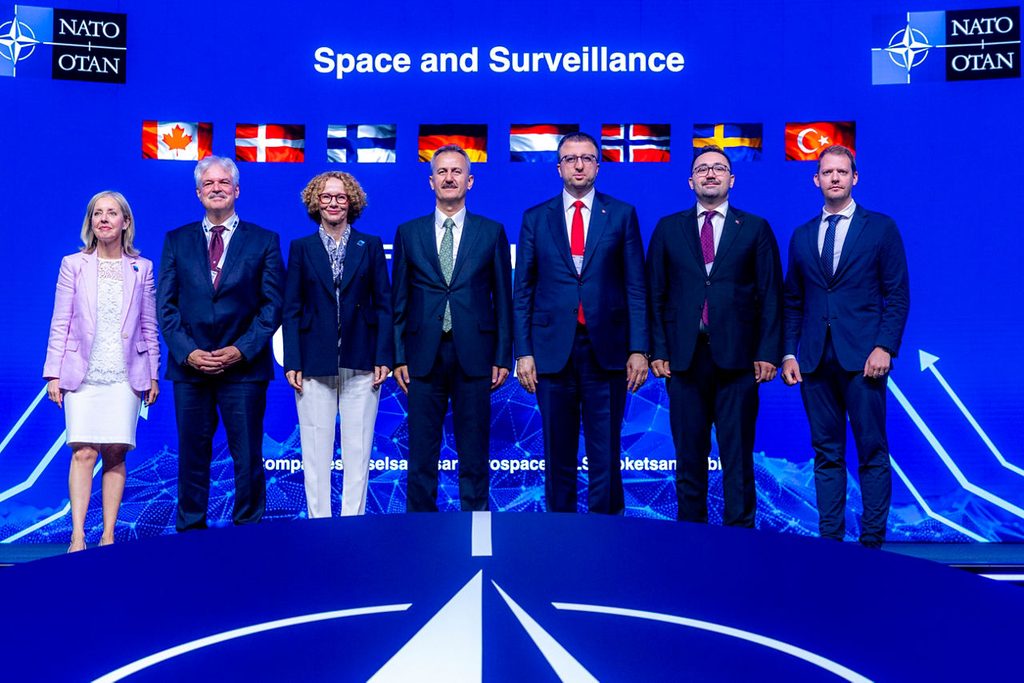
Following NATO’s recognition of space as an operational domain in 2019, and its statement at the 2021 Brussels Summit that attacks in space could fall under Article 5, the integration of national assets in orbit gained momentum. Within this framework, the Hybrid Alliance Layered Operations in Space (HALO) initiative was launched at the NATO Summit Defence Industry Forum in Ankara on 7 July 2026, with the participation of Türkiye, Germany, Canada, Denmark, Finland, the Netherlands, Norway and Sweden. The initiative also fits into the broader defence and security priorities outlined in the Alliance’s 2026 Ankara Summit Declaration. Still at the multinational concept development stage, HALO aims to bring allies’ sovereign military satellites together in a shared network, providing capabilities in high-speed communications, intelligence and missile early warning.
The main strategic advantage HALO is expected to offer is the sharing of a financial and operational burden that no ally could shoulder alone. When each member nation allocates its sovereign satellite capacity or data flow to a common pool, the network is expected to be more resilient to the loss of individual satellites. If a single satellite is jammed or disabled, rerouting the data flow through other allied satellites is intended to preserve continuity in the area of operations.
HALO is not NATO’s only initiative in space; it is one of three prominent initiatives in the Alliance’s layered space strategy. STARLIFT, led by Canada and joined by 15 allies, focuses on rapid access to space and flexible launch capability in a crisis. APSS (Alliance Persistent Surveillance from Space), led by Spain and joined by 19 allies, provides continuous maritime and coastal surveillance through the Atlantic Constellation. HALO positions itself as the network that unites the communications and intelligence layers of these structures.
Türkiye’s Orbital Capabilities and Constellation Vision
While contributing to multinational structures at the allied level, Türkiye is expanding its national space-based defence capacity through public and military projects. The domestically developed IMECE observation satellite with an electro-optical camera, Göktürk-2, developed through cooperation between TÜBİTAK UZAY and TUSAŞ, and the Türksat communications fleet show that the country has an active presence in orbit.
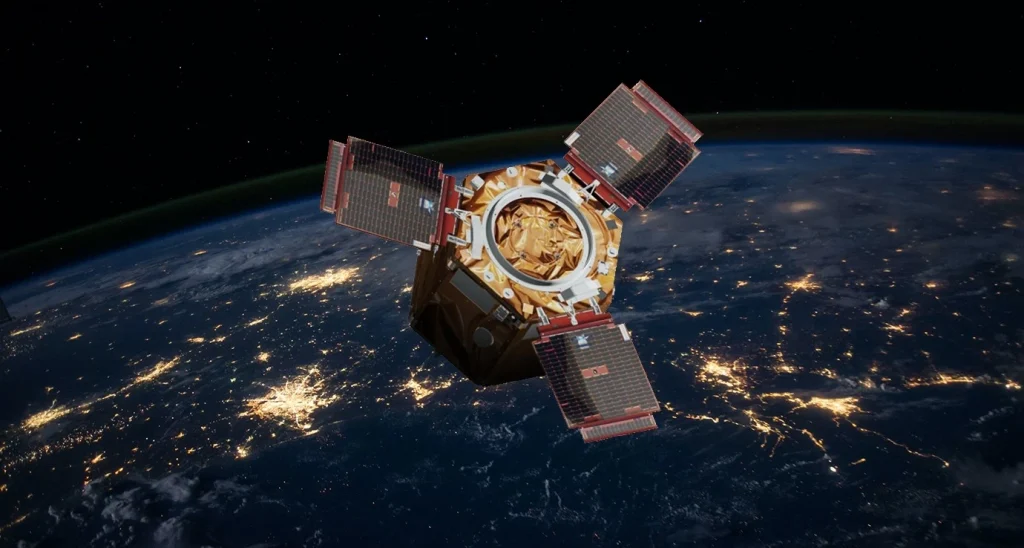
Göktürk-1, whose integration and testing were carried out at TUSAŞ USET facilities, is also part of this inventory. IMECE-2 and IMECE-3, which TÜBİTAK UZAY plans to complete in 2027 and 2028, will be the first step in the transition from individual satellites to a low Earth orbit (LEO) constellation network. If these projects materialise on the targeted timeline, Türkiye could become a partner able to supply high-resolution imagery and data to multinational networks such as HALO.
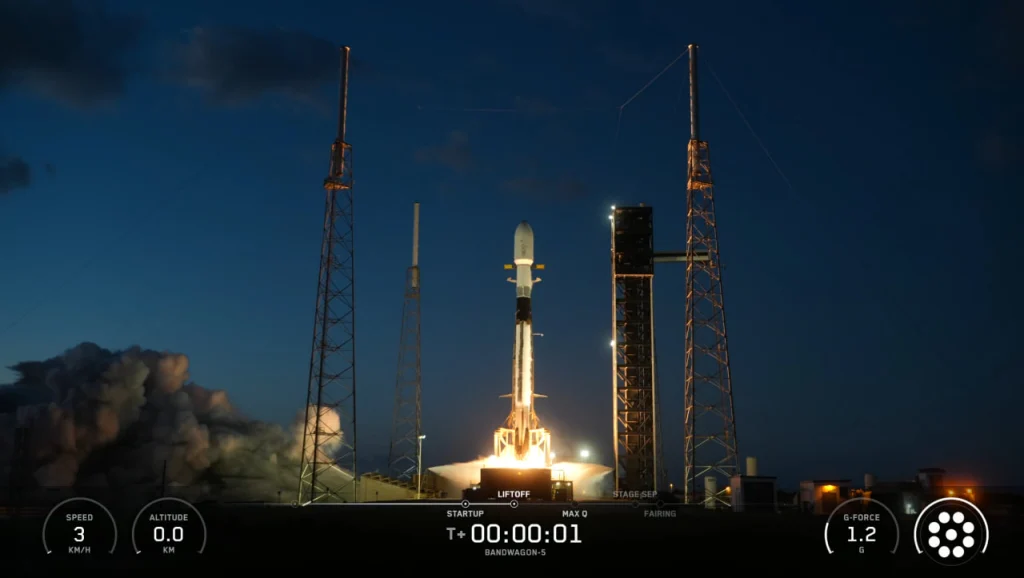
The other pillars of the layered structure are the private sector, access to space and subsystems. FRG-100D4, the sixth demonstration satellite under Fergani Space’s Uluğ Bey Constellation Project, validated domestic avionics and AI-supported infrastructure in the LEO environment. ROKETSAN’s Micro Satellite Launch System (MUFS) and ŞİMŞEK projects are preparing the infrastructure for access to orbit with national means. ASELSAN’s synthetic aperture radar (SAR) and satellite electronic warfare systems, CTech’s SatCom and telemetry modems, and STM’s LAGARİ micro observation satellite complete this framework. The engineering contribution of hundreds of subcontractors and SMEs also supports this chain.
IAC 2026 and the Commitments of the Antalya Declaration
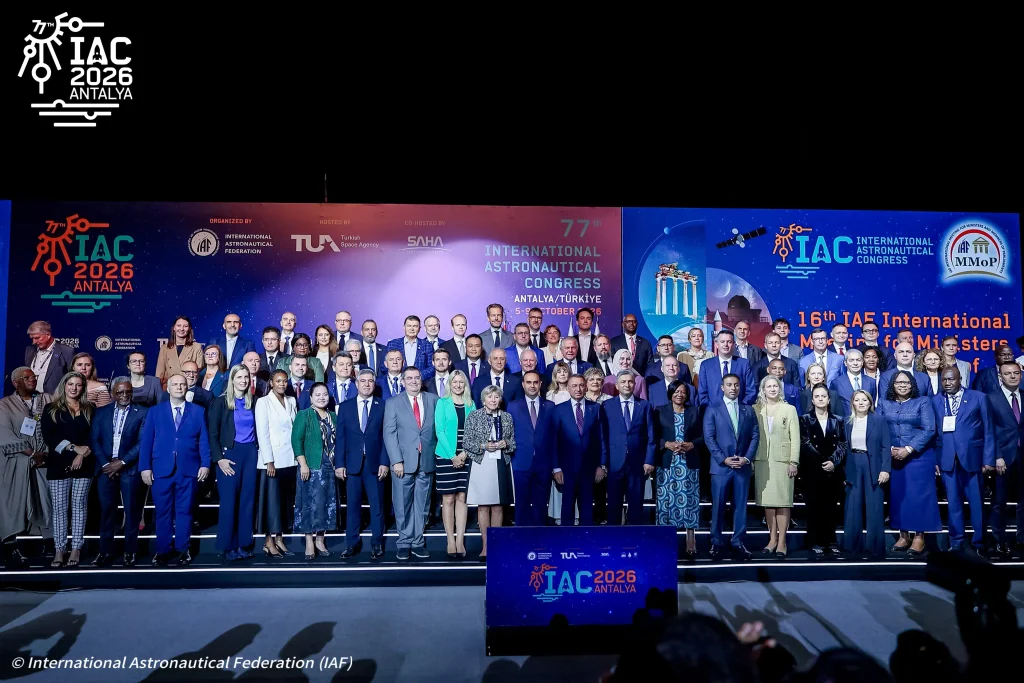
Beyond military orbital structures, the sustainability of the global space order depends on keeping diplomatic channels of dialogue open. The 77th International Astronautical Congress (IAC 2026), held at the Antalya NEST Congress and Exhibition Centre, brought together 7,604 delegates from 111 countries and 18,642 participants in total, putting important issues such as space traffic management and orbital debris on the agenda.
The “Antalya Declaration for Peace in Space”, adopted during the congress and initially signed by 32 ministers and representatives from 21 countries, sets out 10 core principles and commitments in global civil space diplomacy:
- Humanity’s common domain of activity
- Outer space must remain a zone of peace.
- Space activities must serve humanity and the Earth.
- The peaceful and safe use of space is key to the sustainability of space activities.
- Dialogue and cooperation are indispensable elements of space governance.
- Responsibility in orbit is a shared obligation.
- Space research must unite, not divide.
- Equitable and fair access for all.
- The Spirit of Antalya (openness and mutual respect)
- Leadership carries a special responsibility.
Although the Antalya Declaration imposes no military restrictions, it aims to build an international foundation to prevent power-focused competition in orbit from threatening sustainability.
Opportunities and Limits of the HALO Initiative
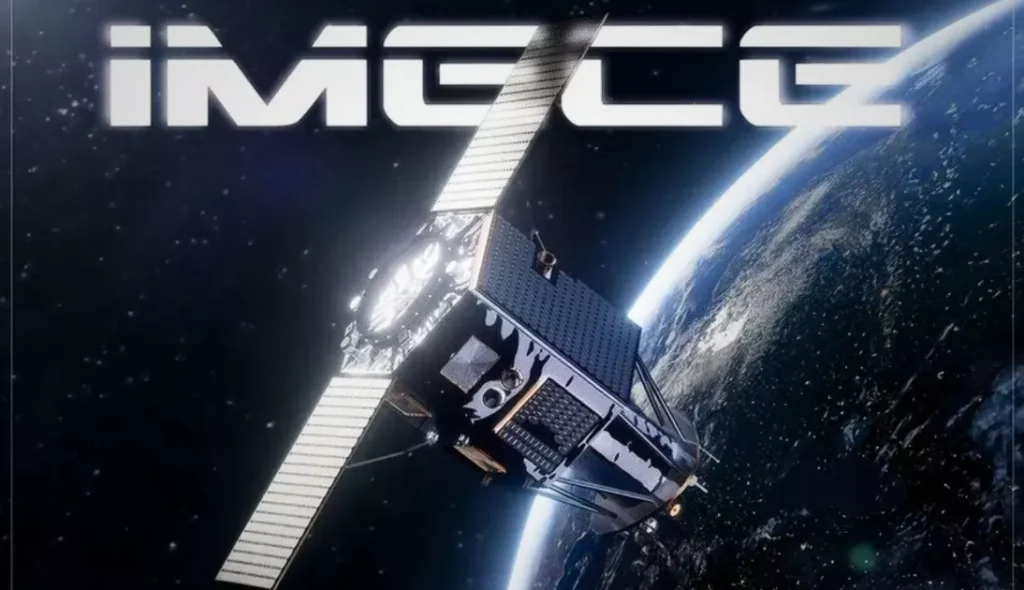
The most tangible benefit HALO is expected to bring Türkiye is the opportunity to share the coverage and cost burden that national satellite investments would struggle to meet alone. However, the value of this opportunity depends on how closely domestic systems such as IMECE-2 and IMECE-3 will comply with the shared network’s technical standards and data-sharing protocols. If compatibility cannot be achieved, Türkiye may remain merely an independent capability holder rather than a partner contributing to the network. The 2027 and 2028 timeline planned for IMECE-2 and IMECE-3 is also important for Türkiye’s ability to have a say while the network takes shape.
The flip side of the shared constellation logic is the question of sovereignty. While bringing national satellites together in a common network creates cost and resilience advantages, questions such as who will hold tasking priority, data and control in a crisis turn into a test of trust and decision-making mechanisms within the Alliance. For the HALO Initiative, success will therefore depend not only on technical integration, but also on how this delicate balance is struck among allies.
The strength of the Antalya Declaration, on the other hand, lies less in its binding force than in the platform for dialogue it creates. The text, which reaffirms the principle of peaceful use, does not prevent the establishment of military satellite networks; much of the communications, navigation and intelligence infrastructure already operates in a setting where civil and military use are intertwined. The real test is whether orbital congestion and debris risk, expected to grow as constellations expand, can be managed through common rules. In this respect, HALO and the Antalya Declaration can be read not as contradictory steps, but as two steps that each expose what the other lacks.
Power in Orbit and the Future of Diplomacy
The HALO Initiative and civil dialogue platforms such as the Antalya Declaration represent two complementary pillars of the evolving global space order. On one side, constellation networks aimed at operational continuity and resilience against jamming are being built; on the other, efforts are under way to strengthen orbital sustainability and the legal framework through diplomacy.
In conclusion, power in orbit is determined not merely by the number of individual satellites held, but by the technical interoperability and reliability of systems and the capacity for international legal cooperation.
This news analysis was originally published in Turkish in the 162nd issue of C4Defence Magazine.
🔍 You may also like
Source: C4Defence