

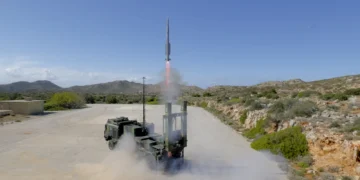
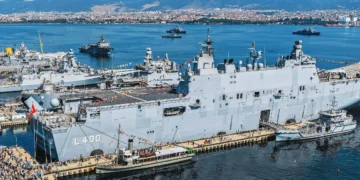
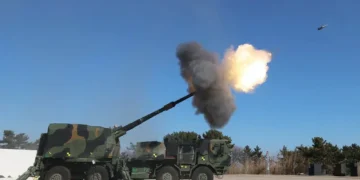







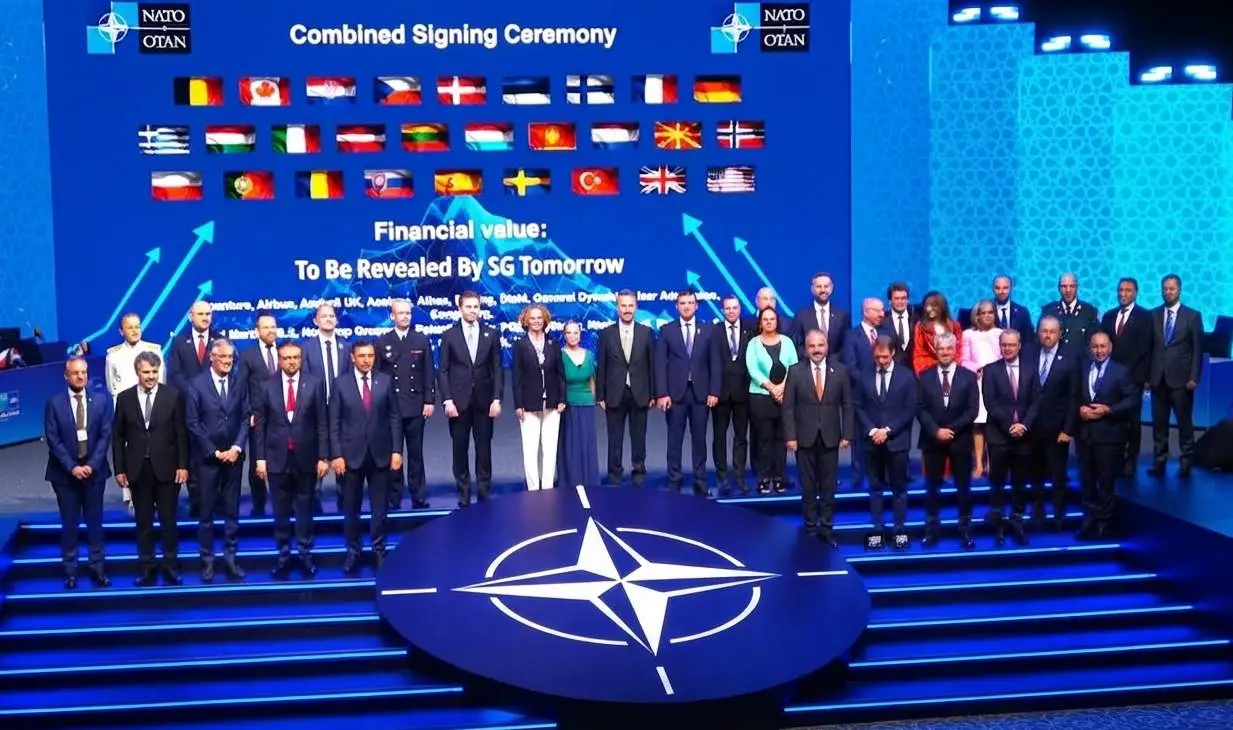
The main progress recorded at the NATO Summit goes beyond what has been reflected in public statements. All the key issues that allies agreed on at ministerial level have been approved. Furthermore, NATO, currently in a transformation process, has now set its new roadmap. Contracts worth over 50 billion dollars were signed, including the 26 billion dollar integrated air and missile defence project involving ASELSAN and ROKETSAN. Moreover, a mechanism has also been established to monitor how defence budgets are converted into actual military capability. The use of the 1.5 percent budget allocation is being determined. In addition, emphasis is placed on building critical infrastructure and protecting existing assets. This item holds a significant place within the overall 5 percent military spending target. The fact that guidance will be provided based on joint requirements set primarily by ACT and ACO is extremely important.

I covered all the details in my article titled “NATO’s Transformation Towards the Ankara Summit” so I won’t go over the same ground again.
A New Era in NATO’s Strategic Share Balance for Türkiye
At various NATO meetings, Türkiye has increased its contribution to NATO’s common operating costs from 4.59 percent in the 2024/25 period to 6.30 percent for the 2026/27 period. This makes it the ally with the highest increase. This rise should be seen as a natural reflection of Türkiye’s expectation to receive greater returns from the NATO budget. Türkiye now ranks seventh among the countries contributing the most to the common budget. Furthermore, significant steps have been taken in line with President Recep Tayyip Erdoğan’s stated approach of “contributing to the Alliance’s capabilities.” This approach emphasises strengthening NATO and a joint operational understanding.
President Erdoğan also requested that a new centre be established in Türkiye, in addition to the 30 NATO Centres of Excellence already in place. Two of these are located in Türkiye, including those for DAT and MARSEC. This facility, planned for countering UAVs and SİHAs, is expected to receive NATO accreditation. Additionally, the centre will provide training against air and naval robotic systems. It will also contribute to the development of new doctrines that will prepare allies for the battlefields of the 2030s and beyond.
A small correction should be made here, apart from national military budgets. Contrary to what Trump has often claimed, Germany and the United States share the top spot equally in contributions to NATO’s annual common operating budget. Each provides 14.9 percent. The United Kingdom and France follow respectively. If you want to take a closer look at this topic, you can check out my article titled “War Preparations Depend on the Defence Industry“
We will continue to share the details of the Summit Declaration as they become clearer in the coming period. You can also find our other assessments on NATO in our previous articles.
Discover Other Analyses by Sami Atalan
Source: C4Defence