














Key Takeaways
- Health conditions in space require dynamics that differ significantly from Earth-based practices.
- ‘In-situ definitive care’ strategies are being developed for emergency health services in space.
- Space medicine introduces new research and solutions for physiological health challenges.
- Even simple medical issues like bleeding can create distinct complications in microgravity.
- Methods such as telemedicine and tele-surgery are gaining increasing importance in space medicine.
“Space imposes an entirely new set of rules. Every reflex we are used to on Earth has to be rebuilt there from scratch… When evacuation is not an option, you have to find ways of treating your wounded or sick where they lie.”
On one side, people struggle to get through daily life with all the burdens of our age. On the other, the brutal, chaotic forces of war, famine, natural events and disasters. And on yet another, the opening up of space.
The fight between life and death never stops. It is a struggle without end, and it simply goes on.
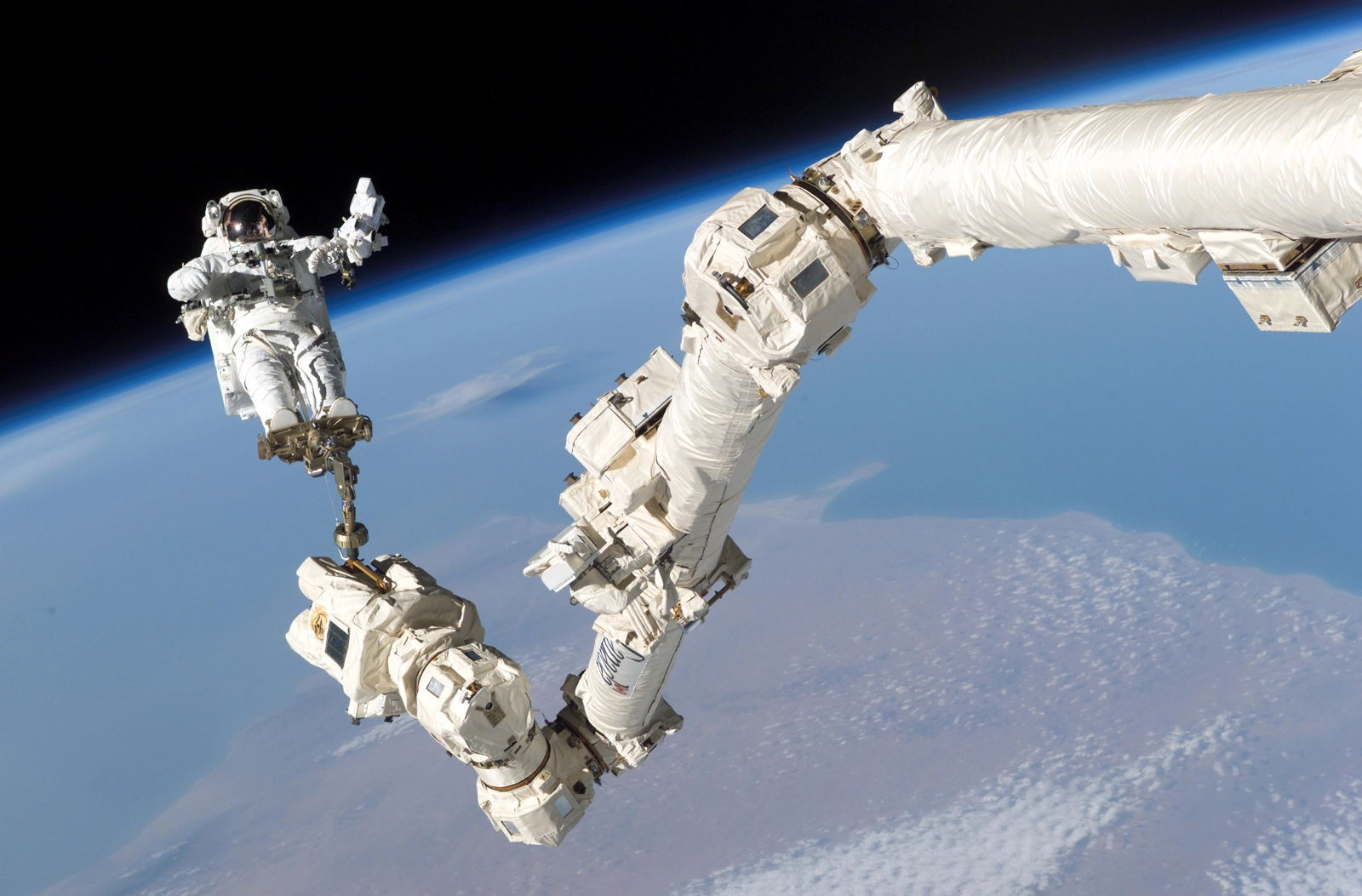
We have not even settled our earthly problems, yet the search for a new life in space already fills our agenda. Some are worried about human health in space: how to protect it, how to diagnose illness there, how to treat it. As though we had solved every health problem on Earth, they ask how the human body and mind can be conditioned to be even stronger in space. And it is not only a matter of a possible war or conflict. Space itself confronts humans with radiation, weightlessness, vision problems, muscle and bone damage and dozens of other challenges, each bringing a completely different physiology into play.
We find ourselves in a new domain where everything has to be rebuilt within a different paradigm. The environment changes in many respects compared with Earth, and strategies for individual and mass casualties often lose their validity in space. When emergency surgery is needed, we have to accept that practices applied directly on Earth, such as resuscitation and bleeding control, must change form. Even in a simple bleed, we now know, blood does not fall but hangs in the air in weightlessness, breaking into tiny clots and droplets that could threaten the breathing of other personnel nearby. That is why research is under way on using haemostatic agents in specially designed environments in space.
Until a permanent settlement is established in space, medical strategies are being developed only for the illnesses and injuries of personnel on temporary assignments. The strategies commonly applied on Earth, such as “Stay & Play”, “Scoop & Run” or “Save+R”, have had to give way to full treatment on the spot. When you cannot evacuate your casualty or patient, you have to look for ways to treat them where they are. That is the policy followed in space medicine today. Over the past 20 years, this principle has driven intensive work on telemedicine and tele-surgery.
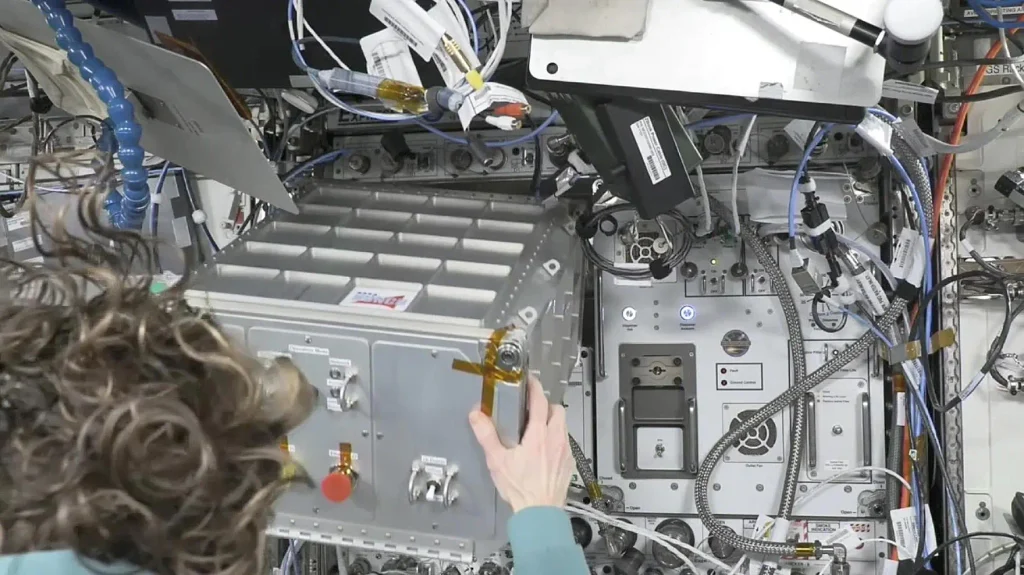
In the past decade, still at the experimental stage, innovative work has continued at pace: placing injured people in space into hypothermia when necessary, slowing the body down with chemical agents, scanning the whole body of a casualty with remotely operated autonomous robots, and assessing the results with artificial intelligence.
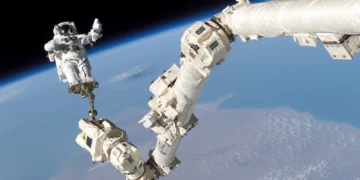
Surgery in space is expected to run into major problems, above all because of weightlessness. Surgeons anticipate serious difficulties both in controlling bleeding and in handling organs during operations. Distance is a major problem too. For an operation on a patient in space, directed from Earth, the ability to move robotic arms in real time degrades as the distance grows.
Surgeons are constantly experimenting with artificial intelligence and autonomous surgical robots. The aim is to give robotic arms virtual reality and sensory touch feedback. Researchers are also working on technologies to protect people from radiation, which will be one of the greatest dangers in space: active magnetic shields, pharmacological radioprotectors and hydrogen-rich materials.
When there are several casualties, deciding whom to treat first in space is a problem in its own right. Equally important as deciding which casualty gets the scarce resources is the question of whether those resources can be taken from the healthy crew to treat the person who is already hurt.
Space imposes an entirely new set of rules. Every reflex we are used to on Earth has to be rebuilt there from scratch… The psychological dynamics of space also affect a person’s entire rhythm. Panic attacks, depression, disorders of thought and behaviour, loneliness and cognitive problems can all follow.
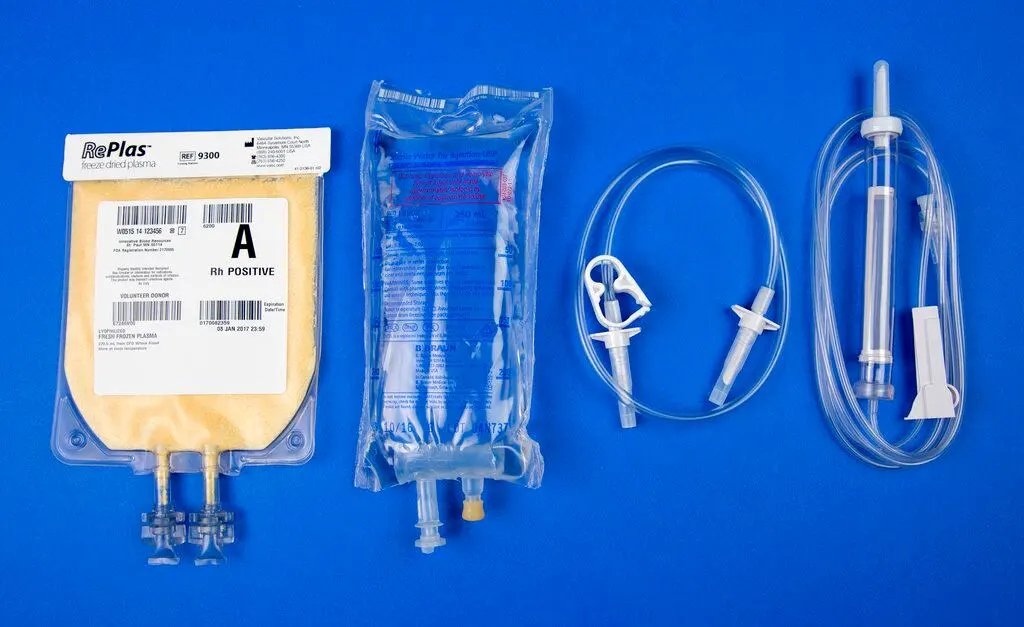
Blood has a far shorter shelf life in space than we would like, and storing it, especially in weightlessness, is very difficult. For this reason, red blood cells are stored in powder form. When needed, sterile water is added to make them ready for transfusion.
Robotic surgery, now widely used in many countries, was in fact a DARPA project designed so that astronauts in space could be operated on by commands sent from Earth.
For artificial blood production and fluid logistics in space, important fields of research include freeze-dried (lyophilised) blood, haemoglobin-based oxygen carriers (HBOCs), which do not require blood group matching, and blood cell production with 3D bioprinters. Countries around the world have already placed haemorrhage control at the top of their military medical research agendas, and it would be one of the most pressing problems for any military unit established in space. For bleeding in space, tourniquets and pressure bandages are preferred. Other options include smart powders and sponges based on chitosan and kaolin, tissue adhesives and negative-pressure wound dressings.
Space combat uniforms work like sensors, recording vital signs as live data. They can track a soldier’s pulse, oxygen level, body temperature and radiation exposure.
Laparoscopy lets a surgeon enter the abdominal cavity through the smallest possible incision, locate the source of bleeding and stop it with a laser or cautery.
* * *
“The charge is on, a charge toward space!
We will conquer space, and its conquest is near!”
* * *
By all appearances, there will be no turning back from this journey.
And it seems that space will be conquered before long…
Note: Artificial intelligence was used in identifying some of the themes on space research covered in this text.
This analysis was originally published in Turkish in [Issue 162] of C4Defence Magazine.