














Key Highlights
- AI-enabled weapon systems are transforming methods of warfare in real time by analysing data and automating weapons.
- The Ateş Serbest 2026 Exercise offered an ideal environment for demonstrating and testing the technological capabilities of the TSK.
- During the exercise, nearly 15 armed unmanned systems developed by the Turkish defence industry hit every kind of target with pinpoint accuracy.
- Attacks by unmanned armed vehicles account for at least 65 per cent of the losses in the Russia-Ukraine War.
- AI-enabled weapon systems are no longer a reality of tomorrow, but of today.
Artificial intelligence is transforming methods of warfare in real time by analysing data and automating weapon systems. Advanced analytics and rapid decision-making mechanisms offer a decisive military advantage. High rates of urbanisation and dense construction will shape the course of future wars and redraw the battlefield. It is no coincidence that the United Nations described AI as a major threat to humanity in its statement of 5 October, though it may be that the world has been late in addressing it.
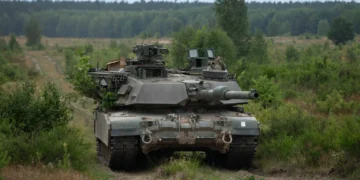
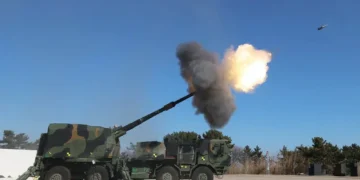
Indeed, the Ateş Serbest 2026 Exercise, conducted by the Turkish Armed Forces (TSK), carried us into the battlefield of the future. In line with classical doctrine, tanks, armoured combat and personnel carrier vehicles, and artillery and rocket systems of various calibres took their places in the field. While commandos and artillery units waited for orders to move, platforms flying at various altitudes, along with UAVs and armed UAVs, began surveilling the battlespace. Nor should we forget the satellites watching the exercise from space.
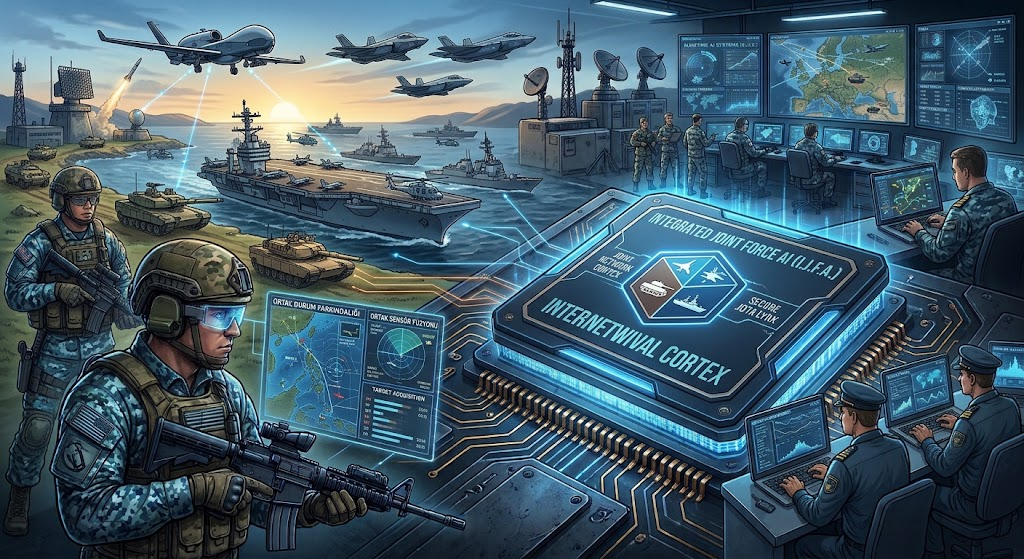
The modern order of battle was thus established. To gain a deep understanding of the terrain and detect enemy elements, the Milket-3A3 electromagnetic area scanner and the Murad-100A 3D radar, along with the airborne Akıncı, Bulut, Kalkan and Antidot 2, began general ISR and SIGINT activity. All the data gathered was fed into an AI-supported command centre and incorporated into planning.
The modern warfare requirements and combat formation described here are complete, and the firepower to penetrate the enemy is in place. Guided munitions and smart drones developed in recent years are being used especially effectively on the battlefield. During the Russia-Ukraine War, unmanned armed vehicles (robotic systems) have been responsible for 65 per cent or more of the losses suffered by both sides.

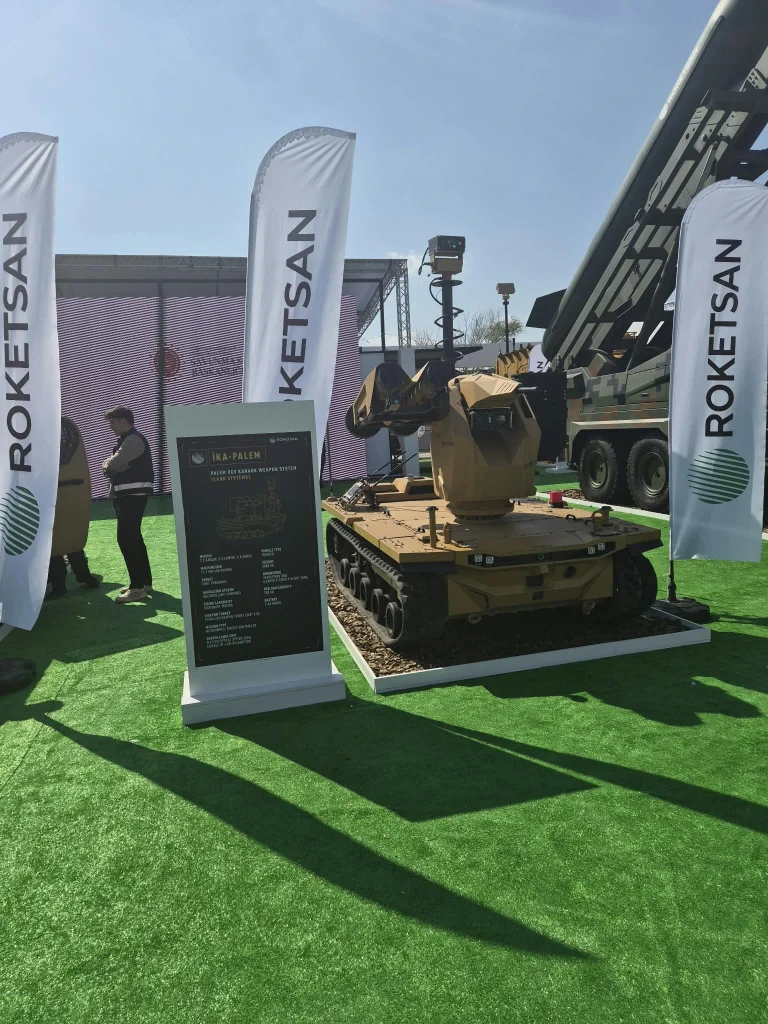
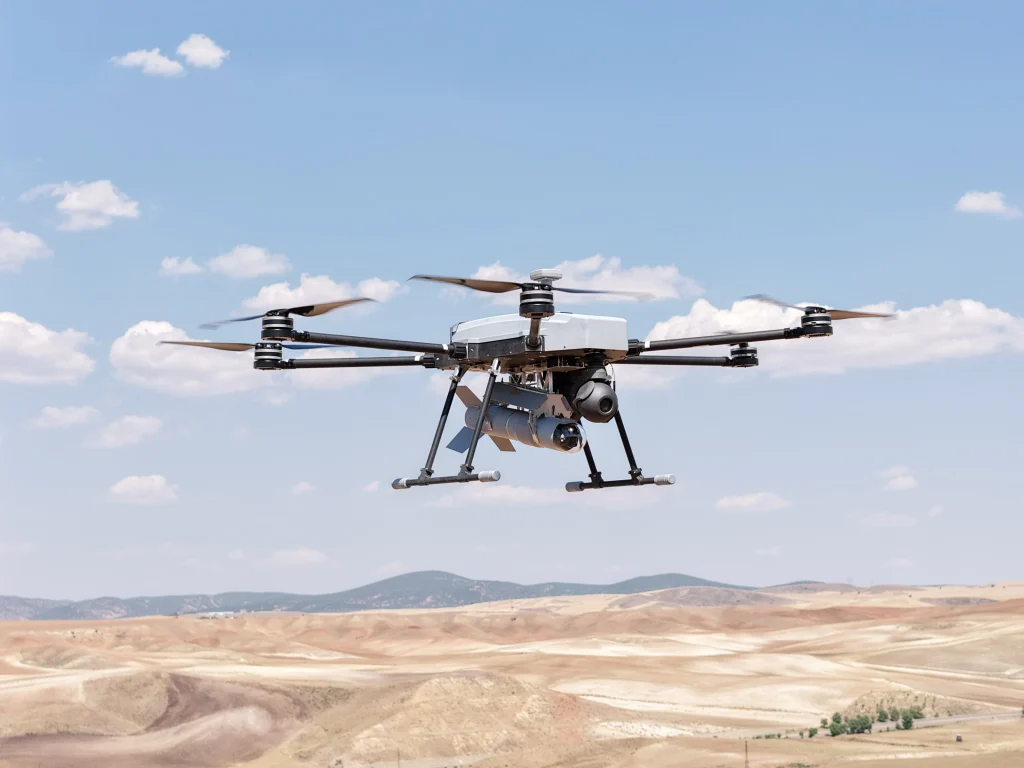
In this context, Ateş Serbest was an ideal environment for demonstrating and testing the technological capabilities the TSK has reached. Nearly 15 armed unmanned systems developed by the Turkish defence industry were used to hit every kind of target with pinpoint accuracy. This ultimately pushed the TSK to develop countermeasures. To protect against similar unmanned weapons that an adversary might use, systems such as Gökberk, Alka, Tolga and Ejderha were employed, along with Milkar 3 and 6 class jamming and electronic warfare capabilities across the battlefield. Many more weapon systems were tested during the exercise beyond the short list we have given here. However, the real point we want to share with you is that the changing battlefield of tomorrow, and AI-supported unmanned weapons, are already a reality today.
Meaningful Human Control
At the centre of international ethical debate, this principle holds that, however advanced or independent a weapon system may be, the final decision at the moment of target selection and trigger pull must always belong to a human being.
The basic reason is that we must remember that AI is made up of algorithms and statistics, in short, mathematical code. Once trained, AI can also evolve into a structure that writes advanced code on its own. Global guidelines and diplomatic processes on how AI will be restricted in international law, ethics and military operations are going through their most critical and heated period as of 2026. On this subject, I recommend reading Prof. Dr. Mesut Hakkı Çaşın’s work International Law of Artificial Intelligence and Robotics (Uluslararası Yapay Zekâ ve Robotik Hukuku).
This is precisely where the moral red line comes in. It holds that if a person’s right to life is to be taken away, behind that act must stand not a mathematical code but a human being’s conscience, soul and dignity. A human must therefore not remain merely a figure who presses the “approve” button. They must have enough time and situational awareness to question the identification and accuracy of a target selected by AI. We call this approach “Human-in-the-Loop”.
Principles prepared on the basis of the Geneva Conventions clearly state that the military use of AI cannot violate the fundamental legal principles of “Military Necessity, Distinction and Proportionality”. The report prepared by the UN Geneva group in September 2026 marks an important turning point on this subject. For the first time, the report defined by consensus as an autonomous weapon system a situation in which “one or more weapons and technological components, working together, detect, select and attack targets in a way that causes loss of life without human intervention”.
In short, the framework of what we are debating has now become clear. African and South American countries want weapons of this class banned, while countries that believe military requirements will find a place on the battlefield under all conditions prefer flexibility, with an appropriate level of human judgement that varies according to the operational situation.
Lethal Autonomous Weapons Systems (LAWS)
Global work in this area is progressing rapidly. Let us look at where some of the key countries making progress in this field stand in 2026. Vehicles developed under initial unarmed programmes are later armed according to capabilities such as weight, range and speed.
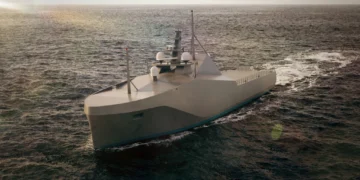
This technological spectrum includes Unmanned Aerial Vehicles (UAVs), Unmanned Surface Vessels (USVs), Unmanned Underwater Vehicles (UUVs), Unmanned Ground Vehicles (UGVs), Autonomous UAVs and Swarm Technologies (Drones), Humanoid Combat Robots (Humanoids), and Robot Dogs and Four-Legged Robots (Quadrupeds). AI-enabled command centres (C2 AI, C3 AI, C4 ISR AI) and micro-robotic systems such as medical or assassination weapons fall into a separate category.
One of the advantages AI provides is that it can analyse a target and make a decision within milliseconds, a span too short for the human brain to process. Sending robots instead of soldiers to dangerous front lines allows armies to minimise personnel losses.
Autonomous systems can also continue their missions independently even when the data link to the command centre (radio or satellite signal) is cut. New applications such as AI-Supported Combat Towers, Advanced Air Defence Shields and Autonomous Border Robots are being added to this field every month.
Indeed, the Russia-Ukraine War, which plays an important role in the development of tomorrow’s weapon systems, is known as the “AI Testing Ground” in the field.
Ukraine: It has become critically dependent on AI to make up for a shortage of troops. Against Russia’s intensive electronic warfare tactics, Ukraine first deployed “last metre” autonomous navigation algorithms in its naval systems. Thanks to AI-supported image processing, hunter drones can strike a target autonomously, without pilot intervention, even if the signal link is lost in the final 20 metres. In addition, millions of hours of drone combat footage are being converted into mathematical data to train AI models and build autonomous drone swarms.
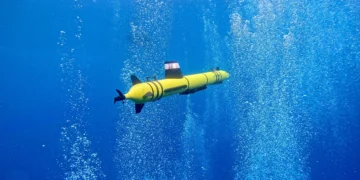
Russia: It uses AI particularly in the target recognition and autonomous lock-on stages of its Lancet kamikaze drones. In the international diplomatic arena, it opposes banning AI-supported weapons. A nuclear-capable robotic underwater vehicle (unmanned submarine), fully equipped with AI and autonomous navigation systems, is one of the most extreme examples of this technology at sea.
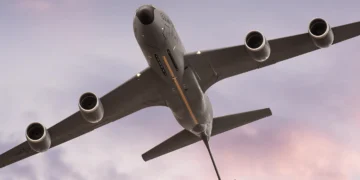
USA: America’s future projects aim to break China’s numerical superiority by producing thousands of very cheap autonomous drones and naval vessels under the Replicator programme. Work is also under way on autonomous jets (CCA, Collaborative Combat Aircraft) to accompany aircraft such as the F-35. It is impossible to list everything I witnessed when I visited Washington in October; there are projects suited to every purpose, including an air platform providing aerial refuelling, autonomous combat aircraft and helicopters, autonomous warships, and ground “troops”.
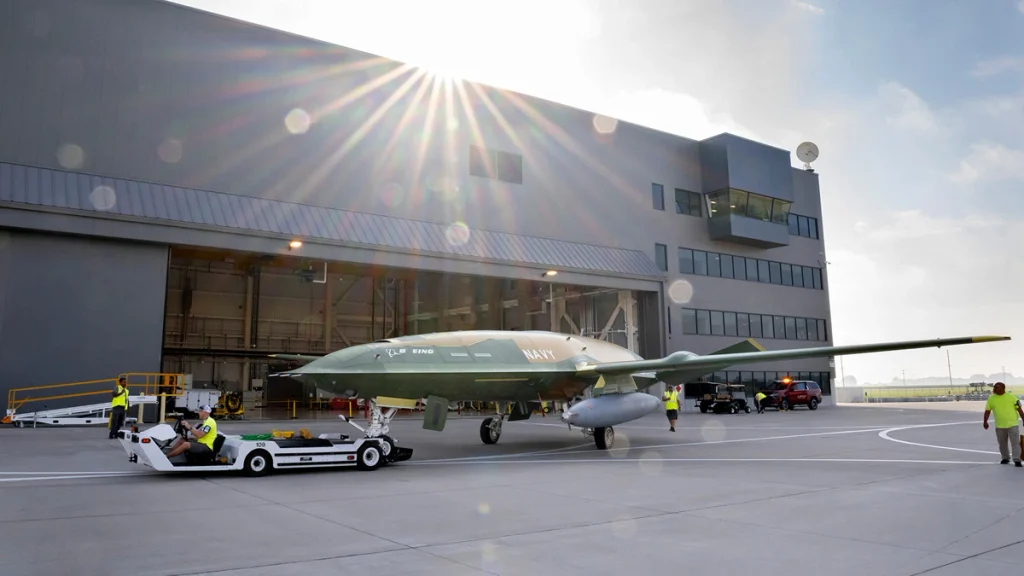
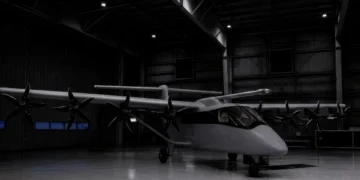
United Kingdom: Britain is working on protocols for radar-protected autonomous stealth unmanned combat aircraft and is testing autonomous weapon platforms capable of vertical take-off. Like Europe in general, with limited R&D efforts, it waits for an environment to form around which US military projects it will join and in what direction.
Germany and France: They are the strongest advocates of this policy in the Geneva talks at the United Nations. They want autonomous weapons that cannot comply with international humanitarian law (completely unpredictable ones) to be banned, and other weapons with autonomous functions to be tightly regulated so that they always remain under “human control”. As part of the new-generation fighter programme, they are working on autonomous unmanned jets to accompany manned aircraft. In reality, they are content to follow developments from a distance; the idea that “the technology exists, we will apply it when necessary” makes them passive. Work on a “Pilotless Escort platform” for aircraft continues.
Italy: It focuses on integration with NATO in the military use of AI. While enacting national laws that complement the European Union’s AI Act (EU AI Act) in domestic law, it is trying to develop auditable algorithms in its defence doctrine so that autonomous systems can distinguish civilians from military targets.
Spain: While developing LAWS technology, the Spanish Council of Ministers prefers to remain bound by the European Union’s strict ethical rules. The law adopted in May 2026 is fully aligned with the EU AI Act and makes a human-centred, trustworthy AI framework mandatory. Within its military work, Spain keeps its distance from developing fully autonomous weapons outside human control (unpredictable LAWS). At the same time, within NATO projects, it is developing semi-autonomous defence algorithms under human supervision and autonomous surveillance UAVs for border security.
South Korea: Because of the North Korean threat and the manpower shortage caused by a shrinking young population, it is one of the earliest investors in autonomous weapons in the world. Alongside smart surveillance towers capable of autonomous target detection on border lines (SGR-A1), the South Korean military is allocating large budgets to AI-controlled autonomous ground vehicles and autonomous submarine projects. Advanced technology work is also under way on “escort” combat platforms that will operate alongside manned fighter aircraft in a shared network environment.
North Korea: To overcome heavy embargoes and technological restrictions, it places great weight on AI-supported and autonomous systems as asymmetric warfare elements. The country is testing Haeil, a series of AI-based autonomously navigated, nuclear-capable underwater drones and torpedoes (Autonomous Nuclear Unmanned Submarine). These vehicles are designed to travel underwater for days without human intervention and to create a radioactive tsunami in enemy harbours. North Korea is also converting civilian technologies of Russian and Chinese origin into military systems through reverse engineering, and developing kamikaze drones that can infiltrate the South Korean border and keep their autonomous course under electronic warfare conditions.
Taiwan: It has adopted the Porcupine Strategy, which aims to close its quantitative (numerical) gap against a possible Chinese invasion with qualitative technology. The Chien Hsiang anti-radar kamikaze drone developed by Taiwan falls into the autonomous loitering munition class. This vehicle can autonomously track the electromagnetic waves emitted by amphibious landing ships and radar positions coming from mainland China and strike them without human intervention. Focusing primarily on AI-supported naval defence, Taiwan is working on autonomous surface vessels equipped with AI sensors, sea mines known as Smart Mines, and smart coastal defence towers to defend the Taiwan Strait. Development work on ground and underwater vehicles also continues. In this process, the Porcupine Strategy stands out as a strategic priority. AI is known to feature in its air defence concept, but work in this area is carried out under great secrecy.
Singapore: Because of its small land area, advanced AI capacity, limited population and shortage of military personnel, it is largely building its defence strategy on “unmanning”. The Singapore Armed Forces, which have one of the most advanced digital militaries in the world, have established a fourth service command directly responsible for integrating military AI, cyber warfare and autonomous systems. Among its autonomous warships, Maritime Security Unmanned Surface Vessels (USVs) with fully autonomous navigation and hazard-detection algorithms are in active patrol service on some of the world’s most critical trade routes, such as the Strait of Malacca. Work on underwater vehicles and mines began only recently.
Japan: In line with regional security concerns in the Pacific, it is developing defence-oriented autonomous systems. While modernising air defence systems such as Phalanx on its warships with AI, it is designing autonomous underwater vehicles (AUVs) and unmanned aerial vehicles, particularly for inter-island logistics and reconnaissance missions.
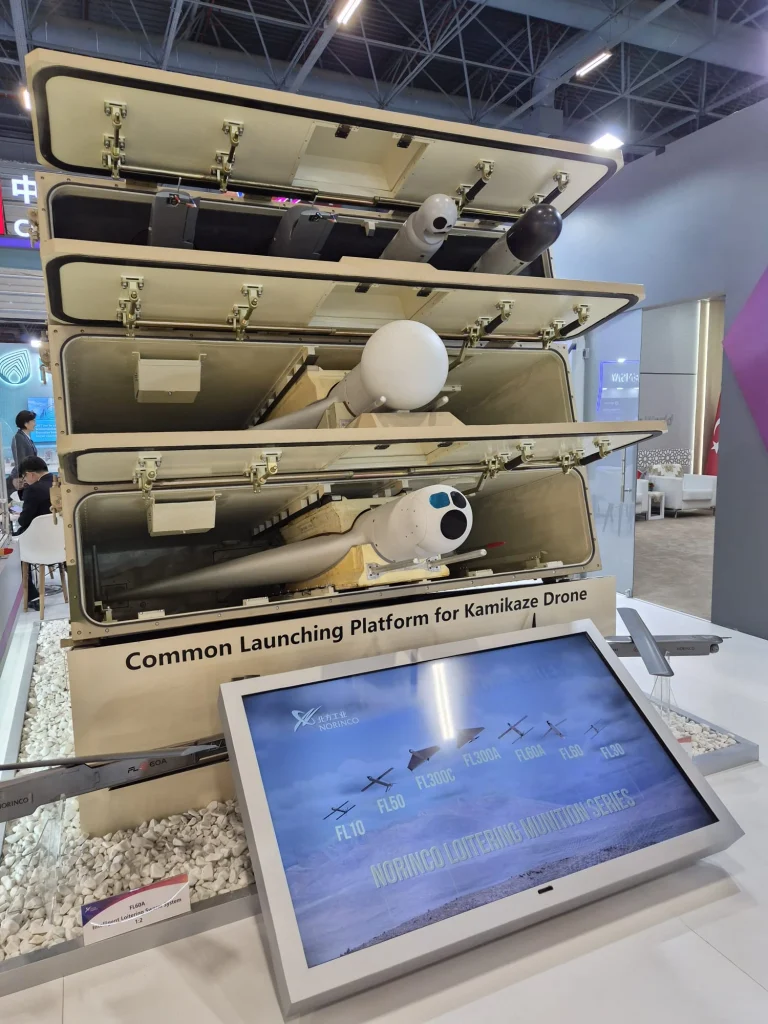
China: It sees AI as a military revolution and is in a race with the USA for global leadership in autonomous technologies. Aiming to become an AI superpower, China is working intensively on “Autonomous Drone Swarms” technology, which allows thousands of drones to move together simultaneously without central command. At the same time, it is developing humanoid combat robots (prototypes such as Titan) and autonomous surface and underwater combat vehicles. Work on kamikaze drones and new-generation ballistic missile systems is also proceeding at full speed. Although it tactically states in the diplomatic arena that it is “against the use of fully autonomous weapons”, it leaves no door open to binding agreements that would restrict the production and development of these weapons. It is also known to be working on aerial vehicles, but activities in this area are carried out under great secrecy.
India: It sees military autonomy as a vital necessity against multi-directional threats on both the Chinese and Pakistani borders. In October 2026, it announced a new Land Warfare Doctrine that reorganises the army’s AI, drone swarm, cyber warfare and electronic warfare capabilities. India keeps its distance from a binding global ban agreement in the UN LAWS talks in Geneva. So as not to block new technologies, it argues that existing International Humanitarian Law rules are sufficient. However, it aims to establish a sovereign and independent testing centre so that it does not remain dependent on foreign “black-box” AI software whose operational logic the army cannot decipher.
Pakistan: To respond to the new military doctrine and technological moves of its long-standing rival India, it maintains a very close military AI partnership, especially with China. It integrates the AI infrastructure it procures from China into its own domestically developed Şahpar drone family, together with swarm technologies. It also develops autonomous drone swarms and AI-supported electronic warfare pods to deceive air defence systems.
Iran: Although geographically located in the Middle East, Iran directly influences Asian geopolitics (especially the Russia-China axis) and represents “cheap but deadly” autonomy in LAWS technology. Loitering munitions such as the Shahed series and the Shahed-136, which Russia has also used extensively in the Ukraine war, can fly thousands of kilometres autonomously and strike their targets without human command, relying on civilian GPS signals or pre-loaded maps after launch. Although its AI capabilities are primitive compared with Western systems, its autonomous flight algorithms, which are resistant to electronic warfare, are quite effective.
Israel: The Harpy and Harop UAVs are among the world’s best-known fully autonomous weapons, diving as kamikazes straight at a target when they detect radar signals, without waiting for a human command. Israel also actively uses AI-based data analysis and target identification systems in its Gaza and Lebanon operations. It is the leader in LAWS integration in the region. The AI-based Gospel (Habsora) and Lavender data processing systems can analyse field intelligence and identify thousands of targets within seconds. Although the final trigger appears to remain under human supervision, the speed at which AI identifies targets has reached a level that sidelines human judgement. Interestingly, joint smart munition, C4 ISR and SIGINT work with India and China is among its priorities, and on the other hand it shares the same view as the US government.
UAE and Saudi Arabia: Conflicts in the region see intensive attacks by autonomous munitions. In certain periods of 2026 alone, thousands of drone and missile attacks were launched against the Gulf region, forcing the UAE and Saudi Arabia to make massive investments in AI-enabled autonomous air defence systems (C-RAM, Iron Dome derivatives and smart interceptors). The UAE is rapidly expanding AI-focused defence companies such as EDGE Group, which produces autonomous UAVs and UGVs in-house.
Greece: Undergoing a radical transformation in its defence industry, Greece is in the midst of a major digital and robotic reform of its military in the name of security, citing the geopolitical balance in the Aegean and Eastern Mediterranean as justification. The Greek Ministry of Defence has established a new command and a special “unmanned systems brigade” within the army, logistics units for unmanned ground vehicles (UGVs), and bases for unmanned submarines and autonomous surface vessels in the navy.
Within the scope of LAWS work, the RF49D Unmanned Surface Vessel, equipped with AI and autonomous navigation software developed entirely in Greece, was successfully tested during the Dourios Ippos military exercise in June 2026. Work also continues on the Iperion and Telemachus autonomous anti-drone systems, which protect against drone swarms, and on the domestic Archytas UAV project.
Türkiye: Placing importance on the balanced use of military power and human control, Türkiye is one of the fastest-advancing countries in the world, with advanced technology in autonomous and semi-autonomous systems.
Despite its leadership in unmanned systems and its technological superiority on the international stage, Türkiye also tries to build the legal infrastructure at the same time. The AI-integrated Kargu rotary-wing kamikaze drone, the Alpagu fixed-wing loitering munition system, the Süper ŞİMŞEK kamikaze strike system, the Tufan, Sancar, TENGİZ and ULAQ Unmanned Surface Vessels serving at sea, and the KIZILELMA unmanned combat aircraft are the pioneers of the Turkish defence industry in the autonomous field. Work on AI-supported swarm flight capabilities and image-guided steering continues as a particular priority.
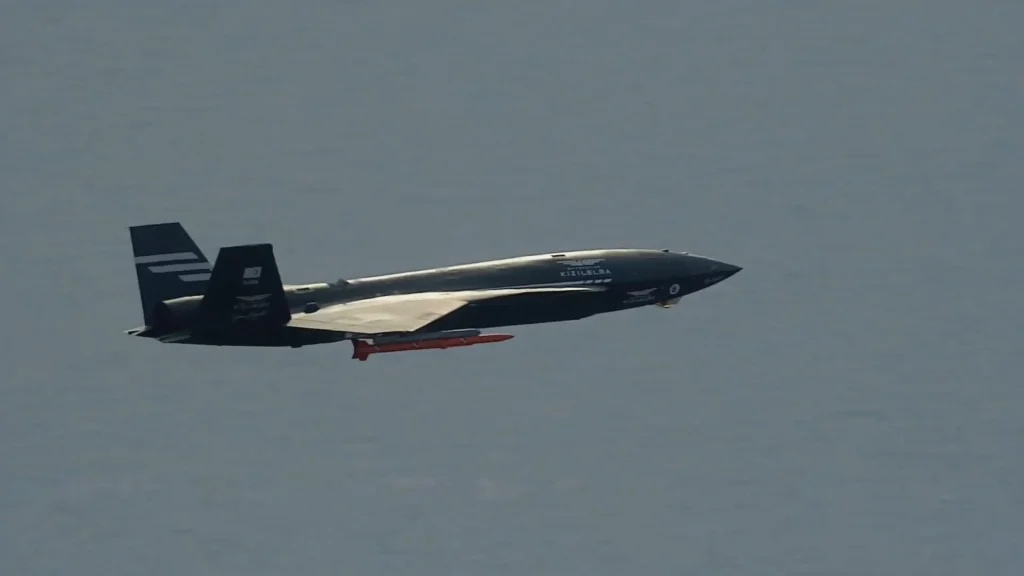
It is impossible to list everything, but in order to oversee the rapidly developing industrial dynamics, the Turkish Standards Institute (TSE) has accelerated work in 2026 to align with the international ISO/IEC 42001 standards for the certification of military AI and autonomous systems. Incorporating “human control” principles into legislation is under discussion, to prevent friendly fire or erroneous autonomous decisions.
Meanwhile, products that use AI in weapon systems developed against LAWS will be the subject of another article. The prominent countermeasures in this respect target the weakest points of AI and robotic systems: sensors, communication networks and software algorithms. Defeating a machine requires very different strategies from defeating a soldier.
Indeed, as can be seen, military AI technologies are the stage for a multipolar and aggressive race on a global scale. Urgent needs in the field and geopolitical rivalry directly shape countries’ approaches.
This article was originally published in Turkish in the 162ns issue of C4Defence Magazine.
Discover Other Analyses by Sami Atalan
Source: C4Defence