





























ADART uses AI in helicopter maintenance to identify anomalies in HUMS data before conventional alerts are triggered, helping engineers detect potential technical issues at an earlier stage.
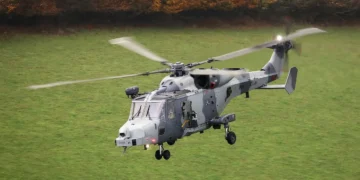
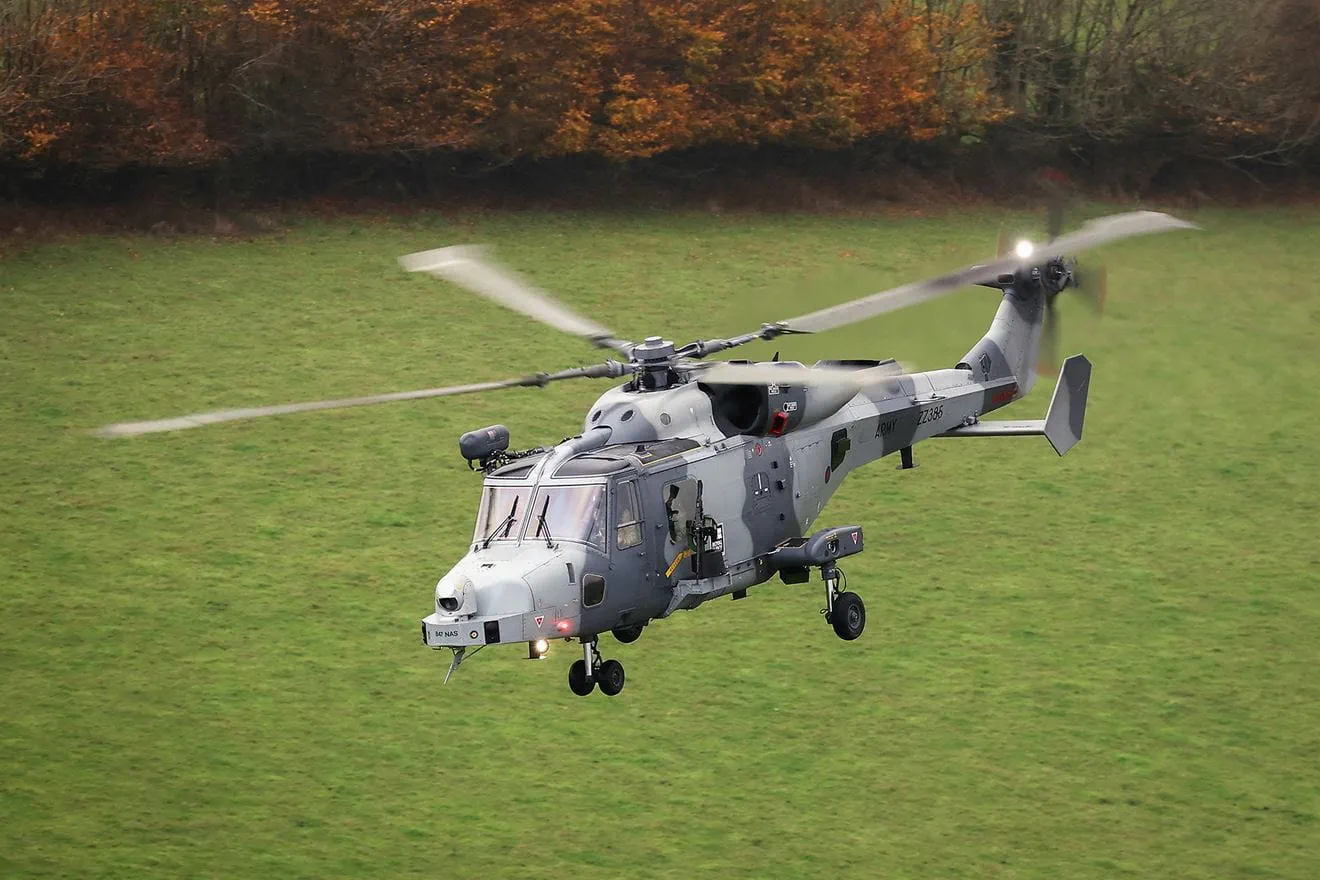
The Royal Navy is developing the Aircraft Data Analysis and Readiness Tool (ADART) to incorporate artificial intelligence into helicopter maintenance. The initiative, undertaken in collaboration between 1710 Naval Air Squadron (1710 NAS) and Tonic Analytics, aims to support engineers monitoring the technical condition of Wildcat and Merlin helicopters.
Capable of detecting unusual behaviour and emerging trends in aircraft data through artificial intelligence, machine learning and engineering analysis, the system was designed by Tonic Analytics and adapted with input from Portsmouth-based 1710 Naval Air Squadron. Rather than making maintenance decisions directly, ADART serves as a decision-support tool, helping engineers identify aircraft, systems and components requiring further investigation.
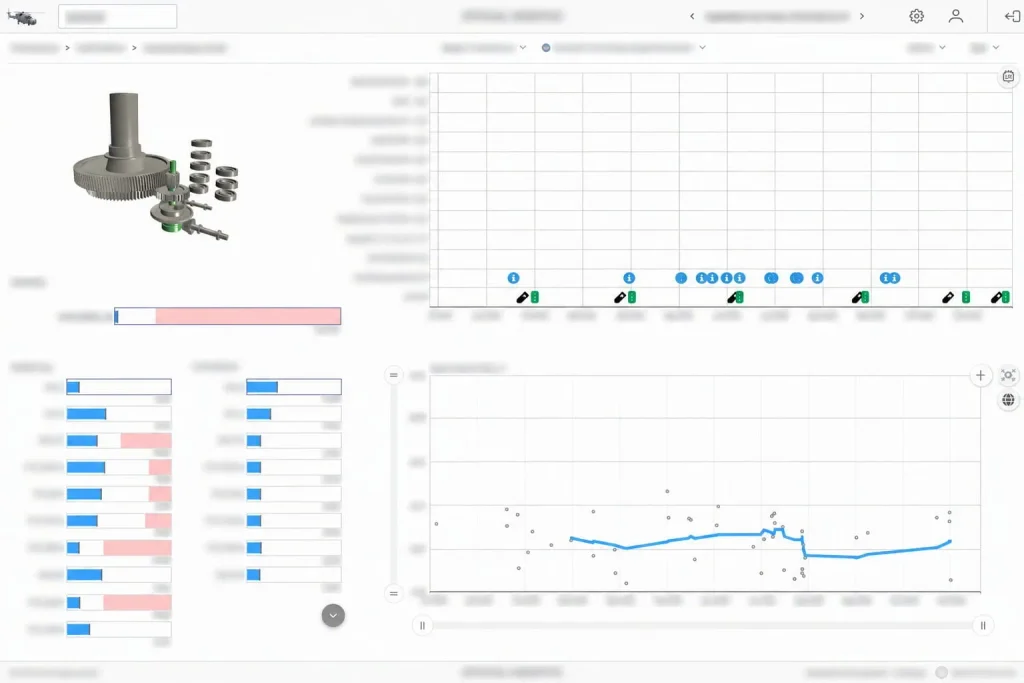
Capable of detecting unusual changes in aircraft before conventional threshold-based alerts are triggered, ADART uses data from the Health and Usage Monitoring System (HUMS). This enables engineers to focus on findings that may indicate potential technical issues rather than manually reviewing large volumes of data.
Chief Petty Officer Shane Wild, Wildcat Vibration Analyst at 1710 Naval Air Squadron, stated that ADART demonstrated the potential benefits of artificial intelligence in aircraft engineering by identifying emerging trends and anomalies in large volumes of HUMS data. Wild noted that the system provided engineers with additional data to help assess the technical condition of aircraft. He added that the system helped identify potential issues at an early stage and supported engineers in making more informed maintenance decisions.
ADART’s Development and Implementation
Following the initial contract approval in October 2022, ADART’s development roadmap was established in March 2023. During testing and development activities conducted in collaboration with Tonic Analytics, 1710 Naval Air Squadron incorporated user feedback. Accordingly, extensive software modifications were implemented in mid-2025 to better align the application with engineering requirements.
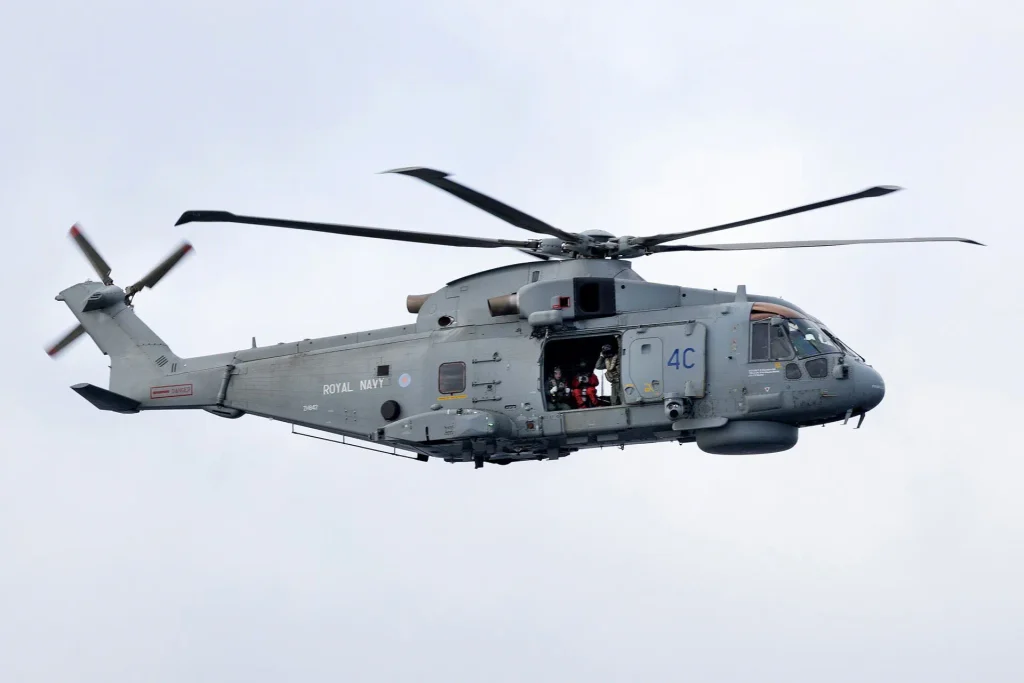
ADART entered active use with 1710 Naval Air Squadron in 2026 and was also made available to the Wildcat Vibration Control Unit at RNAS Yeovilton for further user evaluation. Development of the system remains ongoing, with another major software update planned.
Analysis of Wildcat Data
A retrospective analysis of data relating to a previous incident involving a Wildcat helicopter identified unusual behaviour preceding the incident. The findings, confirmed through subsequent analyses, demonstrated that ADART could help identify emerging technical issues at an earlier stage. However, the system does not directly diagnose faults or determine the maintenance actions to be performed. Assessments and decisions remain the responsibility of authorised personnel in accordance with approved maintenance and technical procedures.
As part of ADART’s ongoing development, the addition of advisory alerts to facilitate the detection of wiring and accelerometer faults is planned. Further objectives include the full integration of Merlin helicopter data into the system and reducing data latency to enable operation closer to real time alongside existing HUMS analysis. These enhancements aim to enable Fleet Air Arm engineers to make more effective use of aircraft data and direct specialist investigations towards priority areas.
🔍 You may also like
Source: C4Defence –Royal Navy