


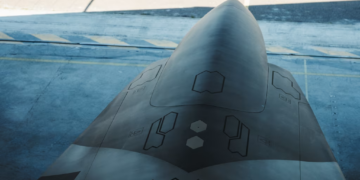












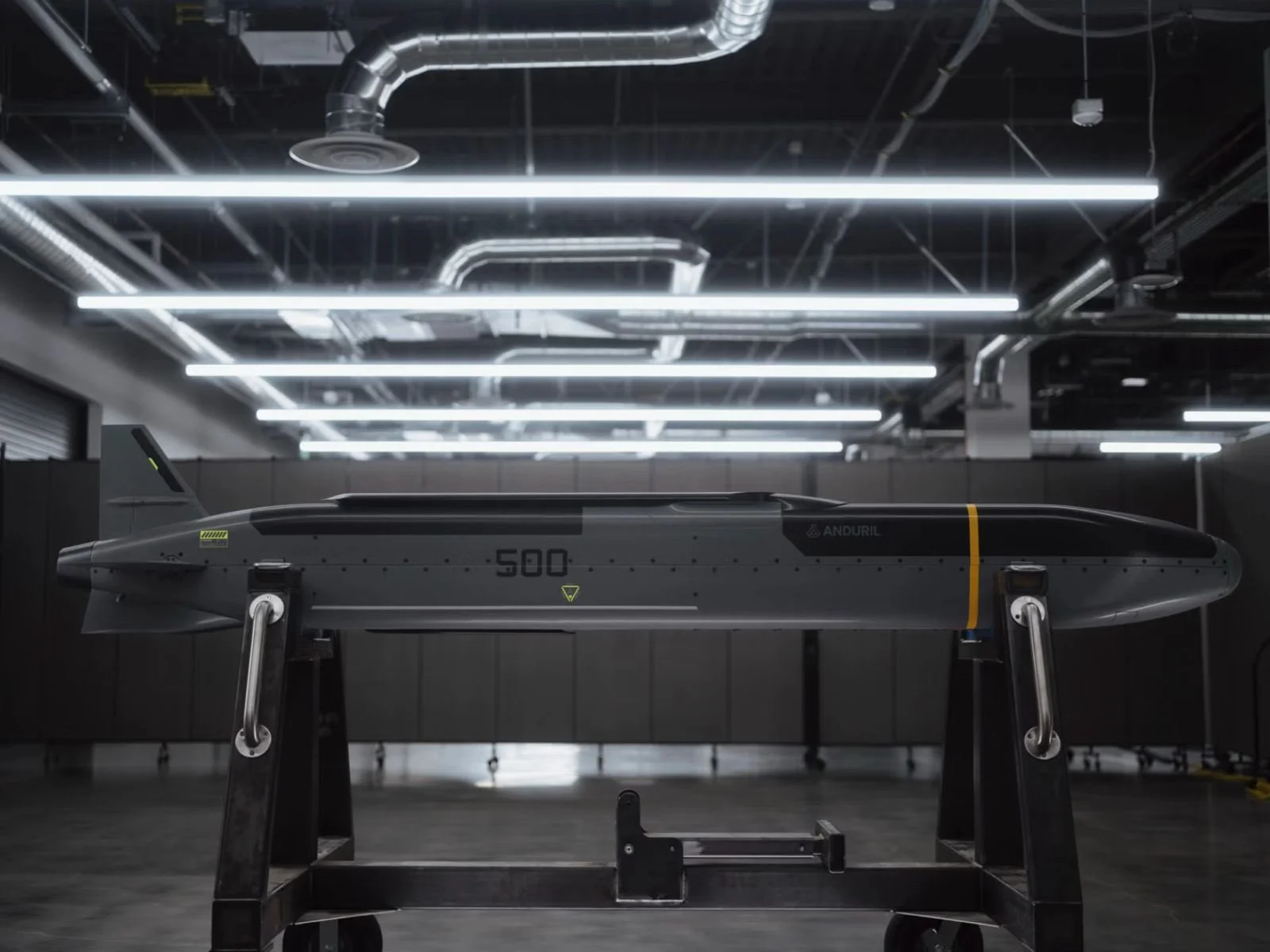
Poland is establishing a high-capacity serial production line in Bydgoszcz for the Barracuda-500M autonomous cruise missiles, which have a range of over 900 kilometres – a first of its kind in Europe. This partnership, backed by Anduril Industries’ advanced software infrastructure, is set to completely shift the technological balance in the region.

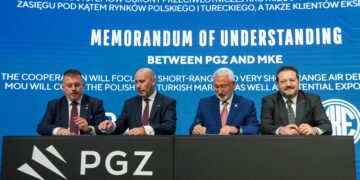
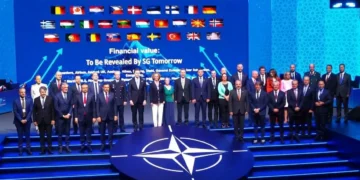
The signing ceremony, attended by Polish Prime Minister Donald Tusk, Deputy Prime Minister and Defence Minister Władysław Kosiniak‑Kamysz, and Deputy Defence Ministers Magdalena Sobkowiak‑Czarnecka and Cezary Tomczyk, marked the signing of a cooperation agreement between PGZ, Wojskowe Zakłady Lotnicze Nr. 2 (WZL‑2), and Anduril Industries to develop low‑cost cruise missile production capabilities in Poland. The agreement was signed on behalf of PGZ by President Adam Leszkiewicz and Vice President Piotr Zawieja.

Europe’s First High‑Capacity Serial Production Line
Under the agreement, the WZL‑2 facilities in Bydgoszcz will initially carry out assembly of the Barracuda‑500M autonomous cruise missiles, followed by full‑scale production. The infrastructure being established is set to become one of the first high‑capacity serial production lines in Europe specifically designed for next‑generation low‑cost cruise missiles. PGZ and Anduril Industries ultimately plan to produce several thousand Barracuda‑500M systems per year.
Barracuda-500M System Technical Specifications

Under the agreement, assembly, production, and maintenance activities for the Barracuda‑500M will be carried out at PGZ companies, offering a proven solution for allied nations’ munitions needs. With its range exceeding 900 kilometres, the system delivers deep operational flexibility and strategic deterrence. Its low‑observable (stealth) features, designed to penetrate enemy air defences, are supported by a modern geometric structure that minimises radar cross‑section. The munition also features a modular design architecture open to different payload and warhead integrations, and offers multi‑platform compatibility with the ability to be launched from both ground‑based launchers and various air platforms. Alongside all these advanced capabilities, its structural design is optimised for low‑cost serial production, directly paving the way for asymmetric and high‑volume production logistics. Going forward, the parties will also work on adapting the system to Polish requirements based on Anduril Industries’ software infrastructure and developing it to European standards.
🔍 Related News: Poland’s F‑35 Husarz Inventory and Air Force Modernisation
“The Era of Only Buying Off‑the‑Shelf Solutions Is Over”
Speaking at the signing ceremony, Polish Prime Minister Donald Tusk noted that the project, launched at the WZL‑2 facilities in Bydgoszcz, demonstrates the strategic readiness of Poland‑US cooperation and NATO partnership.
Deputy Prime Minister and Defence Minister Władysław Kosiniak‑Kamysz commented: “With this major Poland‑US agreement, we are investing in the most modern long‑range cruise missile technologies, capable of reaching over 900 kilometres. This is strategically important for deterrence and strike power. Poland is the first country in Europe to sign such an agreement with Anduril.”
State Assets Minister Wojciech Balczun stated that thanks to the agreement between PGZ, WZL‑2, and Anduril, Poland will gain a cruise missile production capability it has never possessed before. Balczun also stressed that the project will create new jobs, regional development, and tax revenues.
Deputy Defence Minister Magdalena Sobkowiak‑Czarnecka emphasised the domestic industry angle, saying: “The era when Poland only bought off‑the‑shelf solutions is over. Companies that want to sell weapons to our country must now invest in Poland and carry out joint production with Polish firms. Security also means a strong industry, economic development, and resilience against disinformation.”
🔍 Detailed Analysis: Poland’s Defence Strategy and Arms Procurement Country Report
With the production of the Barracuda‑500M in Poland, the domestic defence industry will gain new technological capabilities, the country’s technological sovereignty will be strengthened, and export potential will increase. At the same time, this capability will directly support NATO’s overall production capacity and deterrence on the Eastern Flank.
🔍 You may also like
Source: C4Defence– PGZ’s X Account