




















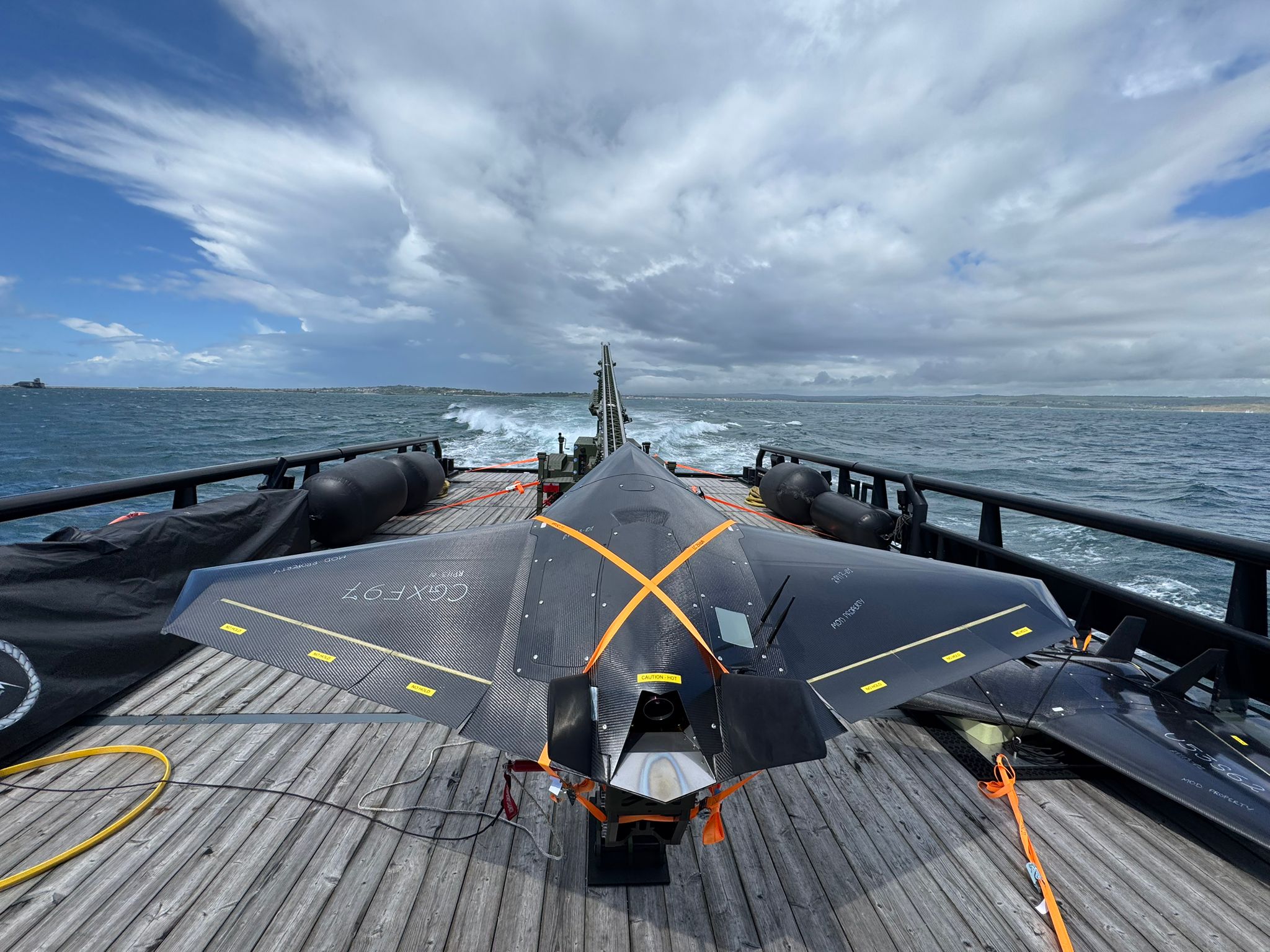
The UK Armed Forces have conducted the first comprehensive test of the domestically produced Nyan Kamikaze drone system (Nyan OWE – One-Way Effector) from a moving warship. The system achieved a launch speed of 55 metres per second in both land and maritime operations. Developed by BAE Systems Callen-Lenz, this mini kamikaze drone – already proven in land operations with over 1,000 units produced – has now extended its multi-domain operational capability to naval platforms with these latest trials.

Speed Record on Naval Platforms and the Nyan Kamikaze Drone
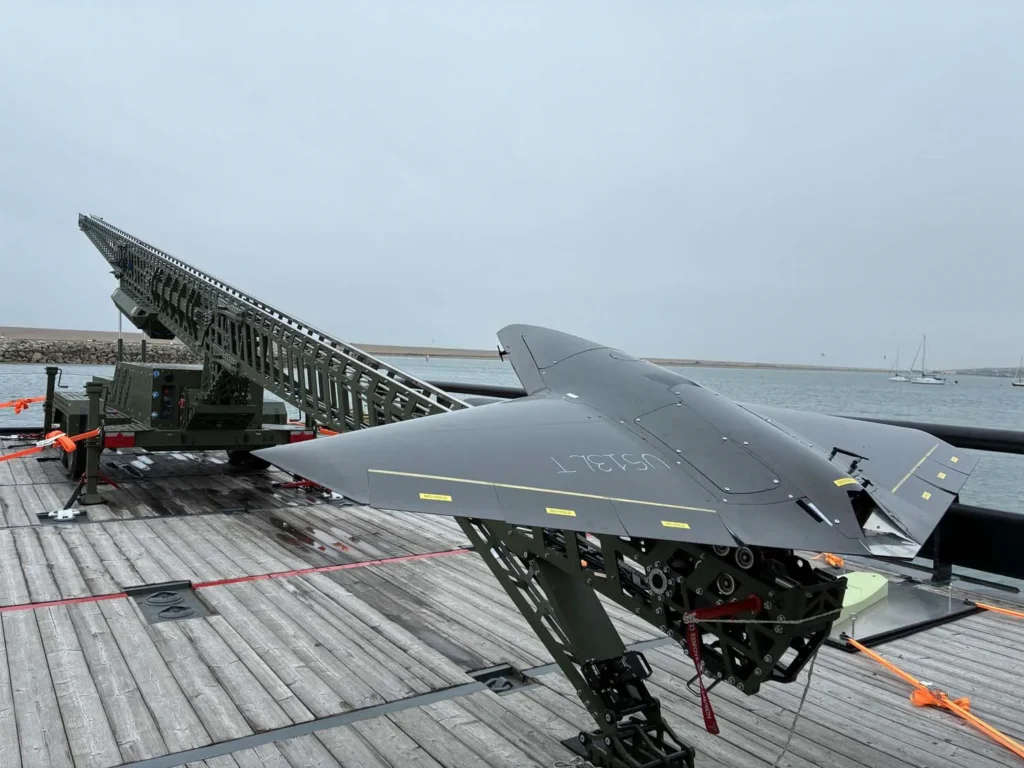
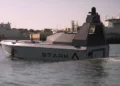
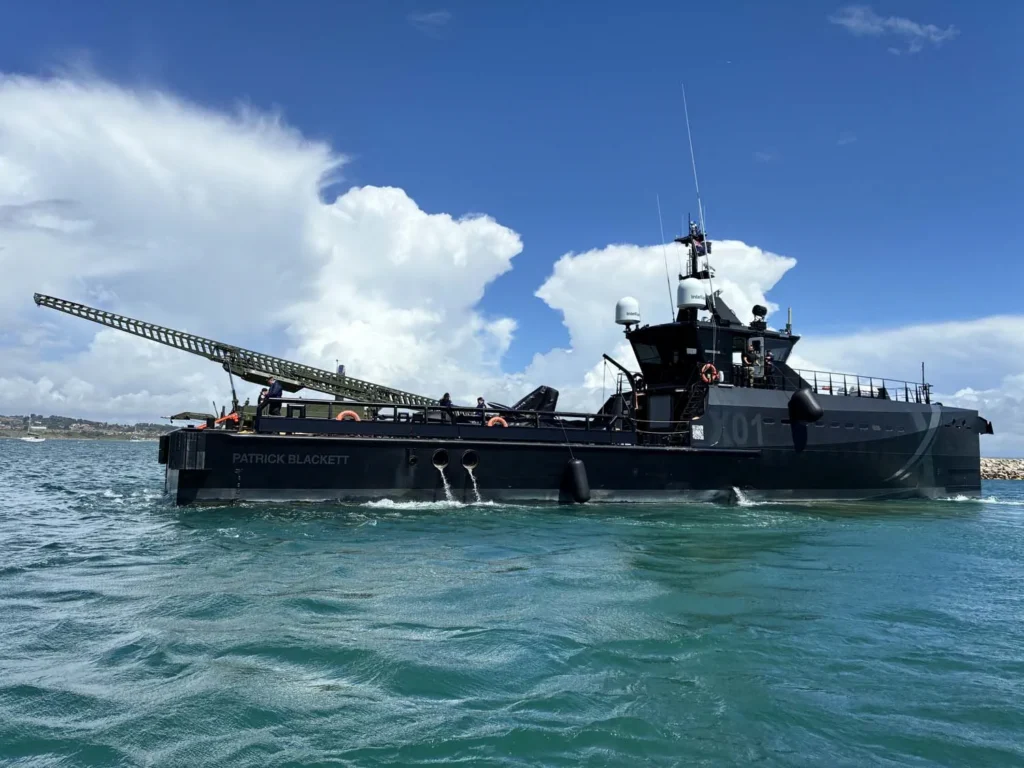
As part of Exercise Neptune Reach, conducted off the southern coast of England, the Nyan OWE was successfully launched from the Royal Navy’s experimental platform XV Patrick Blackett. Moreover, the trials, which brought together the Royal Navy, British Army, and Royal Air Force, were carried out under Project Vantage. This project aims to accelerate the operational processes of unmanned maritime strike systems.
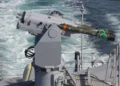
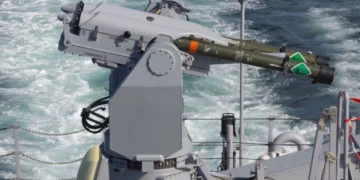
The autonomous system, pre‑programmed to fly to a specific target, was launched from a dedicated launcher installed on the deck while the ship was underway. Furthermore, the deck‑integrated launcher successfully demonstrated how the precision‑strike drone, with its 2.9‑metre wingspan, can be deployed with maximum efficiency from moving naval assets.
Joint Personnel Conducted Collaborative Trials
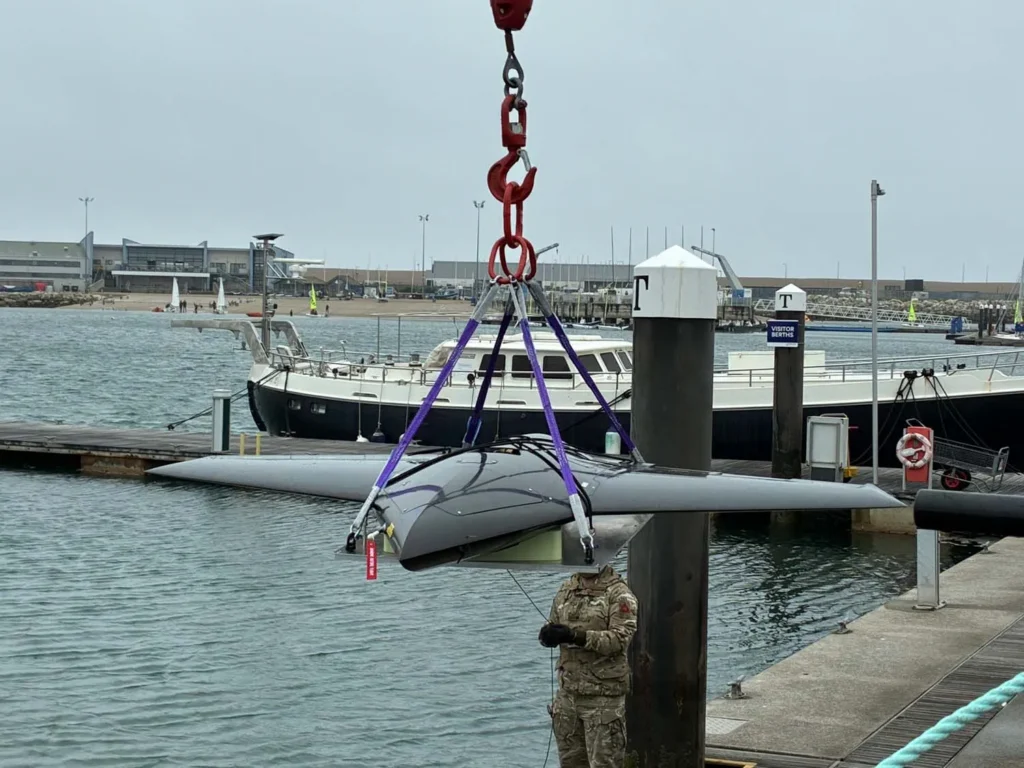
A joint team ensuring cross‑service integration played a key role in the successful execution of the trials. Personnel from the 26th Royal Artillery Regiment and 744 Naval Air Squadron worked alongside the crew of the XV Patrick Blackett. Their goal was to manage the launch operation of the UAV from the moving vessel.
Prior to the maritime tests, the Nyan OWE had already undergone an intensive testing schedule with the British Army during Exercise Spring Storm in Estonia. These trials also formed a critical part of the “deep strike capability” concept. The UK is developing this concept in line with its commitments to its NATO allies.
“Hybrid Navy” and Multi‑Domain Integration
Official statements from both the defence industry and military channels have outlined the operational vision for the project’s future. Luke Pollard MP, Minister for Defence Readiness and Defence Industry, said: “The UK is committed to building a ‘Hybrid Navy’ with next‑generation, powerful uncrewed systems at its core. By combining the expertise of our land and naval forces, deploying strike drones from warships rapidly gives us the capabilities we need to stay ahead of our adversaries.”
Matt Foster, CEO of BAE Systems Callen‑Lenz, added: “Nyan is a mature system that has proven itself in land operations, with over a thousand units produced. These tests have shown just how effective it can be in the maritime environment. This strong partnership between the forces and industry is proof of how quickly we can deliver integrated defence innovations.”
Next Stop: HMS Queen Elizabeth Aircraft Carrier
The recent activities with Nyan represent a strategic pillar of BAE Systems’ expanding uncrewed systems portfolio within FalconWorks, the company’s advanced technology and research centre. Furthermore, the firm is also channelling its 25 years of experience in autonomous systems designed for cost‑effectiveness and high‑volume deployment on the front lines (affordable combat mass) into this project.
The Royal Navy Capability Development Team, together with the Air and Space Warfare Centre, has begun analysing telemetry and performance data from the tests. Lieutenant Commander David Burton, Capability Sponsor for Maritime One‑Way Strike Systems, noted that these trials are transforming Atlantic Strike concepts into real capabilities that the fleet can directly employ. Depending on the analysis results, the next test destination for the Nyan OWE is planned to be the HMS Queen Elizabeth aircraft carrier.
🔍 You may also like
Source: C4Defence–Royal Navy / BAE Systems