






















Key Points
- The CIA and Vatican meetings held in Moscow are of critical importance for the Ukraine-Russia war and international security.
- During CIA Director John Ratcliffe’s visit, a warning was issued that Russia must not carry out any attack against NATO.
- The Vatican emphasized that a military solution is not possible and offered to mediate in Ukraine’s peace plan.
- Russia’s military exercises and missiles are creating a situation that heightens tensions with NATO.
- The secret summit shows that behind the scenes, diplomatic efforts are intensifying to prevent a major conflict.
“We have repeatedly warned that, in response to Ukraine’s use of British weapons to strike Russian territory, any British military facility and equipment inside or beyond Ukraine could be targeted.” — Maria Zakharova, Spokesperson, Russian Ministry of Foreign Affairs1
Global security and intelligence developments are facing sudden ruptures. As the war in Ukraine turns into a war of missiles and cities, the war in Iran remains uncertain, and Israel’s air strikes on Syria push to widen the conflict — all adding new obstacles to peace. Against this backdrop, the world’s attention has turned to Moscow’s secret summit and its unusual traffic of diplomacy and intelligence. Following an unannounced trip by CIA Director John Ratcliffe to the Russian capital, new details have emerged about what lay behind the visit. The simultaneous Moscow moves by the CIA and the Vatican — one of the most critical diplomatic developments in recent US political history — signal that back-channel diplomacy is stirring within the global security architecture. The fact that two very different actors made contact in Moscow within almost the same days is being read as a two-pronged strategic effort against the risks of the Russia-Ukraine war and regional escalation. According to sources who spoke to the US press, one of the most critical messages Ratcliffe carried to Moscow concerned NATO directly: “Russia must not attack NATO countries.” Around the same time as the CIA director’s Moscow contacts, another notable visit took place in the Russian capital. Archbishop Paul Richard Gallagher, the Vatican’s Secretary for Relations with States and International Organizations, met with Russian Foreign Minister Sergey Lavrov. Their talks covered the war in Ukraine, the search for peace, humanitarian initiatives, and the situation of the Catholic community in Russia. The Vatican’s Moscow contacts matter for reopening diplomatic channels at a time when ending the war through military means looks increasingly unlikely.
SVR Director Sergey Naryshkin confirmed that the talks touched on matters within the remit of the intelligence services, describing the area as “sensitive and highly specialized.” But secrecy — especially once the CIA is involved — abhors a vacuum. Within just three days, Russian media had already linked Ratcliffe to a new Ukraine plan, a warning about strikes on NATO weapons factories, and a nuclear-war scenario in the Middle East. This is where the most striking element of Moscow’s secret-summit traffic emerges: the CIA’s priority is to prevent a new front from opening between Russia and NATO, while the Vatican’s priority is to bring diplomacy back to the table in the Russia-Ukraine war.
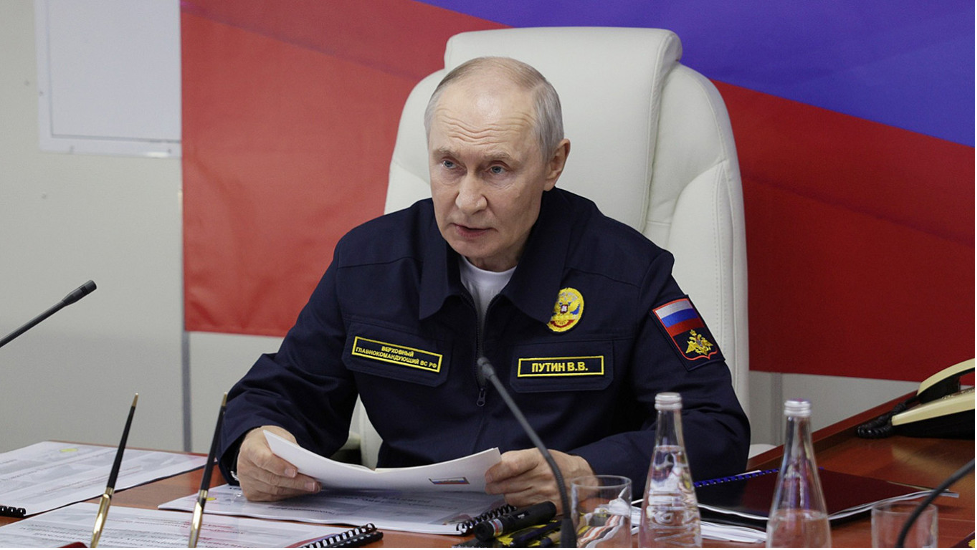
US President Donald Trump described Ratcliffe’s latest visit to Moscow as “semi-routine,” denying claims that it was linked to possible “Russian military threats” against NATO or the United Kingdom. Almost simultaneously, CIA Director John Ratcliffe arrived in the Russian capital. Although no direct coordination between papal diplomacy and Washington has been officially confirmed, the overlap in timing of the two missions is a politically significant signal. Their parallel reopening comes at a sensitive juncture in the global geopolitical landscape. President Trump stated: “We had a good conversation with Putin — Russia will not attack NATO territory.”
Kremlin spokesman Dmitry Peskov dismissed US media reports suggesting Russia could attack NATO following the CIA director’s Moscow visit as “scare stories,” saying, “Quite a few scare stories of this kind are being published these days. Naturally, they have nothing to do with reality.” So why, then, did Russia carry out an intercontinental ballistic missile (ICBM) test launch covering more than 6,700 km, from the Plesetsk Cosmodrome in northern Russia to the Kura Test Range in Kamchatka? And why did a program broadcast on Russian state television present a chilling nuclear-strike scenario targeting the United Kingdom, complete with simulation footage? The broadcast unveiled the “Poseidon” nuclear-armed unmanned underwater torpedo, showing graphics of how Britain could be wiped off the map. What does Moscow’s warning mean — that if Kyiv continues firing British-made long-range cruise missiles into Russia, British military targets both inside and outside Ukraine could be struck? Russian Foreign Ministry spokesperson Maria Zakharova issued Britain’s strongest direct warning yet, saying Russia could target the UK in response to Kyiv’s launch of British missiles, stating that London was “one step away” from becoming a legal accomplice in what Moscow calls “terrorism” against Russian civilians, and warning of “catastrophic consequences” should Britain fail to change course. Zakharova stated: “We have repeatedly warned that any British military facility and equipment inside or beyond Ukraine could be targeted in response to Ukraine’s attacks on Russian territory.” Moscow’s threats came after UK Prime Minister Andy Burnham announced on August 24 that Britain would share Storm Shadow missile production technology with Ukraine. The following day, Andrei Fedorov, an adviser to Kremlin ruler Vladimir Putin, said British factories producing drones and missile components could face attacks from “unknown sources.” In Neasden, northwest London, about 1.5 km from Wembley Stadium, a huge explosion and fire broke out at an industrial site on Hannah Close — could the timing of this incident carry a message? UK Prime Minister Andy Burnham said on Monday that Britain would grant Kyiv access to classified technology enabling it to begin domestic production of long-range Storm Shadow cruise missiles. France also agreed to supply missile technology. Russian Foreign Ministry spokesperson Maria Zakharova said on Thursday that Britain and France were “playing with fire.” This brief analysis aims to examine some of these fast-moving diplomatic and intelligence developments.
Is the Real Story Behind It All Russia’s Response to Interference with Its Tankers?
“We will not necessarily act in every body of water where attacks on our ships and naval vessels are being planned, but we will act wherever we deem it necessary and appropriate — including within the Pacific Fleet’s area of responsibility.” Putin
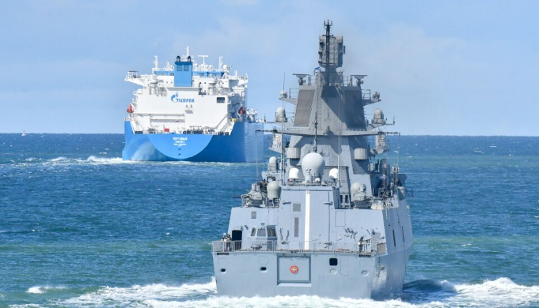
Every night, hundreds of Western drones and missiles are launched at Russia, most of them shot down. Moscow increasingly regards Ukraine’s strikes as attacks by NATO states themselves, given that NATO members supply Kyiv with weapons and intelligence. President Vladimir Putin has made his intentions clear in his statements, downplaying the impact of the strikes on Russia’s economy. According to Financial Times calculations, in the first six months of 2026 Ukrainian drones successfully struck Russian refineries at least 194 times — eleven times more than in the same period of 2025. Since mid-July, Wildberries warehouses have been hit 21 times across 16 regions, and Ukrainian drones struck six Ozon logistics facilities within three days. Faced with Russia’s continued bombardment of Ukrainian cities and villages, Kyiv has recently stepped up its strikes on Russian logistics and energy infrastructure in an effort to cut off funding for Moscow’s war machine. Putin said in this context: “Ukraine has opened this Pandora’s box,” adding, “Be ready for a backlash in the most sensitive sectors of your economy.” Some Ukrainian missiles do reach their targets, generally hitting vulnerable sites chosen for their propaganda value (oil tankers and retail warehouses burn very photogenically). Western intelligence guides the targeting. What has been the effect of all this? It has hardened Russian sentiment further and given momentum to those who want the gloves to come off. On August 22, Vladimir Putin said Ukraine’s strikes on Russian economic targets had “opened Pandora’s box” and that Russia would retaliate. This is already happening. Russia has intensified its own air campaign, destroyed a series of weapons factories and related industries, cut off Ukraine’s access to the sea for the first time in the war, destroyed all fuel stations in key regions, and, in a tit-for-tat move, struck retail warehouses, emptying supermarket shelves. Russian President Vladimir Putin also threatened to seize European-owned vessels in retaliation for European countries’ plans to sell cargo seized from ships belonging to Russia’s “shadow fleet.” Moscow reacted sharply to these moves, with Putin calling them “piracy and banditry.” Russia redeployed the Admiral Levchenko destroyer of the Northern Fleet from the Barents Sea to the Baltic Sea. The Russian warship Admiral Kasatonov frigate is escorting a Gazprom tanker along the Norwegian coast.
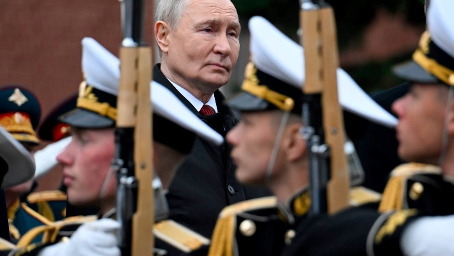
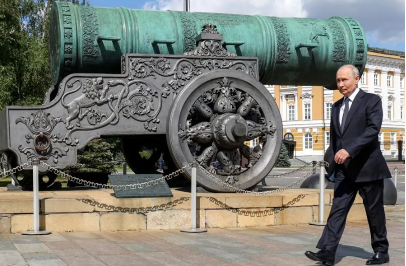
Why Did Russia Hold a Mobilization Drill in the Kaliningrad Region?
The Russian military also carried out an air deployment and exercise from St. Petersburg to the Kaliningrad region, which lies between two NATO countries and the Baltic Sea. The drill tested wartime deployment and mobilization procedures, as well as readiness planning and protocols, from mainland Russia. According to Western intelligence, in the event of an escalating confrontation with the West, Russia could seize part of the Suwałki Corridor — the land strip stretching from Kaliningrad through neighboring Poland and Lithuania to Belarus. This could form part of an undeclared “hybrid war” that Russia is already suspected of waging against NATO countries, potentially expanding to include advanced cyberattacks, drone strikes, and the use of low-level criminals to carry out sabotage attacks on munitions factories.
One method would be to distract from NATO’s evident failure to win the war in Ukraine and to test NATO’s resolve by launching a limited strike on one of the Baltic states. Estonia, Latvia, and Lithuania were, until 1991, effectively governed from Moscow as part of the Soviet Union. According to Russian media reports, Putin signed three secret decrees on the very day the CIA director was visiting Moscow. Putin signed decrees numbered 605 through 607, none of which were published. Ratcliffe’s visit to Moscow may be linked to mobilization, a provocation against NATO, or some kind of exchange. This unusual gap in the public record coincided with Ratcliffe traveling to Moscow for confidential talks with Russian officials, and with Washington reportedly asking that Kyiv temporarily refrain from striking Moscow and St. Petersburg during the American delegation’s visit. The timing of the secret decrees and Ratcliffe’s visit has fueled speculation about whether the documents relate to Russia’s military plans, mobilization, security measures, or sensitive negotiations.
Could the Target Be Britain, France, or Germany?
Russian Foreign Ministry spokesperson Zakharova said that, in response to attacks on Russian territory, British military facilities outside Ukraine could be targeted. Noting this, Zakharova said, “Those who commit war crimes against our civilian population will be punished accordingly.” Underscoring that France, Britain, and Germany were stoking tensions over Ukraine, Zakharova said: “London and Paris are trying to absolve themselves over the attacks on our territory by deciding to hand certain military systems to Ukrainians. This will not work. Paris, London, Berlin, and other countries bear direct responsibility for acts of terrorism.” Zakharova added that “no hostile action by Finland or other unfriendly countries will go unanswered, and Russia will respond proportionately in line with its national interests.”
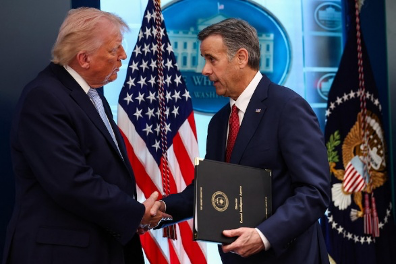
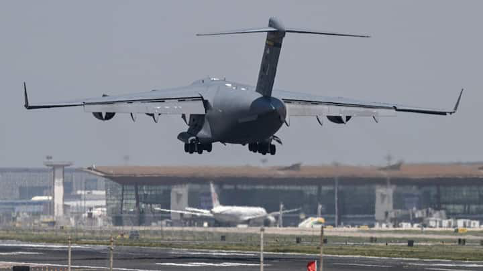
CIA Director John Ratcliffe met with Russian intelligence officials in Moscow this week. The decision to send the head of US intelligence to Moscow in person was made directly by US President Donald Trump.
Despite Russia’s warnings, UK Prime Minister Andy Burnham announced that support for Kyiv would continue. Russian Foreign Minister Sergey Lavrov had earlier stated that Moscow could regard direct British missile-force involvement in strikes on Russia as part of the war. The latest escalation followed Britain’s decision to allow classified technical information related to Storm Shadow/SCALP cruise-missile components to be shared with Ukraine, paving the way for Kyiv to begin domestic production of the long-range weapon. Russian Foreign Ministry spokesperson Maria Zakharova accused Britain and France of “playing with fire,” while the Kremlin said London was pouring fuel on the conflict. Britain, meanwhile, insists its support is aimed at strengthening Ukraine’s ability to defend itself against Russia. So what exactly is the Storm Shadow missile? Why is Britain sharing sensitive technology with Ukraine? Why did Moscow warn of possible strikes on British military targets? And could the rising friction between Russia and Britain push the war into an even more dangerous phase? This account examines Russia’s latest warning, Britain’s Storm Shadow technology transfer, Ukraine’s plans for domestic missile production, and what the escalating rhetoric could mean for the Russia-Ukraine war. Russia’s warning was reported on August 27, while the latest news also confirmed Britain’s plan to support Ukraine’s future domestic Storm Shadow/SCALP missile production through the sharing of classified technical information.
What does the critical timing mean of Ratcliffe’s visit to Russia — his first known trip there since becoming CIA director? The visit came at a particularly tense moment in Moscow’s full-scale war in Ukraine, amid growing concern over a possible Russian escalation against Europe. Yet the timing, the arrangements surrounding Ratcliffe’s arrival, and his standing within the Trump administration have fueled speculation that the CIA director carried a message far more sensitive than what is normally handled through diplomatic channels. According to reports based on people familiar with the matter, the US asked that Ukraine refrain from striking Moscow or St. Petersburg while Ratcliffe was in Russia. The visit comes amid a wave of sabotage operations and drone attacks suspected to have taken place on NATO territory in recent months, and growing Russian concern over NATO activities. This theory draws a striking parallel with the CIA director’s last known visit to Moscow.
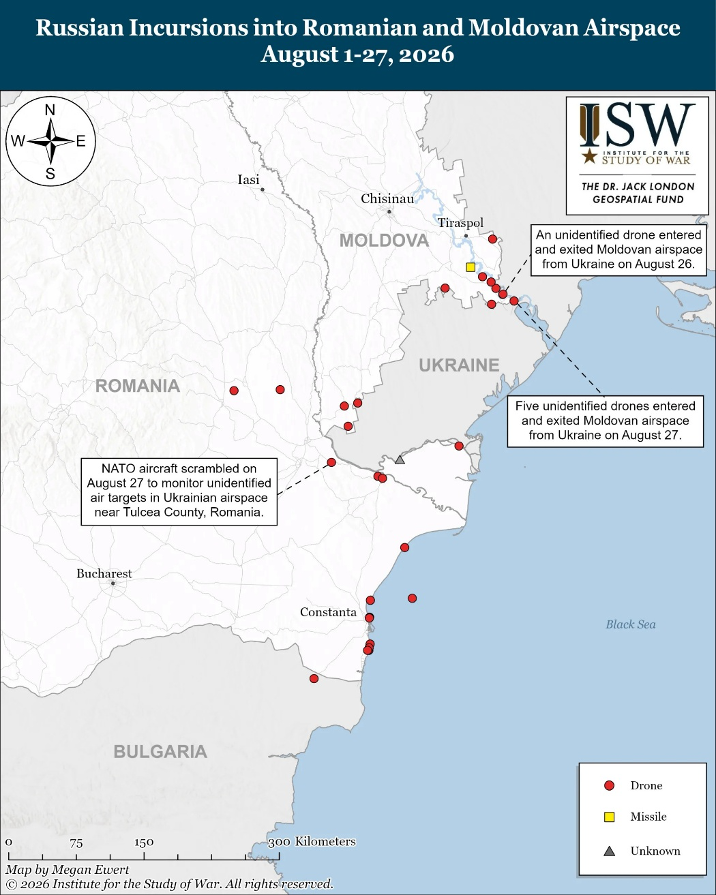
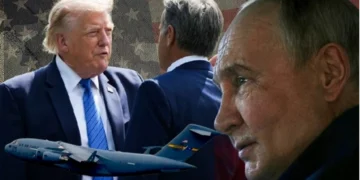
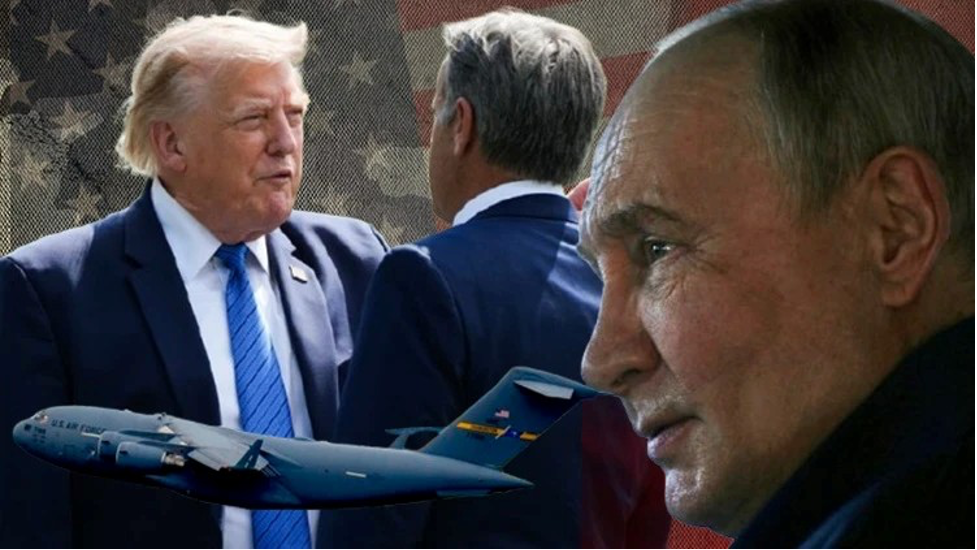
CIA Director John Ratcliffe’s visit to Moscow raises concerns that Russia may, in the near term, be preparing an act of aggression against a NATO member in order to render NATO’s Article 5 moot. A short-term Russian attack involving a full-scale conventional invasion of a NATO state is highly unlikely. According to sources “familiar with the matter” cited by the Wall Street Journal on August 26, Ratcliffe warned Russia against attacking NATO countries. He warned Russian officials against escalating conflict with the US’s NATO allies, particularly Estonia, Latvia, and Lithuania. The fact that Ratcliffe arrived in Moscow aboard a C-17 military transport aircraft and used an American convoy suggests that the US views the intelligence it holds not merely as a distant threat warning, but as reasonably urgent and sensitive. Open-source US intelligence reports have indicated the possibility of Russian intervention “within the next few years.”
On the night of August 26-27, several unidentified drones entered Moldovan airspace, showing that the Kremlin continues to accept the risk that its war against Ukraine could harm other states, including NATO countries bordering Moldova and Ukraine. This came just before CIA Director John Ratcliffe’s mysterious trip to Moscow this week, alongside new US intelligence indicating that the Kremlin sees the US as weakened by the Iran war — offering Russia an opportunity to escalate actions against American interests and allies in Europe.
Could Archbishop Paul Richard Gallagher Have Presented Lavrov with Kyiv’s New Peace Plan?
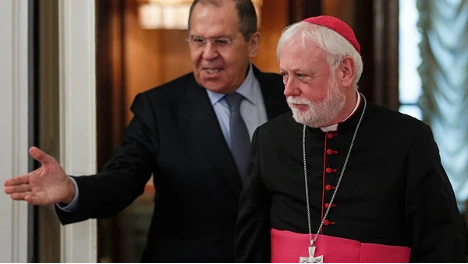
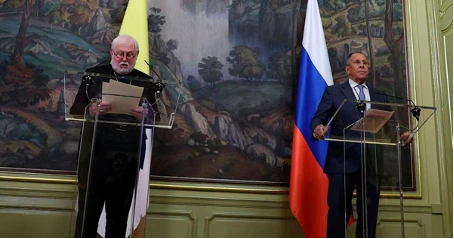
Archbishop Paul R. Gallagher, the Vatican’s Secretary for Relations with States and International Organizations, said at a joint press conference with Russian Foreign Minister Sergey Lavrov in Moscow on August 25: “The Holy See’s position is clear: the conflict cannot be resolved by military means.” The Archbishop added, “It is essential that the conditions be created for a serious political and diplomatic process,” and, “The Holy See calls on both sides to show openness and good will so that this dialogue can become a reality as soon as possible.” Archbishop Gallagher stated plainly: “Let us be clear about this: this war must end.” The Vatican has offered to “mediate” in reaching a settlement in the Russia-Ukraine war and said it would continue supporting efforts to lay the groundwork for dialogue. Gallagher, the Vatican’s secretary for relations with states, said the Holy See would continue its charitable and humanitarian work while contributing to dialogue and making room for it. “In the sincere hope that the peace so deeply desired can be achieved as soon as possible, we offer whatever help we can,” Gallagher said. Lavrov, for his part, described the Holy See’s diplomatic dialogue as one of “trust, friendship, and pragmatism.” Vatican diplomat Paul Richard Gallagher met with Russian Foreign Minister Sergey Lavrov and presented new proposals as part of Kyiv’s peace plan.
What Might the Kremlin’s Response Be to the Surprises and the Road Map?
- US intelligence separately assessed that Putin could test NATO with a limited attack; unconfirmed reports have linked CIA Director John Ratcliffe’s Moscow trip to a possible warning about further escalation. The US sending its CIA director to Moscow shows how seriously Washington is taking the latest intelligence reports on a potential Russian attack against NATO.
- CIA Director John Ratcliffe’s surprise visit to Moscow has heightened fears of a direct confrontation between Russia and the West. The visit followed growing concern among US intelligence officials earlier this month that Moscow could attack a NATO country within weeks in order to test the alliance’s resolve.
- This points to the possibility that, within the next few years, Putin may attempt to test NATO’s resolve by launching a limited attack on an allied country. How and when Putin might do so remains an open question. But sources say the most likely scenario involves escalating tensions by targeting the Baltic states (Estonia, Latvia, and Lithuania) or Poland.
Analysts list the following among the possible scenarios:
- Air strikes against the Baltic states.
- A limited ground operation carried out by small forces.
- Experts believe Russia would not need to amass a large military force for such operations, unlike before its full-scale invasion of Ukraine.
- At the same time, it remains unknown whether Vladimir Putin has made a final decision on such an operation.
- Washington is aware of Russia’s intentions and is advising against carrying them out.
- Russia continues to deny any possibility of an attack on NATO countries. However, ISW analysts believe such statements may be part of Russia’s cognitive warfare rather than a reflection of the Kremlin’s true intentions.
- According to a report in the Wall Street Journal, some circles in Washington are concerned that Russia could launch a small-scale ground operation into Eastern Europe or cyberattacks sometime between this autumn and 2029. If true, this would be a significant development, given that earlier intelligence assessments had concluded that Putin would not attack NATO while Russia remains at war with Ukraine.
- The real message behind the traffic in Moscow is this: as the fighting hardens on the front lines, diplomacy has accelerated behind the scenes to head off a bigger confrontation. All eyes are now on the Kremlin. How Moscow responds to the messages coming from Washington and the Vatican could determine the course not only of the war in Ukraine, but of tensions along the NATO-Russia and Iran axes as well.
- The CIA director’s surprise visit to Moscow is being seen as a desperate move by the Trump administration to avert this doomsday scenario. The last time the head of America’s foreign intelligence service undertook such a mission was in 2021, when then-CIA Director William Burns flew to Moscow to warn Russia against attacking Kyiv. The warning went unheeded, and Putin launched a full-scale invasion of his neighbor a few weeks later.
References
1. Fox News
2. Irish Sun
3. Yeni Asır
4. Cumhuriyet
5. Moscow, Diplomacy, and Intelligence: Dual Channel with the Vatican and the US
6. Euronews Türkçe
7. Instagram
8. Al Jazeera
9. Ukrainska Pravda
10. LBC
11. The Guardian
12. The Moscow Times
13. Euronews
14. Military.com
15. Counterfire
16. Euronews Türkçe
17. Militarnyi
18. The Barents Observer
19. WSJ
20. UATV
21. BBC
22. UNN
23. Kyiv Post
24. AA
25. Haber7
26. Hürriyet
27. ISW
28. Washington Post
29. Catholic Review
30. AA
31. Zamin.uz
32. Kyiv Post
33. CNN
34. Hürriyet
🔍 You may also like
Source: C4Defence