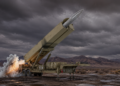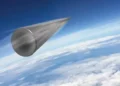



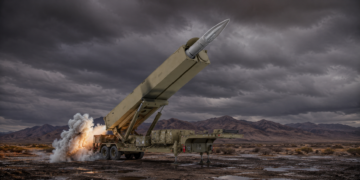
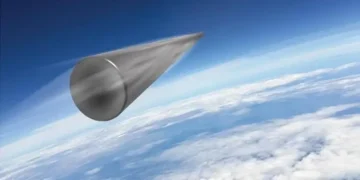



















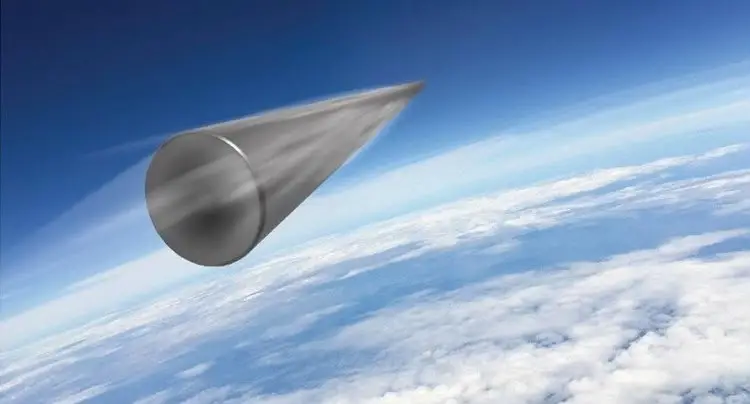
The unarmed Mk21A was launched from Vandenberg and tested over the Pacific Ocean, with data obtained from the test set to guide further design work.
Lockheed Martin and the US Air Force have completed a flight test of the Mk21A reentry vehicle, which is currently under development. The test was conducted over the Pacific Ocean following a launch from Vandenberg Space Force Base in California. The Mk21A will be carried in the front section of the United States’ future intercontinental ballistic missile (ICBM) system and will replace the ageing Mk21. The programme aims to support the modernisation of the land-based leg of the country’s strategic nuclear triad.
Digital Engineering in the Mk21A Reentry Vehicle Programme
Conducted under a prime contract valued at more than $1 billion, the test evaluated the maturity of the Mk21A reentry vehicle’s design architecture and next-generation reentry technologies. The company drew on data from previous tests and digital engineering methods to accelerate development. High-fidelity modelling and simulation tools are expected to shorten the development schedule, reduce technical risks and improve system performance.
Data obtained from the latest flight test will be used to refine the Mk21A’s design and plan future tests, while the programme aims to advance towards the system-level Critical Design Review (CDR) stage. Jason Watson, Vice President of Strategic Reentry Programmes at Lockheed Martin, stated that lessons learned from previous flight tests had directly contributed to the Mk21A’s development. The company highlighted the significance of the test for the development of next-generation strategic systems and the transition from digital design to flight testing.
🔍 You may also like
Source: C4Defence – Lockheed Martin