














The Royal Navy monitored sanctioned Russian shadow fleet cargo vessels and their escorting warships during a three-day operation in UK waters.

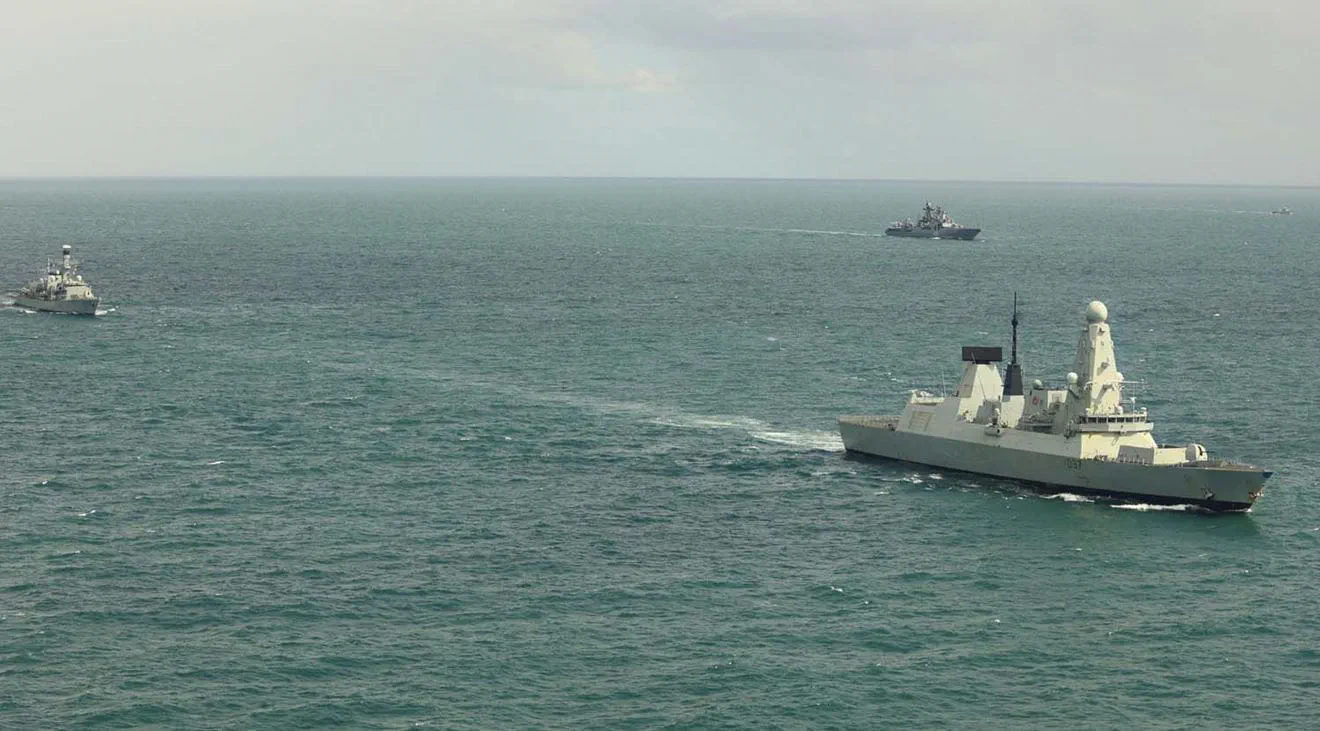
HMS Duncan, HMS St Albans and HMS Severn used radar and sensors to track two Russian Navy warships and two sanctioned cargo vessels through the North Sea and English Channel.
Russian Shadow Fleet Tracked Through North Sea and Channel
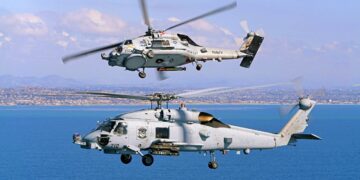
Type 45 destroyer Duncan, Type 23 frigate St Albans and patrol vessel HMS Severn monitored Russian destroyer Admiral Levchenko as it escorted sanctioned cargo ships General Skobelev and Sparta from the North Sea into the English Channel. A Merlin helicopter launched from St Albans joined the operation as the vessels approached the Strait of Dover. At the same time, HMS Mersey tracked shadow fleet replenishment vessel Akademik Pashin sailing nearby.
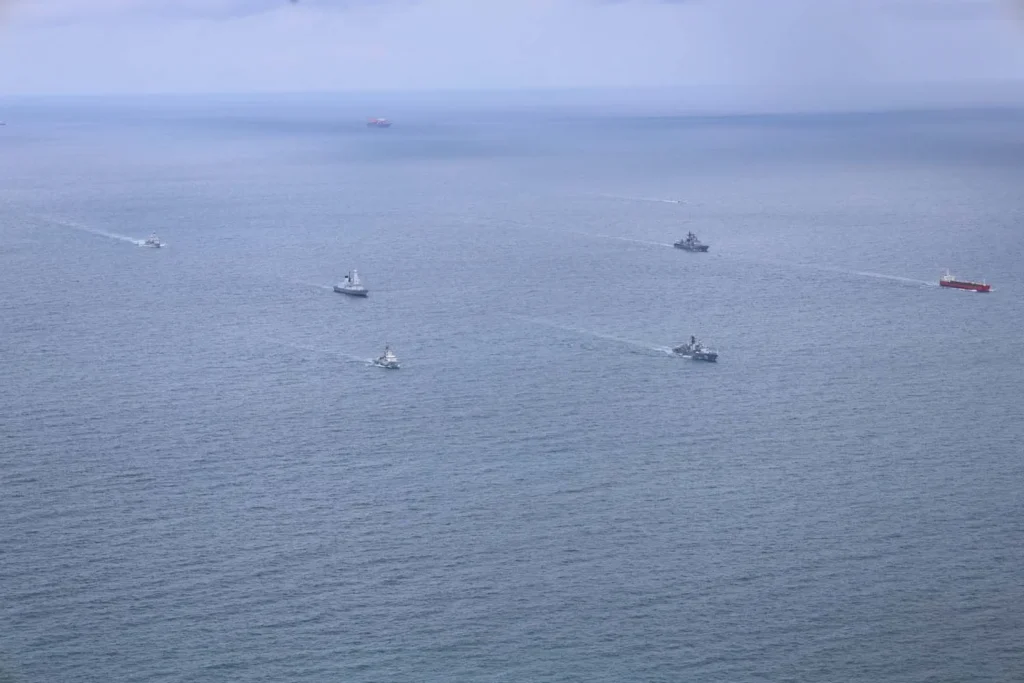
Russia deployed additional military resources to guard the shipment, including frigate Neustrashimy. The Royal Navy ships tracked the Russian task group through the Channel before handing over monitoring duties to a NATO ally off the coast of France near Ushant.
Russian Shadow Fleet Monitoring Activity on the Rise
Royal Navy activations to monitor Russian activity have risen 25% across the first eight months of the year compared with 2025. The operation followed the UK’s interception of sanctioned shadow fleet oil tanker Smyrtos in the English Channel in June.
First Sea Lord and Chief of Naval Staff General Sir Gwyn Jenkins said the Smyrtos interception showed the UK and Royal Navy would act against those seeking to evade sanctions. He said Russian shadow fleet vessels had increasingly been forced to change their routes since that operation, adding cost and delays to their journeys. Jenkins said shadow fleet vessels continued to pose a risk to maritime security and the environment, and that the UK would remain vigilant alongside its allies.
A Routine but Constant Task
HMS St Albans Commanding Officer Commander Oli Ayers said the frigate had been part of a group of NATO warships and aircraft escorting and monitoring Russian warships and merchant vessels. He said this type of operation was the frigate’s core business and would continue over the coming months alongside NATO allies.
HMS Duncan Commanding Officer Commander James Mitchell said Duncan, fresh from operations in the North Atlantic and High North with the UK Carrier Strike Group, had been tasked alongside St Albans to monitor Russian military and civilian vessels. He said the Royal Navy maintained a persistent watch on activity around the UK and that the operation demonstrated its readiness to respond.
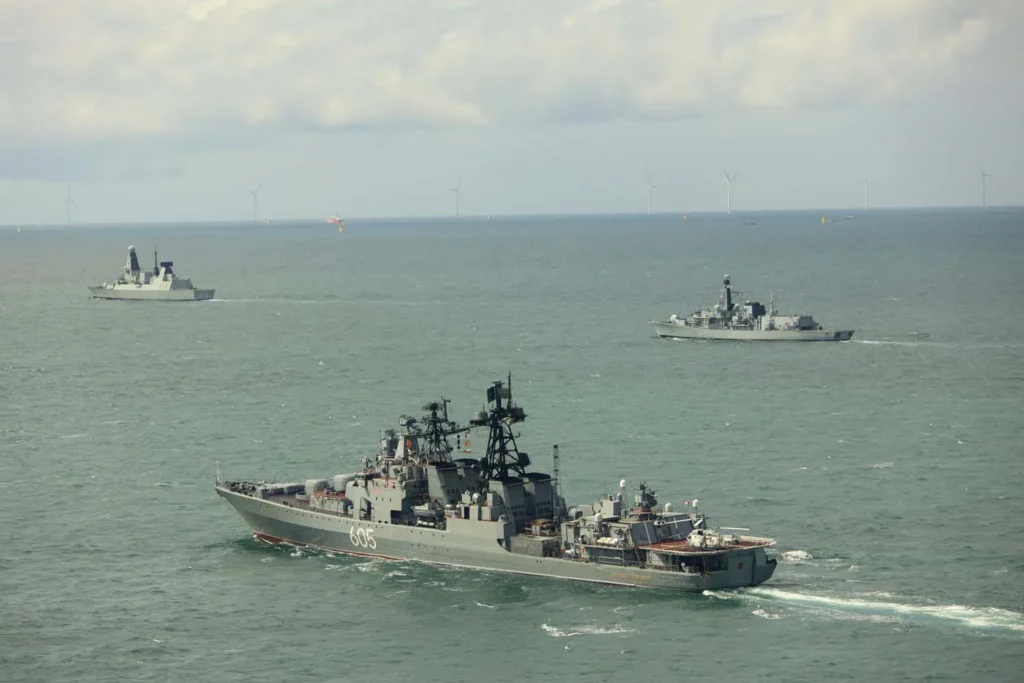
This was the third time this month that Portsmouth-based HMS Severn had been dispatched to track Russian movements, having earlier shadowed Neustrashimy in the Channel and, working with HMS Tyne, monitored frigate RFN Admiral Gorshkov, hydrographic vessel Romuald Muklevich and Akademik Pashin.
The UK has sanctioned more than 500 vessels as part of its effort against Russia’s shadow fleet, with Russia’s oil and gas revenues falling by 24% year-on-year in 2025.
🔍 You may also like
Source: C4Defence–Royal Navy