

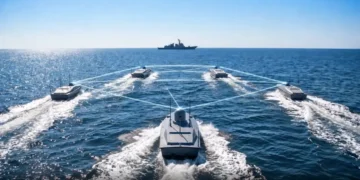












NATO has put unmanned systems and underwater technologies developed for naval special operations forces through their paces in an operational setting as part of BOMA 26. The activities, held in Lisbon, saw unmanned surface vessels and subsea systems evaluated in the field for use across a range of missions.

The BOMA 26 event, held in the Portuguese capital on 7 September, brought together NATO’s naval special operations forces community along with participants from industry and academia. The programme saw testing of manned and unmanned systems, underwater communications technologies and counter-drone systems.
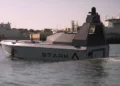
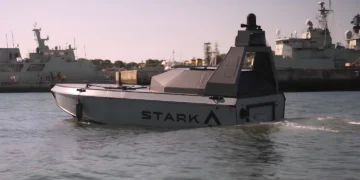
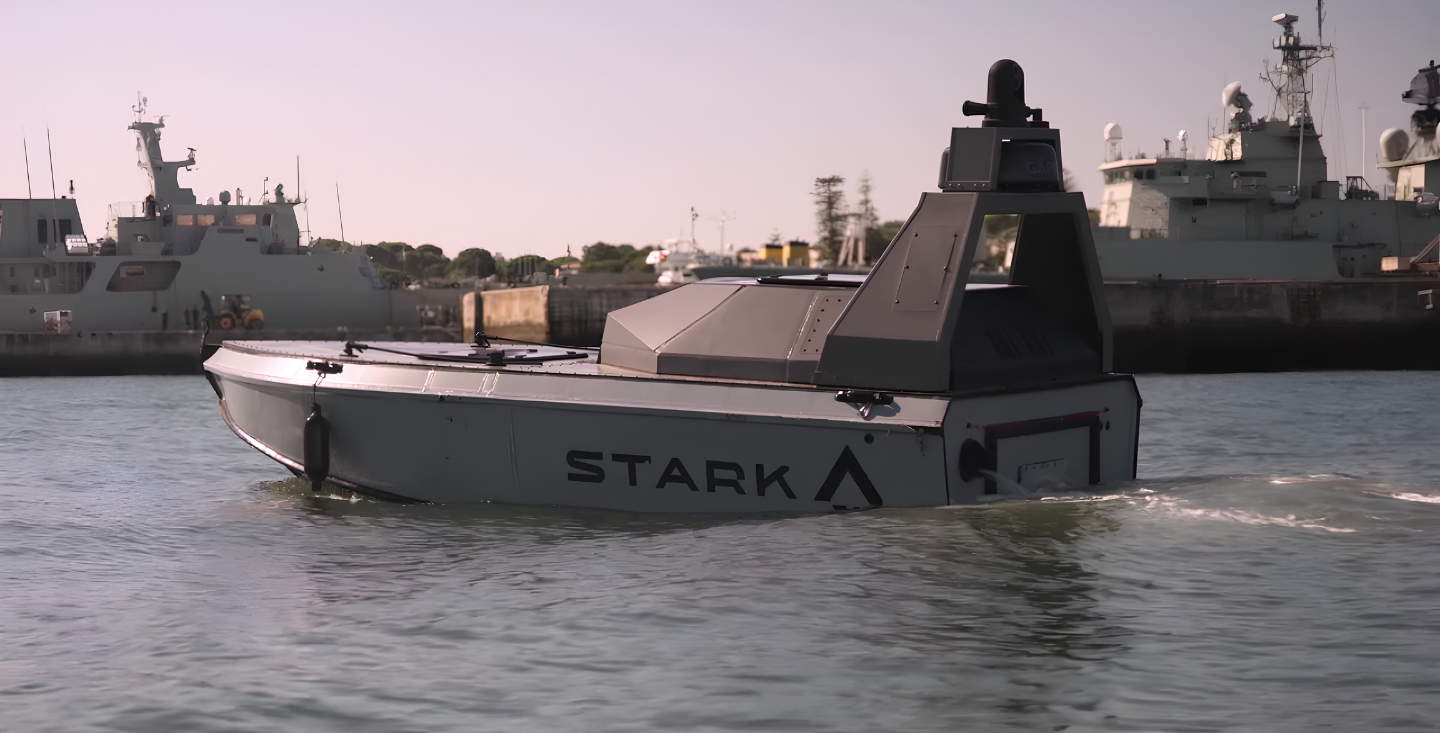
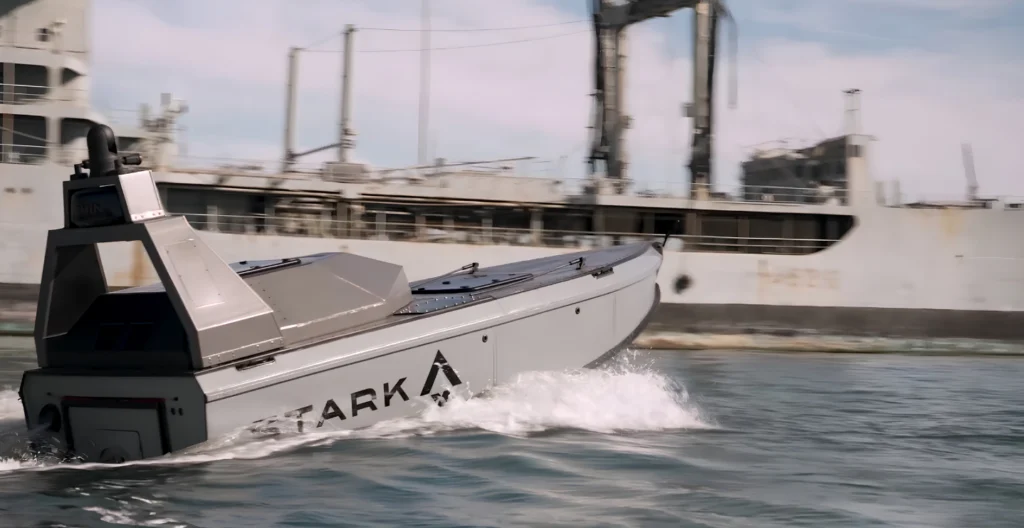
Among the systems used during BOMA 26 were Stark Defence’s STARK VANTA, Kraken Technology Group’s K3 Scout and ProxFlyer’s SeaShadow unmanned surface vessels.
USVs Put to the Test Under BOMA 26
Kraken Technology Group’s K3 Scout was tested as an unmanned surface vessel capable of carrying different mission payloads. According to a company representative, the K3 Scout can be used in open seas and on lakes. The vessel can be controlled remotely and can also carry out certain tasks autonomously.
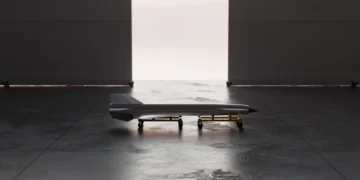
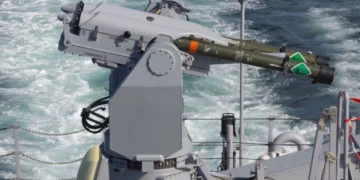
Stark Defence’s STARK USV, meanwhile, is six metres long and can reach speeds of up to 46 knots. According to information provided by a company representative, the vessel carries a loitering munition payload that allows a UAV to launch from the USV and be used against targets up to 80 kilometres away.
The STARK USV can also be used for intelligence, surveillance and reconnaissance (ISR) missions, port approach and to support diving operations.
Underwater Technologies Tested at BOMA 26
Technologies for underwater operations were also put through their paces during BOMA 26. A system demonstrated by Unplugged was tested for its ability to let divers communicate wirelessly without a mechanical connection, transfer data and exchange power.
A bioluminescence product developed by LuxBio was also trialled underwater during the activities. According to a company representative, the product — which makes use of firefly protein — was developed to produce light with low heat and noise, and was assessed for use in search and rescue and special operations.
A robotic guard dog developed by Reconis was also showcased during the activities.
🔍You may also like
Source: C4Defence– NATO