






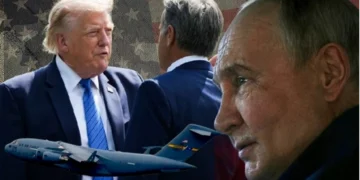




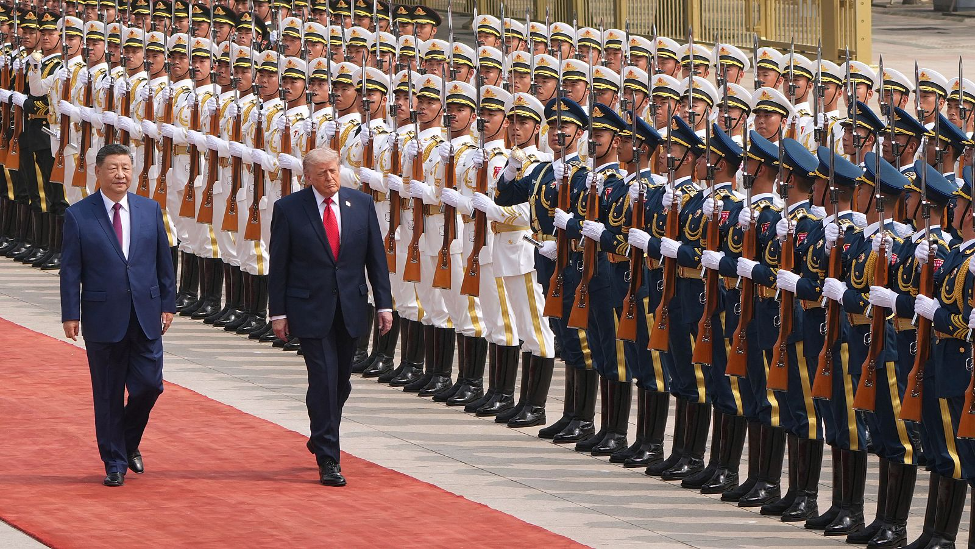
“It was an incredible period of time. President Xi is an incredible leader. We got along well and reached great trade agreements, including a commitment for 750 aircraft, 200 of which are from Boeing. Iran must suspend its nuclear program for 20 years, and this must be a real commitment. Iran can never possess nuclear weapons.” — U.S. President Donald Trump

“We should not be rivals; we need to be partners. We should contribute to each other reciprocally, achieve common prosperity, and pave the way for great countries to live together in the right way in the new era.” — Chinese President Xi Jinping
U.S. President Donald Trump met with Chinese President Xi Jinping at a U.S.-China summit, where trade, Taiwan, and the war in Iran dominated the agenda, following weeks of unsuccessful efforts to persuade China to bring Iran back to the negotiating table and reduce tensions around the Strait of Hormuz. In the context of his historic visit to Beijing 8.5 years later, U.S. President Trump came together with Chinese President Xi. The two leaders’ critical summit lasted approximately two hours.
In his opening remarks at the summit, Xi stated that they wanted to discuss issues concerning both countries and the world with Trump and open a new page by advancing relations in the right direction. In response, Trump expressed that his relationship with Xi would be better than it had ever been. A White House official, providing a statement regarding the Trump-Xi meeting, said, “The U.S. and China have agreed that Iran will never possess nuclear weapons.” President Donald Trump’s state visit to Beijing on May 15, 2026, concluded with public announcements of success, yet failed to achieve a concrete breakthrough on fundamental geopolitical conflicts.
The two-day summit with Chinese President Xi Jinping focused primarily on the war in Iran, cross-strait stability regarding Taiwan, and bilateral trade issues. According to Chinese state media, while Trump characterized the meeting as “highly successful, world-famous, and unforgettable,” Xi defined the visit as a “historic and turning point” event.
Trump, who traveled to China accompanied by a high-level business delegation active in fields such as agriculture, aviation, electric vehicles, and artificial intelligence (AI) chips, described the relationship between the two countries as “the most important economic relationship in the world.” The two-day summit was defined more by warm rhetoric and symbolism than concrete economic results; the first day featured grand ceremonies and optimistic expressions, but no comprehensive trade breakthrough or significant business deals were realized.
Donald Trump maintained that his visit was “incredible” and that he “thinks very good results will come out of this.” The U.S. President said, “We have made great trade agreements for both countries.” Noting that his relationship with Xi Jinping is “very strong,” Trump, while sitting next to Xi at the Zhongnanhai leadership compound in Beijing, further stated: “We discussed Iran. We have very similar thoughts on how we want [this] to end. We do not want them to possess nuclear weapons. We want the Strait to remain open.”
The summit also carries historical significance regarding the parameters within which U.S.-China competition will be managed and, more importantly, how the standards of the new order will be determined in an environment where bilateral relations increasingly define the world order. Today, the struggle between the two countries is not economic competition or a geopolitical power struggle in the classical sense. The core issue is the standards by which the technological, financial, and security architecture of the international system will be shaped. U.S.-China competition has shifted beyond military capacity or trade volumes into areas such as semiconductor technologies, artificial intelligence, data security, financial infrastructures, supply chains, energy corridors, and digital payment systems.
China, for its part, responds to this with alternative financial networks, the circulation of the Chinese currency, the Yuan, in international markets, and regional economic integration projects. As an issue linked to domestic politics, the Taiwan question is, in this context, not merely a foreign policy file; it is a historical and ideological element of legitimacy at the center of the “modern, unified, and strong China” narrative.
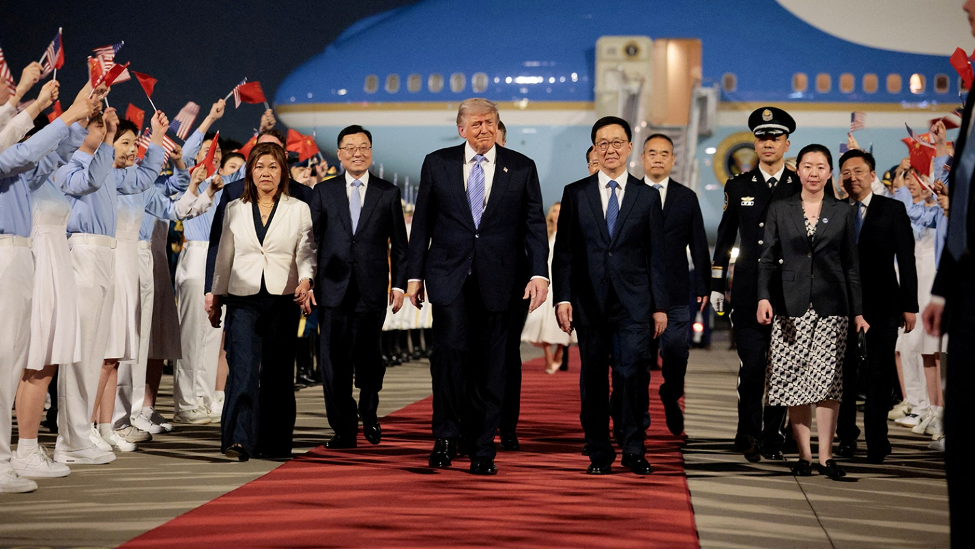
From the perspective of diverging strategic interests, analysts remain extremely skeptical despite Trump’s claims that Xi has promised to stop sending military equipment to Iran. China is heavily dependent on Iranian oil and views Tehran as a strategic counterweight to U.S. global influence, which provides little incentive for Beijing to completely cut off support without receiving major reciprocal concessions from the U.S. Chinese leader Xi Jinping told President Trump that the mismanagement of the Taiwan issue could lead to a conflict with the United States. In fact, to understand the background of this visit, one must look at the Trump-Xi meeting that took place last October in Busan, South Korea. During that meeting, the parties had effectively declared a “trade truce.”
A temporary consensus was reached on not further increasing tariffs, maintaining controlled cooperation in certain technology sectors, and preventing economic tensions from spiraling completely out of control. The Chinese President displayed a polite but uncompromising stance. It was clearly observed that Beijing attempted to impress Trump with a grand reception. However, it remains unclear whether Beijing is prepared to change its current policies. It also remains uncertain whether Xi and Trump reached any agreements regarding the protection of intellectual property rights, the continuous improvement of access to Chinese markets, or subsidies provided to state-owned enterprises.
Trump acted full of compliments, while Xi was resolute. The difference between them spoke volumes. Contrary to the rhetoric he uses domestically regarding China, President Trump spoke in conciliatory language with Chinese leader Xi Jinping. According to China’s official news agency Xinhua, Xi Jinping said, “The U.S. must handle the Taiwan issue with extreme caution.” This warning came just minutes after the start of his public address in the Great Hall of the People, the power center of the People’s Republic of China, which was established just a decade after Mao’s revolution. For Xi, everything was about setting boundaries from the very beginning.
This moment seemed to capture the new balance between the two rivals. Xi Jinping arrived with a pre-prepared text and left no doubt that, despite all of China’s problems (deflation, population decline, the bursting of the real estate bubble), the moment had arrived for China to act as an equal superpower.
U.S.-China Competition in the Context of Great Power Theory and the Background of Trump’s Visit
The competition between America and China continues to deepen, characterized by zero-sum expectations and paranoia on both sides. Tensions are rising over Taiwan and the South China Sea. The struggle for supremacy in science and technology is becoming increasingly fierce, disputes over economic and cyber strategies are occurring, and many more problems are emerging. Even more troubling is that neither side appears to have a vision for a world beyond this competition. America’s strategy seems to be based on a relentless and unending competition; the definition of success is to surpass China in many areas and maintain this superiority. In other words, there is no idea of how this competition will end.
Following the end of the Cold War and the collapse of the USSR and the Warsaw Pact, the Western liberal democracy model was accepted as having achieved absolute victory over socialist ideology in the “New World Order” doctrine. The U.S.’s victory in the 1991 Gulf War, the invasion of Iraq and Afghanistan under the “War on Terror” doctrine introduced by President Bush in 2003, and the eastward expansion of NATO and the EU brought Washington’s “Global Sole Hegemonic Power” hypothesis to the fore. President Putin’s opposition to this view at the Munich Conference and his call for “multipolarity” paved the way for the formation of a new bloc by Moscow and Beijing. The 2024 Ukraine War, Israel’s invasion of Gaza and Lebanon, the U.S.-Iran military intervention in Iran in 2026, and the closure of the Strait of Hormuz have shaken the foundations of the geopolitical balance of power. In this context, the competition between the U.S. and China is frequently explained by Paul Kennedy’s “The Rise and Fall of the Great Powers.” Kennedy’s fundamental thesis argues that dominant powers (like the U.S.) spend excessively on defense to maintain global influence, which stifles long-term economic growth and leads to a relative decline. Conversely, based on the assumption that external politics cannot fill a power vacuum, China’s rapid economic expansion from the 1990s to the present has made it “the world’s manufacturing hub,” strengthening assumptions that it would not allow the U.S. to control the world. The U.S. was signaling, “We only want a stable, calm relationship with China.” However, in the last few days, a curious new phrase used by the Chinese Communist Party to define relations with the U.S. has emerged: “constructive strategic stability.” With the statement during the Hu Jintao era of wanting to “define our relations with the U.S. as a new type of great power relationship,” they clearly put forward the approach: “Look, we are at the same level as you. You are no longer the only superpower. We are your equals, or even better than you. And we will use rhetoric to trap you with your own words.”
The most dangerous misunderstanding before the summit between U.S. President Donald Trump and Chinese President Xi Jinping is that both are using the word “stability” to work toward very different future goals. For the Trump team, stability means preventing a drift into an unwanted conflict and gaining time to increase U.S. influence in industrial, military, technological, and geopolitical areas. The problem is this: when Beijing talks about stability, it means something completely different. For Xi, establishing stability with the United States is not an ultimate goal. On the contrary, it offers an opportunity to prevent a crisis that could inadvertently bring the U.S. and its allies in Europe and Asia together while further consolidating China’s significant gains; thus, Beijing can watch from the sidelines as the Trump administration splits them apart. The greatest danger is that in Trump’s desire to establish stability with China, China may see a step forward.
The official statement regarding the meeting held between President Donald Trump and Xi Jinping in Beijing contains a phrase that may be the most important item of the summit. According to Xinhua’s official statement, Xi announced that the two leaders agreed to establish a “constructive China-U.S. relationship based on strategic stability” and aimed for this framework to “provide strategic guidance for the next three years and beyond.”
In English, “strategic stability” is a term dating back to the Cold War. It pertains to the analysis of nuclear competition and crisis management between superpowers. It points to a specific mechanism: mutual vulnerability, a secure second strike, emergency communication lines, verification, arms control treaties, and now, broader issues related to space, cyber, and artificial intelligence. The American side can easily embrace this concept because it has an established place in U.S. political tradition. It can be read like an engineering problem: build channels, define thresholds, sign treaties. In the Chinese political lexicon, however, this phrase carries a different meaning. This is precisely where the incompatibility becomes concrete. Trump came to Beijing to seek “the art of the deal,” but he was largely unprepared to engage with Beijing’s strategic proposal on its own terms.
Beijing, meanwhile, ran its political and propaganda machinery at full speed, flooding the region with concepts and interpretative cues. The U.S. summit operation was largely conducted through the Treasury Department, as required by the contract. Washington was prepared to conclude transactions rather than counter China’s political slogans. Furthermore, there was no high-level official in the U.S. delegation capable of reading and deciphering China’s political language. The phrase “the next three years and beyond” speaks volumes. It is structured to extend beyond Trump’s term in office. In some segments of the China policy debate, Trump is read as one of the less ideologically hawkish figures in Washington—yes, a negotiator, but not structurally committed to alliance-focused containment.
Xi’s harsh remarks regarding Taiwan left their mark on the visit; Chinese government officials emphasized that differences over the island posed the greatest risk to U.S.-China relations. Xi drew attention to the importance of whether China and the U.S. could provide more stability in the face of global challenges. During the meeting, Xi Jinping stated that the world had reached a new crossroads where change and conflict are intertwined. Xi asked, “Can China and the U.S. transcend the ‘Thucydides Trap’ and create a new model for relations between great powers? Can we work together to overcome global challenges and bring more stability to the world? Can we create a bright future for bilateral relations by focusing on the welfare of both peoples and the future of humanity? These are questions that leaders of great powers must answer together in our era.”
The Chinese President, recalling a warning from the classical world where Greek city-states like Athens and Sparta went to war, stated that the United States and China must be careful against the “Thucydides Trap” in their own relations. As is known, the ancient Greek historian Thucydides posited that what made war inevitable was the rise of Athens and the fear it instilled in Sparta, as a rising power challenged the power protecting the status quo. Many observers liken today’s China to Athens and the United States to Sparta. In other words, the U.S. is an established power attempting to maintain its global hegemony. Thucydides focused on the inevitable tension arising from rapid shifts in the balance of power between two rival powers. Never before has there been a change as rapid and significant as China’s rise.
General Coordinates and Areas of Cooperation at the Summit Table: Boeing Aircraft and U.S. Oil
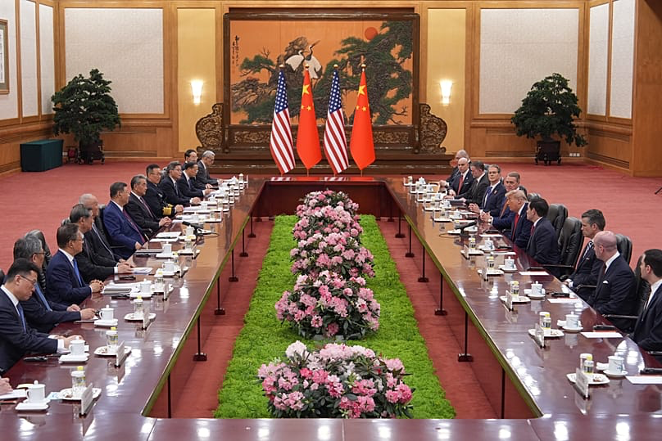
According to an official from the White House, the aim of the summit was to persuade China to open up further to American companies and to facilitate dialogue on critical economic issues such as trade barriers, artificial intelligence development, and geopolitical stability. However, most of these technology leaders already have business relations with China or operate within the country. The two leaders held bilateral meetings to address issues such as the war in Iran, Taiwan, rare earths, and artificial intelligence. The leaders reached an agreement to expand cooperation in the fields of trade and agriculture and exchanged views on the situations in the Middle East, Ukraine, and the Korean Peninsula. In subsequent hours, Xi stated that the Chinese and American economic and trade teams had achieved “generally balanced and positive results” in their meetings in South Korea on Wednesday. It was stated that the meetings aimed to ensure the sustainability of the fragile trade truce reached between the world’s two largest economies last October and to establish mechanisms for future trade and investments. Prior to his meeting with Xi, Trump used the expressions, “It is an honor to be with you. It is an honor to be your friend. Relations between China and the U.S. will be better than ever.” Xi Jinping, meanwhile, emphasized that the two superpowers should be “partners, not rivals.” Xi put forward the proposal: “A stable China-U.S. relationship is a great gain for the world. Cooperation benefits both sides, while conflict causes harm. We must be partners, not rivals.”
Despite a year-long trade war “truce” between the two countries since October 2025, they have imposed trade and investment restrictions on each other. On April 7, the People’s Republic of China put into effect a new law that establishes its power to penalize foreign firms that “undermine” the security of China’s industry and supply chains; this also includes complying with sanctions imposed on China or attempting to decouple from Chinese supply chains. The United States has implemented trade restrictions to reduce risks in supply chains and prevent the transfer of advanced technology to China. Furthermore, following the U.S. Supreme Court’s cancellation of Trump’s “reciprocal” tariffs in February under the International Emergency Economic Powers Act (IEEPA), the United States is conducting investigations into Chinese goods that could lead to new tariffs by the end of 2026.
For Trump, this trip serves more than one strategic purpose: stabilizing the fragile trade relations between the U.S. and China; protecting American supply chains; finding a solution to the growing Iran crisis; securing economic gains before domestic political pressure mounts; managing tensions over Taiwan; opening Chinese markets to U.S. technology and industry; and preventing the artificial intelligence race from becoming uncontrollable. The Trump administration has been grappling for months with rising energy prices, market instability, and economic pressures stemming from the ongoing conflict in Iran. Beijing controls a large portion of the world’s rare earth element supply chain, which creates a critical dependency for American defense systems, electric vehicles, semiconductor production, and advanced technology manufacturing. China’s recent export restrictions have revealed how vulnerable Western industries are to China’s control over minerals. This situation transformed the summit from a diplomatic event into an economic necessity. While headlines focused on trade and diplomacy, one of the most critical dimensions of the summit is artificial intelligence. The artificial intelligence race between the United States and China has turned into a new technological Cold War. At the center of this conflict lies the American chip giant Nvidia, whose advanced AI processors are now viewed as strategic assets rather than ordinary commercial products. The outcome of these negotiations could influence: global AI development, semiconductor markets, the military AI race, data infrastructure, cloud computing power, and future technology alliances.
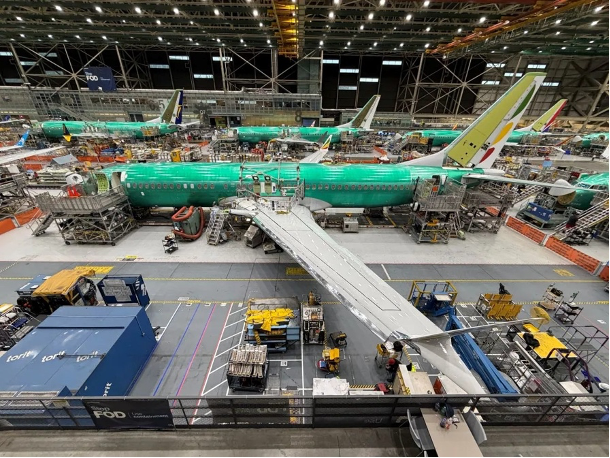
Jinping stated that facts have repeatedly shown there is no winner in trade wars, and he emphasized that economic and trade relations between China and the U.S. have developed on a win-win basis. Using the expression, “In situations involving disagreements and friction, consultation on the basis of equality is the only correct choice,” Xi noted that generally balanced and positive results were achieved in the meetings held yesterday between the economic and trade teams of the two countries, and that this is good news for both peoples and the world. Xi also called on both sides to maintain the positive momentum created through great efforts. Trump stated that during the talks, Xi promised not to send military equipment to Iran. Trump said, “But [Xi] also said they take a lot of oil from there [Iran] and want to continue doing so.” Trump indicated that China agreed to purchase oil from the U.S. and 200 Boeing aircraft. There has been no confirmation from the Beijing administration on these matters. However, it was noted that they are “working tirelessly” to put an end to the conflict in the Middle East.
The Taiwan Issue and the Strait of Hormuz
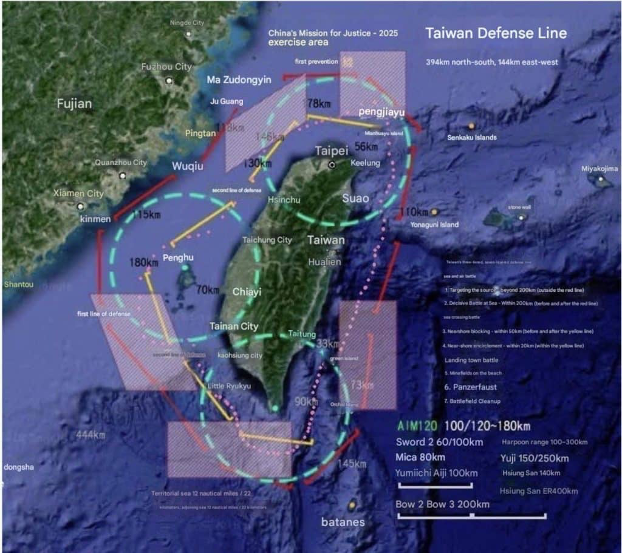
Regarding Taiwan, U.S. President Donald Trump emphasized that he is strictly against Taiwan’s independence. “I am absolutely against what they are doing. I think we have a good understanding on the Taiwan issue. He does not want to see an independence movement because that would mean a very harsh conflict. I listened to him until the end. I did not comment on it; I just listened,” Trump said. Mentioning that arms sales to Taiwan were also on the agenda, Trump signaled that Washington’s final stance had not yet been solidified, saying, “I will be the one to make the decisions. I have not made any deal regarding Taiwan.”
President Trump finds himself in an enviable position, seeking President Xi Jinping’s assistance in the Middle East. China is arguably the country with the greatest influence over Iran, and U.S. officials have repeatedly called on Beijing to use this influence during the ongoing war. However, Beijing’s response has remained cautious so far; the most notable intervention has reportedly been forcing Tehran to accept the ceasefire terms in April. Beijing has shown its support for Tehran during the war in two main ways: by continuing to purchase Iranian oil and by providing various covert aid to the regime’s military efforts. In addition to the long-standing practice of sending dual-use components for Tehran’s missile and drone programs, Beijing has facilitated aerial surveillance throughout the conflict, allowing Iranian forces to improve their intelligence on U.S. and allied targets. For instance, it has been reported that Iran has benefited from analysis and monitoring data published by Chinese geo-spatial intelligence companies (such as MizarVision) and has even leased the high-resolution Chinese intelligence satellite TEE-01B.
Stating that they have adopted a common stance on Iran, the U.S. President used the expressions, “We want the straits to remain open. We want this to end because the situation there is a bit crazy, a bit insane. This is not a good thing; it shouldn’t be this way.”
Xi’s “Venus flytrap” for Trump is Taiwan. Mr. Xi is seeking veto power over U.S. arms sales to the island and is pressuring [the U.S.] to formally “oppose” Taiwan’s independence, contrary to the current stance of “not supporting” it… However, despite all the subtle diplomatic wording, this shift would upend decades of U.S. policy that has maintained peace.
Trump has stated that the U.S. and China have “very similar thoughts” on ending the conflict, preventing Iran from acquiring nuclear weapons, and reopening the Strait of Hormuz. In addition to trade, the two leaders also appear to have made progress on the Iran war. Xi told Trump that Beijing is willing to assist in the mediation process to end the war and reopen the Strait of Hormuz.
Conclusion and Possible Developments
Beijing is influencing the world even faster than anticipated, from trade and technology to military strategy and diplomacy. President Trump’s visit signals this shift. Some analysts argue that the Iran war has unexpectedly strengthened Xi Jinping’s negotiating position, as the U.S.’s military and diplomatic focus has shifted largely to the Middle East, reducing America’s strategic flexibility in Asia.
According to a recently published U.S. secret intelligence report, China has gained a significant advantage over the U.S. during the Iran war. The report indicates that since the U.S. and Israel initiated the Iran war on February 28, China has sold weapons to U.S. allies in the Gulf who were struggling to defend their military bases and oil infrastructure. Furthermore, the report notes that the conflict has depleted large quantities of U.S. ammunition stocks, which would be critical in potential tension with China over Taiwan. By observing how the U.S. conducts its wars and learning how to plan its own future operations, Beijing has gained a significant strategic perspective. The report also highlights that China is working to erode the image of the U.S. as a responsible guardian of a rules-based international order, viewing the Iran conflict as a symbol of Washington’s reckless approach to military hostilities.
Regarding the internal political dimension, Trump’s visit did not fully satisfy market expectations. The 200 Boeing aircraft order was far below the expected 500, and Boeing shares fell more than 4%. Analyst Chim Lee remarked: “While the summit may be strategically reassuring from a market perspective, it could be a disappointment in terms of content.” The relationship remains characterized by high competition, high distrust, and low cooperation. Both leaders openly acknowledge this mutual distrust; for instance, Trump recently admitted, “We are spying on them, too,” regarding reciprocal intelligence operations. Meanwhile, it was announced that Vladimir Putin would visit China “very soon,” signaling that Moscow and Beijing are analyzing global developments together.