














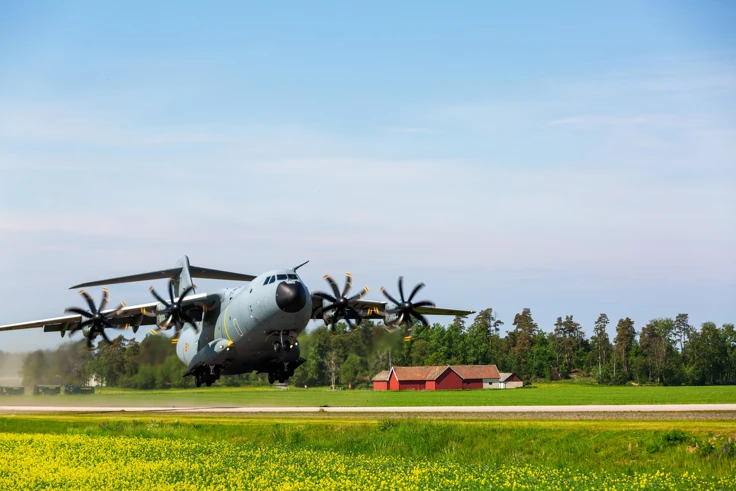
Imagine a military transport plane losing its runway. The airfield has been hit, the main runway is unusable. How does the aircraft deliver personnel, ammunition and supplies? This is where an A400M highway landing comes in. The answer lies somewhere most drivers pass over every day: the motorway.

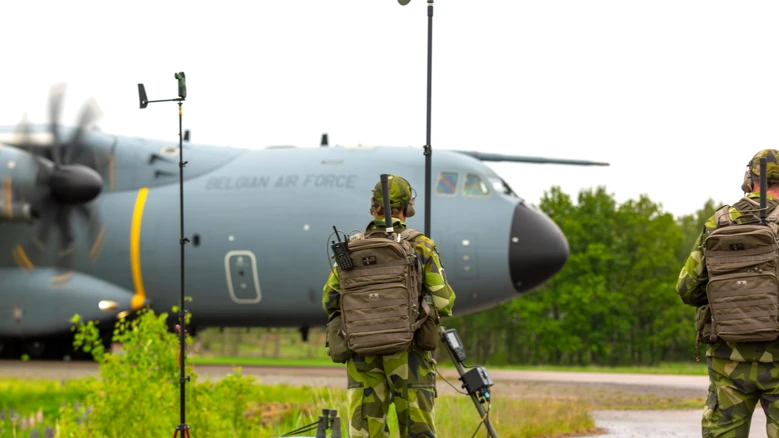
Belgium’s 15th Air Transport Wing conducted multiple landings on a motorway in Sweden during an exercise in June, using an A400M military transport aircraft to prepare for just such a scenario. The training, organised by the Swedish Air Force, was designed to test crews in conditions as close to real operations as possible.
The Need for Training in Unconventional Areas
The statement noted that recent conflicts have made airfields prime targets for military strikes. Even limited damage to runways can seriously reduce air transport capacity. For this reason, growing importance is being placed on A400M landing operations in unconventional areas such as abandoned airfields, temporary runways and motorway sections.
This approach aligns directly with the A400M Agile Combat Employment concept, which aims to prevent military air assets from depending on a single point and reduce their vulnerability to attacks. The goal is simple: not to confine aircraft to a single base, but to increase the ability to operate from different and unpredictable locations, including motorway landings.
Flexibility That Reduces Dependence on Civil Infrastructure
The A400M plays a key role in this strategy. The aircraft’s ability to conduct tactical landings on alternative surfaces reduces dependence on civil and military infrastructure while increasing operational resilience. As long as a location meets the necessary requirements in terms of size and ground bearing capacity, the A400M can safely land and take off from it. This makes it possible to rapidly deliver personnel, materials and logistics support to where they are needed.
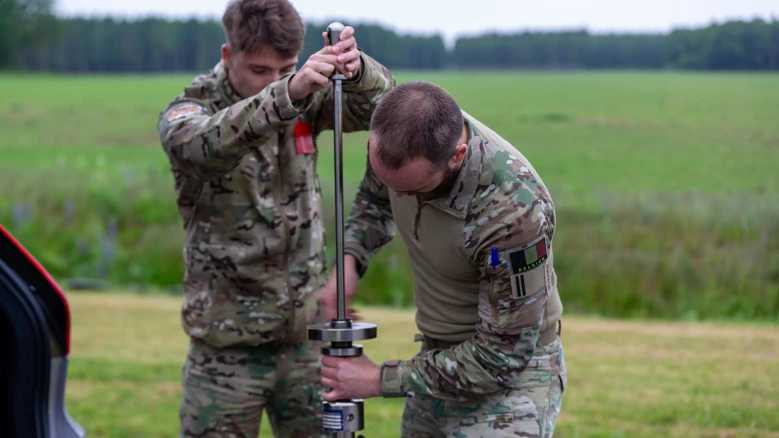
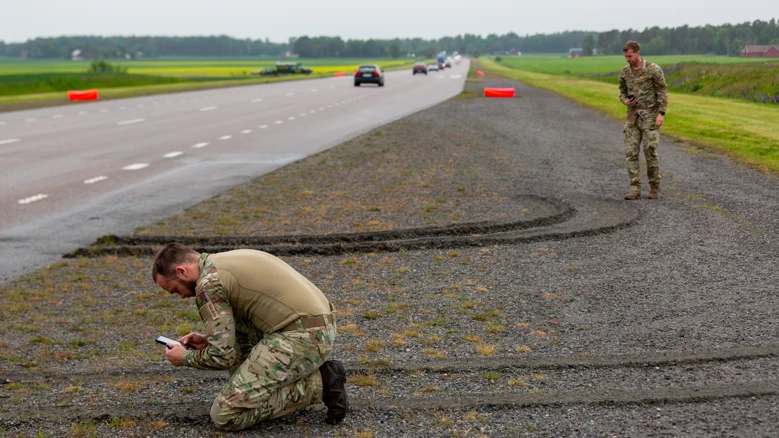
Before landing in an unknown area, specialist assessment teams from the Air Force and Special Operations Regiment survey the terrain to confirm its suitability and safety for A400M operations. Crews also need regular training on different surface types, including motorways, grass strips, beaches and snow covered surfaces.
The Scandinavian Experience: A400M Highway Landing Operations
Since Belgium does not have all of these training conditions, cooperation with allied nations is essential. While much of Europe scaled back motorway landing capabilities for military aircraft after the Cold War, Sweden and Finland continued to invest in motorway sections that support military training. These countries today have not only the necessary physical infrastructure but also the security arrangements, logistics support and emergency procedures to conduct these operations regularly.
Similar training could theoretically be conducted elsewhere in Europe, but it requires extensive preparation, terrain assessment and coordination. In Scandinavia, years of infrastructure and experience make motorway landing training much more efficient and realistic. These international exercises not only enhance the competence of participating crews but also strengthen interoperability, which is a cornerstone of NATO operations.
A Platform Without Borders
The A400M‘s mission envelope is not limited to motorway landings. The aircraft can transport personnel, equipment and supplies to distant locations, and can operate independently in evacuation and crisis operations when conventional airfields are unavailable. In such scenarios, roads, open terrain and even beaches can serve as landing sites.
What matters is not the type of surface the A400M lands on, but whether the mission can be carried out safely and effectively.
🔍 You may also like
Source: C4Defence– Belgian Ministry of Defence