







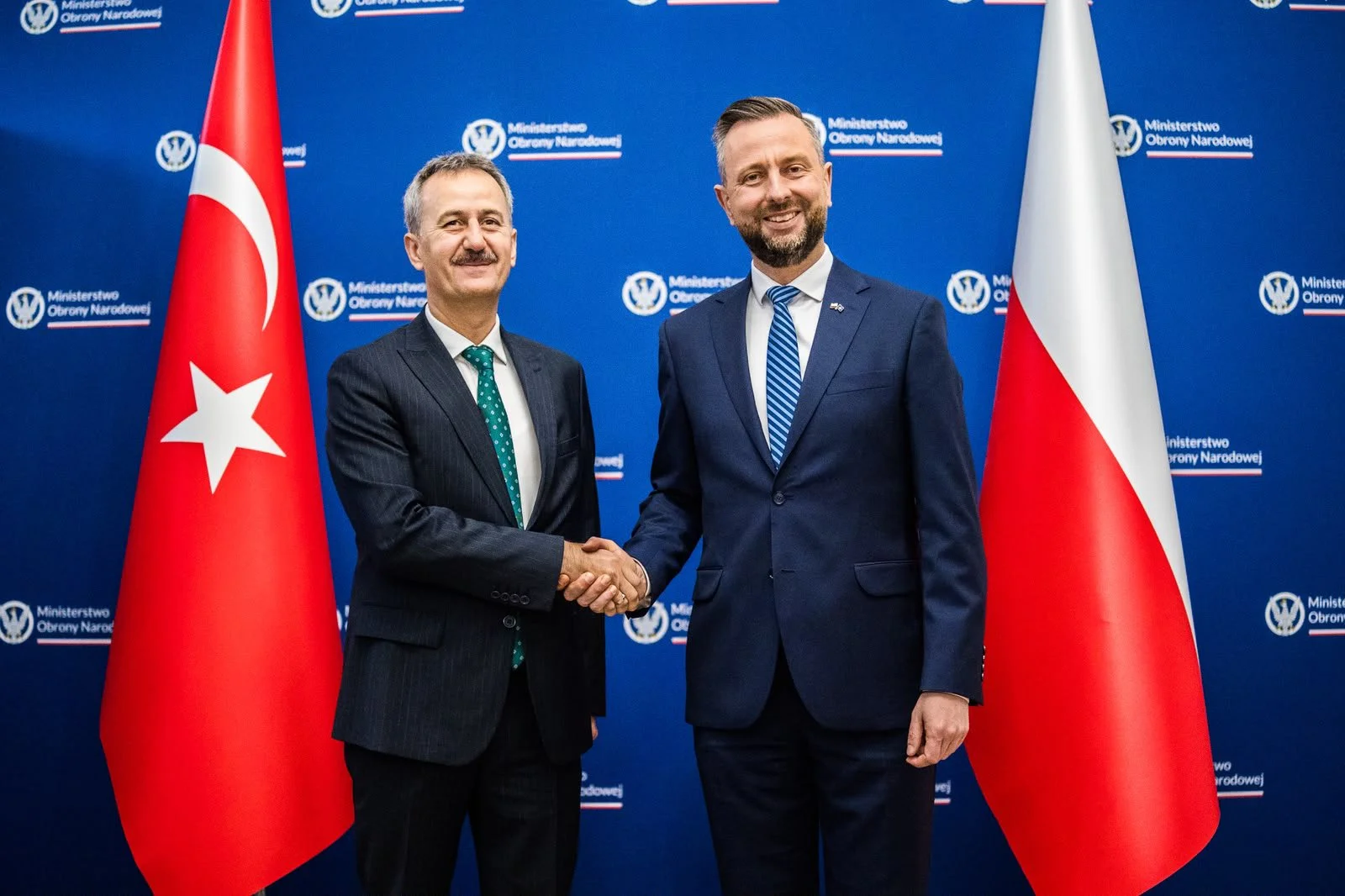
Türkiye is no longer just a supplier in NATO’s defence infrastructure – it’s becoming the epicentre of integrated solutions built around a “system of systems” approach. In an interview with Dr. Aleksander Olech from Defence24, Professor Dr. Haluk Görgün, head of the Defence Industry Agency, explained how Türkiye is offering its unique technologies – from unmanned aerial vehicles to air defence networks – to its allies through a cooperation model designed to boost the Alliance’s deterrence.

In that same interview, Görgün said they’ve moved Türkiye’s position within the Alliance from an “equipment supplier” to a “close partner”. He described the cooperation model they’re offering not just as platform sales, but as an end-to-end structure covering production, training, maintenance, modernisation, and local capacity building. This approach, he noted, shows that the Turkish defence industry operates in full alignment with NATO standards.
Next-Generation Capabilities in Air and Naval Power
Görgün highlighted the key programmes that will shape the next phase of the defence industry. Bringing KAAN, KIZILELMA, ANKA III, TB3, and layered air defence systems to the fore, he stressed that these projects are not independent of each other but parts of a larger whole:
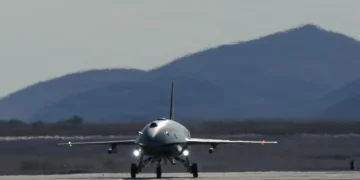
- KAAN: Not just a fighter jet, but a national technology framework encompassing system design, advanced materials, avionics, and sensor technologies.
- Unmanned Aerial Systems: KIZILELMA and ANKA III are bringing to life future air combat concepts where manned and unmanned elements operate together.
- Naval Aviation: With its ability to operate from short-runway naval platforms, the TB3 offers a new concept for countries seeking flexible and cost-effective solutions.
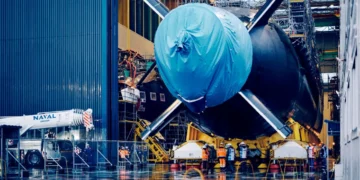
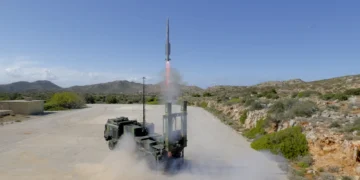
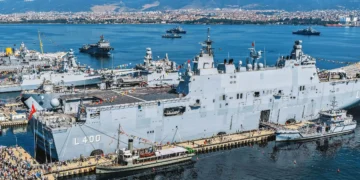
- Air Defence and Naval Systems: Drawing attention to the necessity of air defence, Görgün stated that work on radars, command-and-control networks, and indigenous warships strengthens both national defence and the potential for international cooperation.
System of Systems and Operational Integration
Because single platforms are being replaced by a “system of systems” approach on the modern battlefield, Türkiye’s technical capabilities are hugely important. In the run-up to the Ankara Summit NATO’s Transformation these capabilities are speeding up the adaptation the Alliance needs. Meanwhile, the fact that NATO’s biggest industry event will be held in Ankara cements Türkiye’s role in this vision. According to Görgün, having unmanned aerial vehicles, air defence systems, command-and-control networks, and the KAAN fighter jet operate in harmony with NATO networks is a major gain for the Alliance. Moreover, the high readiness level and long-range deployment capability shown by Turkish defence industry elements during the Steadfast Dart 26 exercise demonstrate proven operational strength on the ground. Electronic warfare, cyber resilience, and layered air defence systems stand out as unique solutions developed against the Alliance’s existing gaps.
Security Resilience Against Crises
At a time of growing global geopolitical risks, Türkiye is positioning its domestic capacity as a “guarantee” for its allies. Görgün noted, “You can import many things, but you cannot import security,” emphasising the importance of Türkiye’s industrial infrastructure, which reduces foreign dependency and ensures supply chain continuity during crises.
Describing the NATO Summit in Ankara as an opportunity, Görgün said Türkiye is presenting its allies with a vision centred on technological independence and encouraging mutually beneficial cooperation. He summed up Türkiye’s message to the Alliance as: “A stronger Turkish defence industry means a stronger Alliance.”
🔍 You may also like
Source: C4Defence–Defence24