
















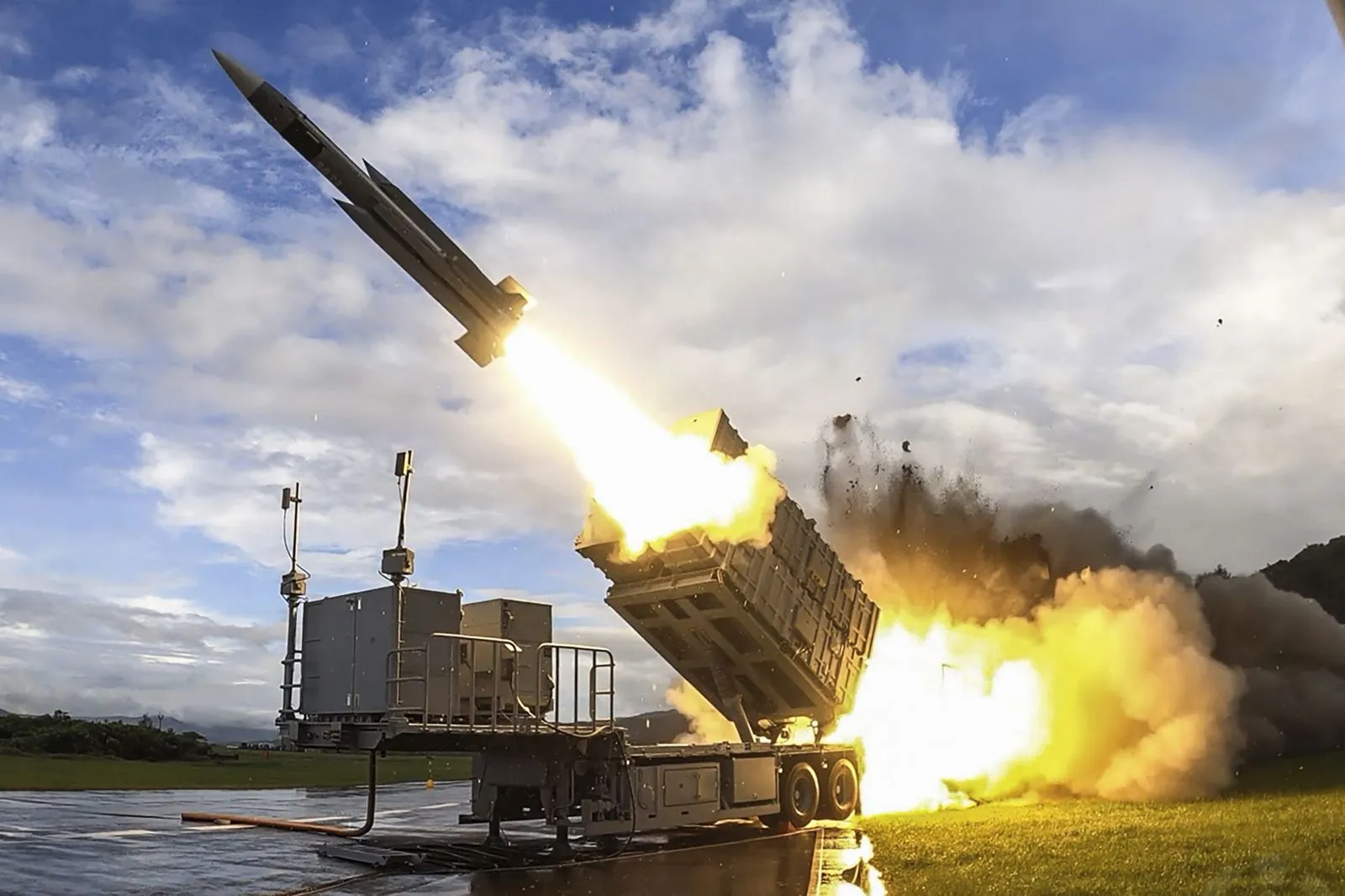
As part of its indigenous missile production strategy, the Taipei administration is ramping up the mass production of the Hsiung Sheng long-range land-attack cruise missile, designed to destroy fortified targets.

According to a report by Taiwan News, citing Nikkei Asia, the island’s indigenous missile production push has gained significant momentum due to global order backlogs and delivery risks within the US defence industry. This bottleneck underscores the critical importance of the share allocated to domestic projects under the previously approved Taiwan asymmetric defence special budget.
NCSIST Expands Production Capacity
Taiwan conducts its missile development and production activities through the National Chung-Shan Institute of Science and Technology (NCSIST), the primary state-funded defence technology organisation. Driven by escalating security concerns around the Taiwan Strait, the institute has invested heavily in new facilities and expanded production capacity, overseeing both the engineering and manufacturing phases of these strategic weapon systems.
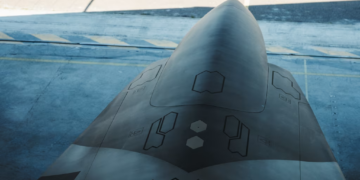
Prominent among these programs is the Hsiung Sheng long-range land-attack cruise missile, which claims the lion’s share of the taiwan indigenous missile production budget. According to available technical data, this missile was specifically engineered to penetrate hardened and heavily protected targets.
President Lai: “Domestic Development and Foreign Procurement Are Equally Vital”
According to the Youth Daily News, Taiwanese President Lai Ching-te stated that foreign arms procurement and domestic weapons development programs hold equal strategic importance. Lai emphasized that Taiwan must pursue both avenues concurrently to reinforce its defence posture. From Taipei’s perspective, the objective of ramping up domestic output is not to replace US military sales, but rather to complement them. The ultimate goal is to establish a more resilient and self-sustaining munitions supply chain at a time of heightened regional security risks.
US Defence Industrial Strain Impacting the Region
This surge in production comes at a time when US defence contractors are struggling to scale up missile production rapidly enough to meet surging global demand. US munitions stockpiles are under severe pressure due to ongoing military operations in the Middle East and sustained security assistance provided to Israel and Ukraine.
Consequently, while accelerating its domestic assembly lines, Taiwan continues to closely monitor the delivery schedules of pre-committed foreign sales, including the Taiwan Stinger missile delivery and the Taiwan F-16 Block 70 delivery timelines, both of which remain vital for the island’s airspace defence.
This industrial bottleneck has fueled widespread concerns among US allies in Asia regarding potential delivery delays. Japan and Australia are currently waiting for US-made Tomahawk cruise missiles. In response to these market dynamics, Japan, South Korea, and Australia are also aggressively expanding their domestic missile manufacturing bases. While some of these regional initiatives leverage US designs under license, others rely entirely on sovereign, indigenously developed technologies.
Supply Bottlenecks and Restrictions Persist
Defence analysts interviewed by Nikkei suggest that a more robust taiwan indigenous missile production infrastructure could mitigate reliance on US arms supplies during a regional contingency. However, persistent shortages of critical components and stringent US technology transfer restrictions continue to slow down the integration and progress of several domestic programs.
🔍 You may also like
Source: C4Defence -Taiwan News