

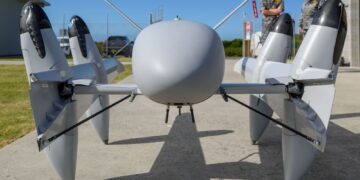











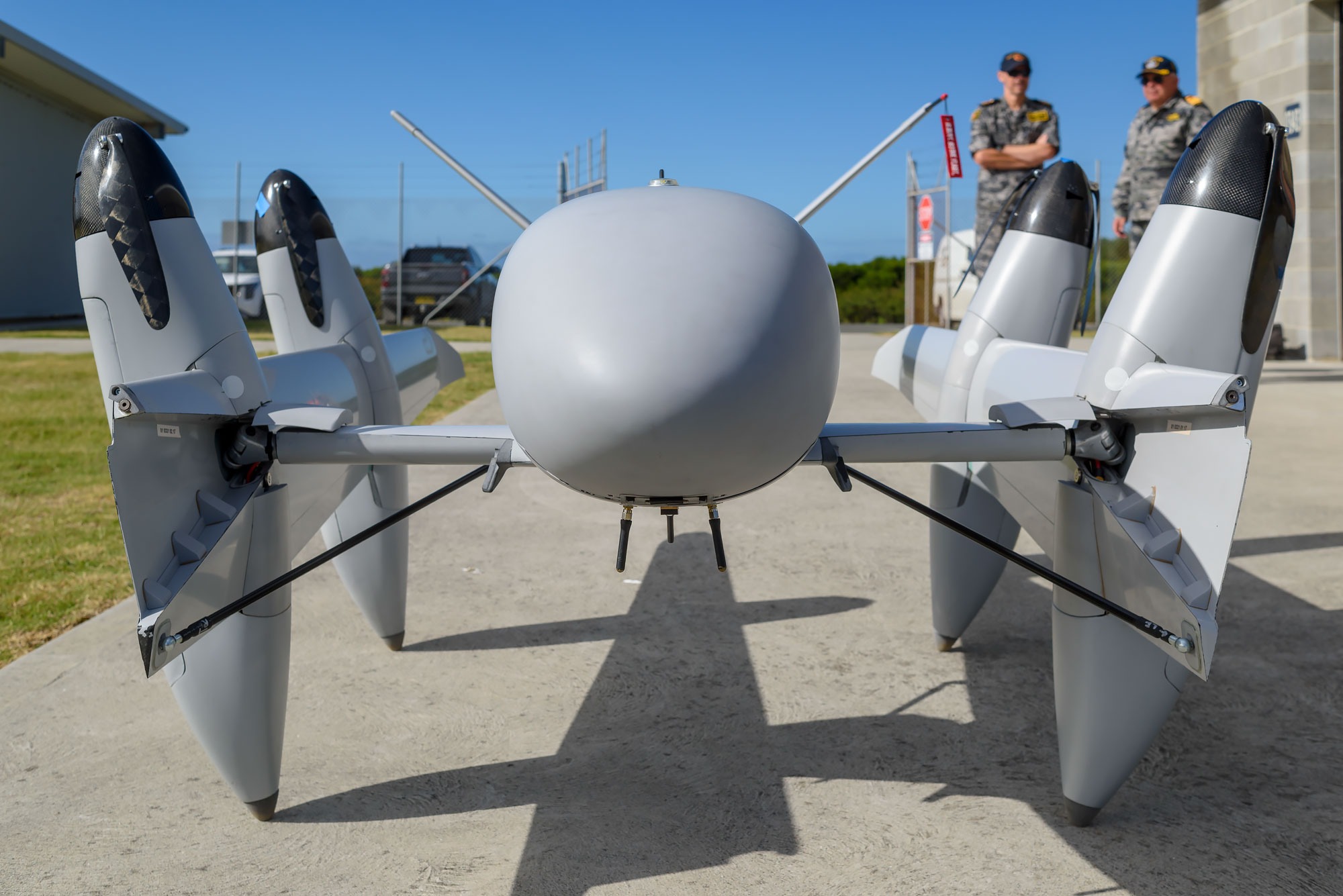
The innovative Transwing VTOL drone, which folds its wings to make a smooth transition between vertical takeoff and fixed wing horizontal flight, is becoming the new autonomous logistics workhorse for the Royal Australian Navy. US based PteroDynamics has opened a new era in naval logistics with this delivery. The company also signed its first ever international defence sales contract.

The contract, signed under the Royal Australian Navy’s strategy to modernise naval logistics operations with autonomous systems, covers the supply of P4 Transwing drone platforms, user training and technical support services. Another strategic clause in the agreement gives the RAN the option to add larger scale P5 Transwing systems to its inventory. Those systems have a maximum takeoff weight of 145 kilograms and deliveries are set to begin in 2027.
Operational tests at Beecroft Weapons Range and Regional Cooperation
🔍 Related News: Autonomous Leap from the Royal Australian Navy: MASU Unit Established
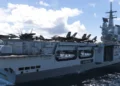
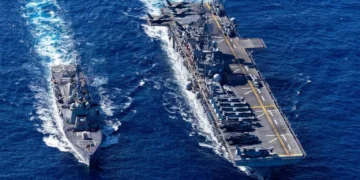
The contract decision came after comprehensive operational demonstrations carried out at Beecroft Weapons Range in April 2025 with the participation of Australian Defence Force and navy personnel. During tough naval and land tests, the P4 Transwing platform proved its operational capability in terms of endurance, cruise speed and instant high climb performance, as well as autonomous load drop and pick up capabilities in tight spaces like frigate and aircraft carrier decks.
PteroDynamics CEO Matthew Graczyk pointed to the changing geopolitical dynamics of the Indo Pacific region in the context of the AUKUS security partnership and noted that Australia is leading the way in autonomous drone solutions for naval logistics. On the Australian side, Rear Admiral Catherine Rhodes, Director General Logistics, emphasised that this partnership is taking defence and technology integration between the two allied nations to the highest level.
Patented folding Wing Technology and Technical Capability
The Transwing platform stands out with its patented wing folding geometry, which eliminates the wind sensitivity of traditional multirotor systems and the large runway requirements of fixed wing drones. This unique design provides high wind tolerance in rough sea conditions while taking up minimal space on ship decks. Following the 41 kilogram P4 model, deliveries of which begin in spring 2026, the optional P5 variant can achieve a range of over 740 kilometres with a 23 kilogram payload capacity and a cruise speed of 70 knots.
The biggest handicap for drones that take off and land vertically on naval platforms is the aerodynamic loss they suffer when transitioning from hover mode to horizontal flight. PteroDynamics’ Transwing technology solves this by mechanically changing the wing angle according to the flight phase, optimising fuel and energy efficiency. Australia’s choice as an AUKUS member also carries the potential to standardise distributed naval logistics concepts for allied navies in the future.
Latest Defence News
Defence Industry Systems | Latest News
Source: C4Defence– PteroDynamics