

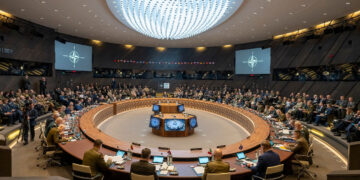
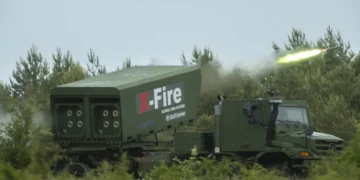
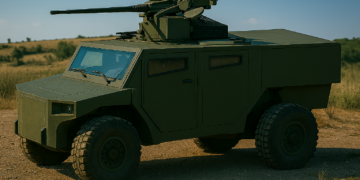






SAHA EXPO 2026 demonstrates that defence exhibitions are no longer just events where new platforms are showcased. The changing security environment, the accelerating technology race, and the new level of global competition are turning these events into platforms where production capacity, technological capabilities, strategic orientations, and international power relations become visible

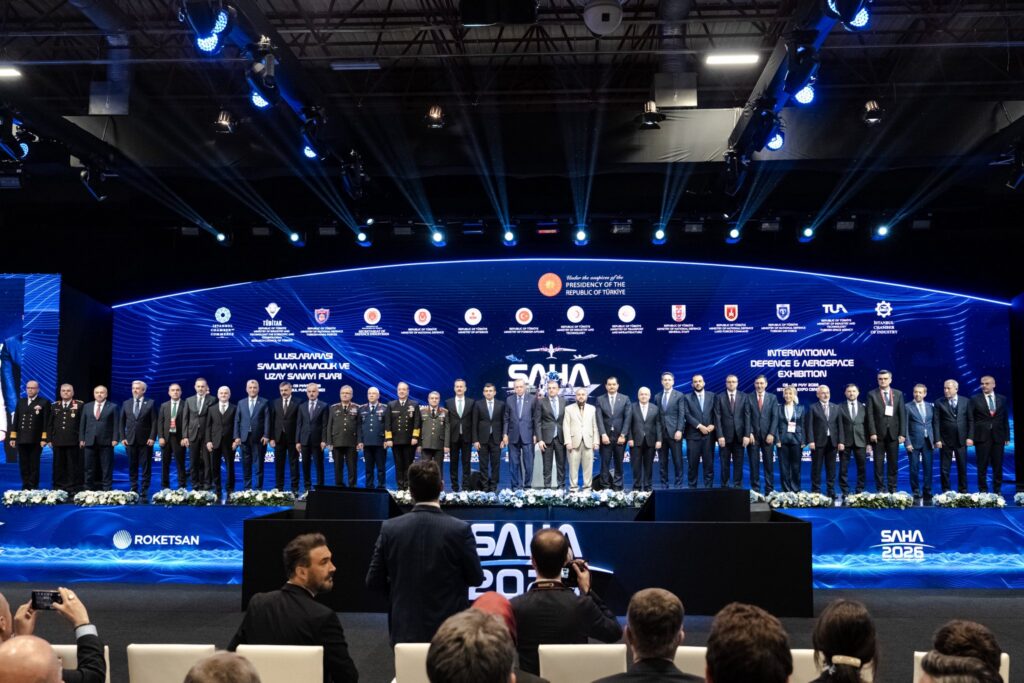
Held at the Istanbul Expo Centre between 5–9 May 2026, SAHA EXPO 2026 was one of the most striking examples of this transformation. Now in its fifth edition since 2018, the organisation has moved beyond being just a growing exhibition. It appears to have turned into a structure that resonates on an international scale, reflects the industry’s trends and is beginning to carry its own weight.
Organised by SAHA Istanbul positioned as Türkiye’s and Europe’s largest industrial cluster this year’s fair stood out from previous editions not only by its physical size, but also by its intense agenda, international participation, technological diversity and the overall atmosphere it created.
From Platform Launches to Operational Integration
The most noticeable element at the fair was that the industry seems to have largely moved past the “new platform introduction” phase. While the main attraction just a few years ago was often the public debut of a system, the focus today is on production capacity, delivery continuity, operational integration and interoperability between platforms.
Bringing together land, air, naval, space, cyber security, electronic warfare, artificial intelligence and unmanned systems under one roof, the event made it clearer than ever that the industry is shifting from developing individual platforms towards producing solutions that ensure operational integrity.
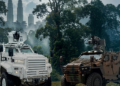
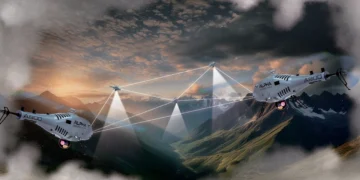
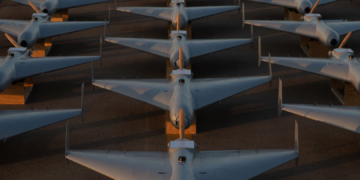
Among the most popular areas at the fair were FPV drone solutions, swarm system concepts, unmanned ground vehicles, anti‑drone platforms and network‑centric command‑and‑control infrastructures. The most discussed topics in the corridors were unmanned systems, electronic warfare solutions and AI‑supported operational capabilities.
It was striking that many exhibitors presented their systems not only through technical specifications, but also through their interoperability with different platforms, operational use cases and role distribution in the field. Demonstrations focused on real‑world operational scenarios showed that the transformation in defence industry has moved beyond theoretical technology discussions and is starting to reflect directly on field conditions.
Today’s battlefield is shaped not only by the technical power of individual platforms, but also by data flow, electronic superiority, network‑centric structures, autonomy and cross‑platform coordination. The overall picture that emerged during the fair also showed that the industry’s direction is no longer limited to developing single platforms, but is evolving towards producing systems that can operate together within the same operational framework.
The Yıldırımhan Missile and Expanding Technology Landscape
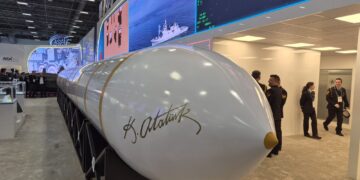
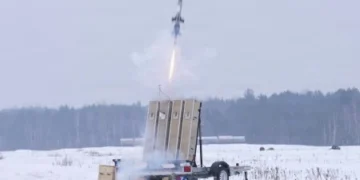
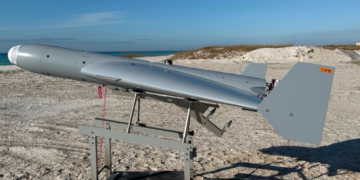
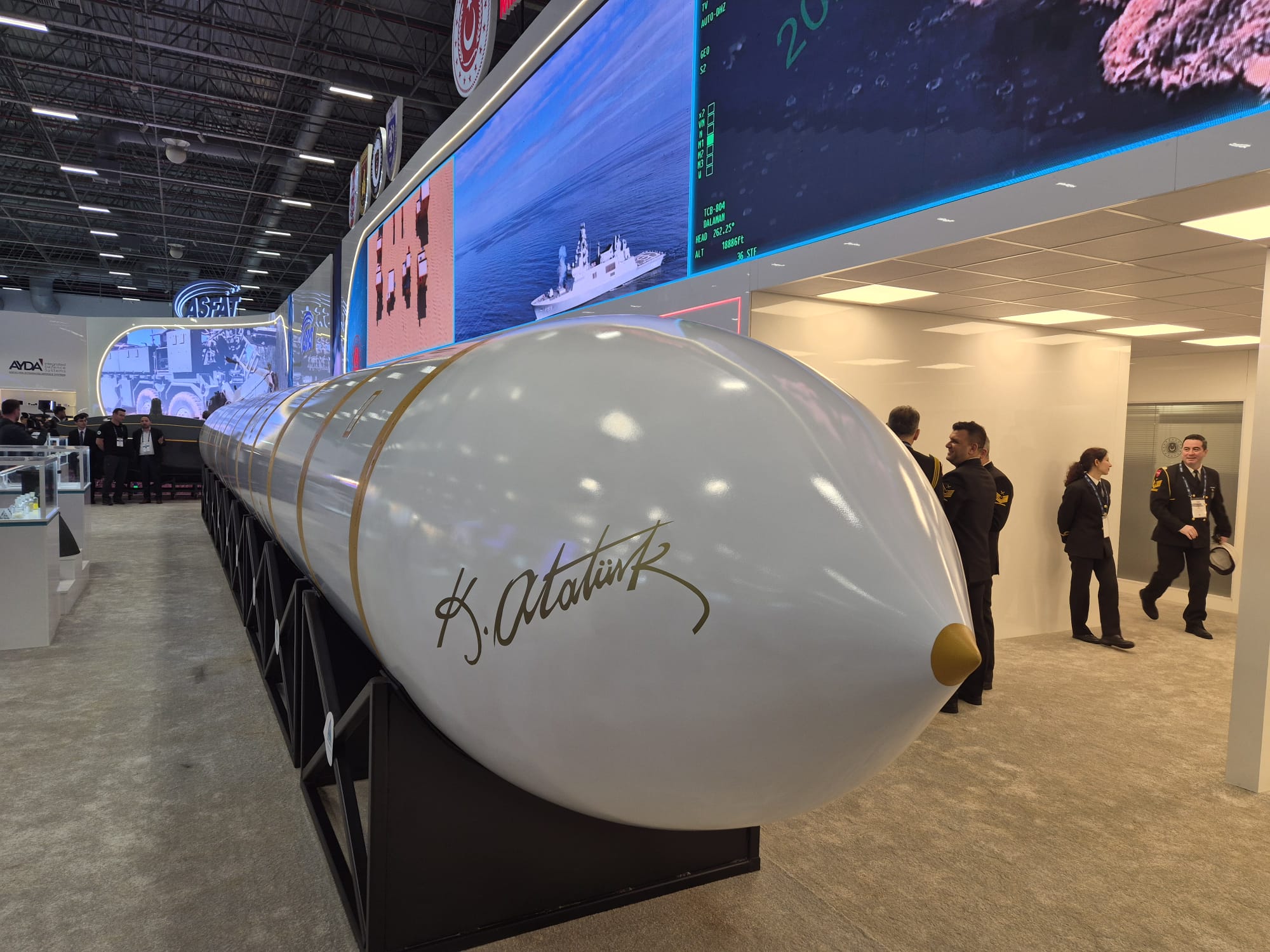
One of the most talked‑about topics at the fair was the Yıldırımhan ballistic missile, developed by the MSB R&D department. The system drew intense interest from both industry representatives and international visitors throughout the event.
The level of interest cannot be explained by technical specifications alone. The attention the system received indicates that Türkiye is now moving towards building a more visible capability not only in tactical platforms and UAVs, but also in long‑range, high‑impact capacity and strategic deterrence.
Having said that, some caution is warranted. Independent verification of technical parameters, range and guidance capabilities is still limited, and the data available to the public largely relies on official statements. Given that similar missile programmes can take many years between the development phase and operational maturity, a measured optimism offers a healthier assessment.
On the other hand, the intense interest throughout the fair also signalled a broader transformation. The international visibility that has mostly centred on UAVs in recent years now appears to have expanded across a much wider technology spectrum – including electronic warfare systems, next‑generation munitions, air defence solutions and network‑centric operational capabilities.
This picture also showed that the transformation in defence industry can no longer be read solely through prime contractors. It was noticeable that the structure – ranging from SMEs to start‑ups, subcontractors to academic institutions – became more visible throughout the fair. The increasing visibility of companies working in electronics, software, autonomy and sub‑system development shows that the industry is progressing towards an ever‑deepening structure.
International Delegations and Industry Sustainability
The transformation generated by the event was evident not only in the technology sector but also in the volume of trade and the intensity of international engagement. Over the course of five days, the organization hosted nearly 150,000 visitors, facilitated approximately 29,000 B2B meetings, and announced a total agreement volume of $26.5 billion across 216 signing ceremonies. It was reported that approximately $8 billion of this total consists of export-oriented agreements.
It is well known that not all economic figures announced at defence exhibitions necessarily translate directly into near‑term operational business volume. Letters of intent, framework agreements and early‑stage cooperation protocols are often included in these totals. Therefore, a degree of caution is needed when evaluating the announced numbers. Nevertheless, the overall intensity presents a remarkable picture of the scale the organisation has reached.
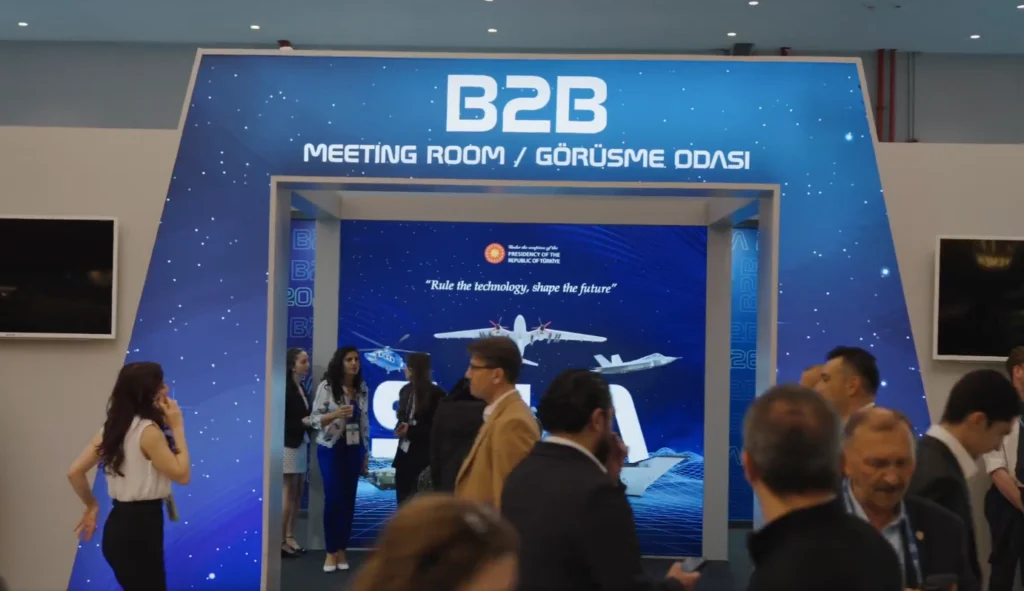
The number of B2B meetings, the signing ceremonies and the density of international contacts showed that the event has moved beyond being just a product exhibition. The fact that B2B meetings, forecast at around 25,000 before the fair, approached 29,000, and that the planned 150 signing ceremonies reached 216, indicates that the organisation’s commercial interaction capacity exceeded expectations. The resulting picture shows that the fair has become a structure capable not only of providing visibility but also of generating direct business development, exports and international cooperation.
Another notable aspect was the significant increase in the level of international participation. The intense interest from foreign delegations from the very first days clearly demonstrated that the fair is no longer just a regional event but has gained wider international visibility.
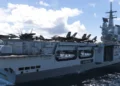
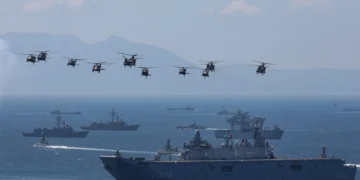
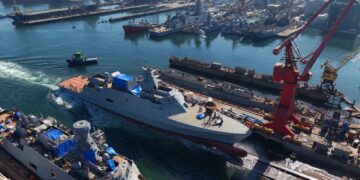
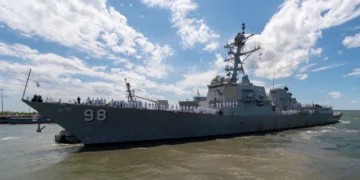
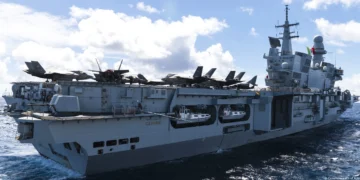
The strong interest around TCG Anadolu and TCG Istanbul, official delegation visits and the large public turnout also showed that the organisation has evolved into a more comprehensive structure addressing not only industry professionals but also the general public and international decision‑makers.
Today, the defence industry is assessed not only by production capacity but also by its international networks, technology partnerships, export relationships and diplomatic footprint. The picture that emerged at the fair formed one of the most visible examples of this multi‑dimensional structure.
This is where one of the key differentiating elements of the organisation lies. The ability to bring together a broad ecosystem – from prime contractors to SMEs, from start‑ups to academic institutions – on the same ground gives the fair not only commercial but also structural strength.
The overall picture that emerged during the fair shows that the level Türkiye’s defence industry has reached can no longer be explained solely by new platforms. When production scale, technological diversity, export capacity and international visibility are taken together, the industry appears to be moving towards a more integrated, more organised and more sustainable structure. That said, issues such as sustainable production capacity, supply chain depth and reducing foreign dependency in high‑technology areas remain important for the industry.
The resulting picture reflects a larger transformation that has been built step by step in recent years. Türkiye’s defence industry is moving towards a more integrated structure that can ensure production continuity, bring different technologies together within a common operational framework, and generate global demand.
What remains behind is not just new products, signing ceremonies and crowded booths. A more productive, more organised defence industry structure with more clearly defined strategic goals is now far more visible. When the current scale and international visibility of Türkiye’s defence industry are considered together, it is clear that the sector has become an actor followed more closely well beyond regional borders.
🔍 You may also like
Source: C4Defence