





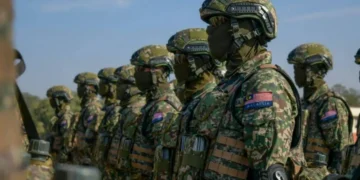





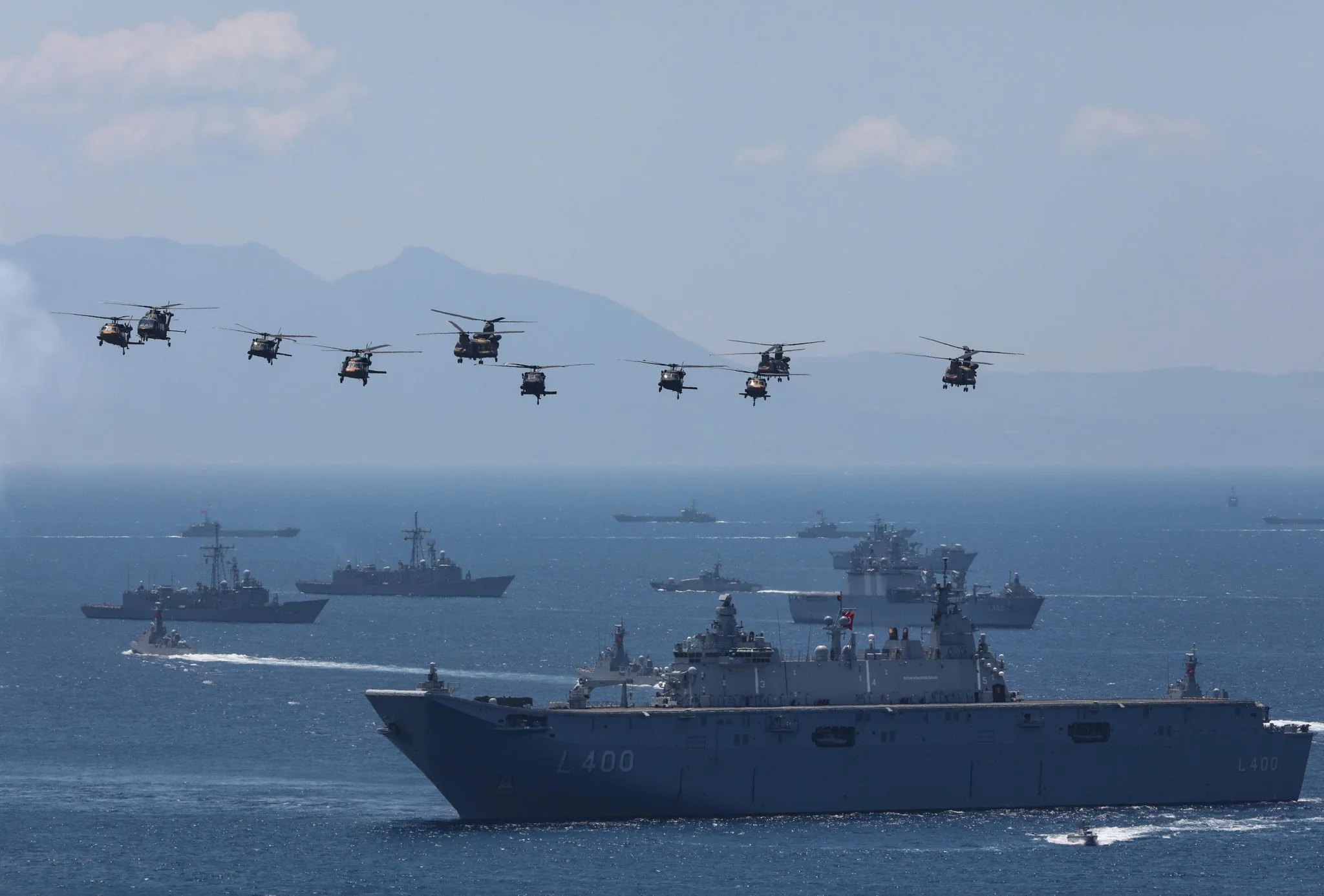
Hosted by Türkiye and conducted under the command of the Aegean Army, the EFES‑2026 exercise marked a technological shift in multinational joint warfare concepts, with domestic laser weapon systems and kamikaze swarm drones taking to the field for the first time. The exercise, Türkiye’s largest combined‑joint drill, brought together more than 10,000 personnel from 50 countries, with land, naval and air units operating simultaneously.

EFES‑2026 was carried out in two phases: the computer‑assisted command post phase in Istanbul from 11–17 April 2026, and the live‑fire field phase in the Gulf of İzmir and the Doğanbey Training Area from 20 April to 21 May 2026. Of the 50 participating nations, 23 contributed active units.
The list of participating countries included: Germany, the United States, Albania, Azerbaijan, Bahrain, Bangladesh, the United Arab Emirates, the United Kingdom, Bosnia and Herzegovina, Brazil, Bulgaria, the Czech Republic, France, Guinea, Georgia, Croatia, the Netherlands, Sweden, Italy, Japan, Canada, Kazakhstan, Qatar, Kyrgyzstan, North Macedonia, Latvia, Lithuania, Libya, Hungary, Malaysia, Egypt, Mongolia, Niger, Uzbekistan, Pakistan, Poland, Portugal, Romania, Rwanda, Senegal, Slovenia, Somalia, Syria, Tanzania, Tunisia, Uganda, Vietnam, Zambia, Zimbabwe and Türkiye.
Joint Operational Capability and the Role of TCG Anadolu
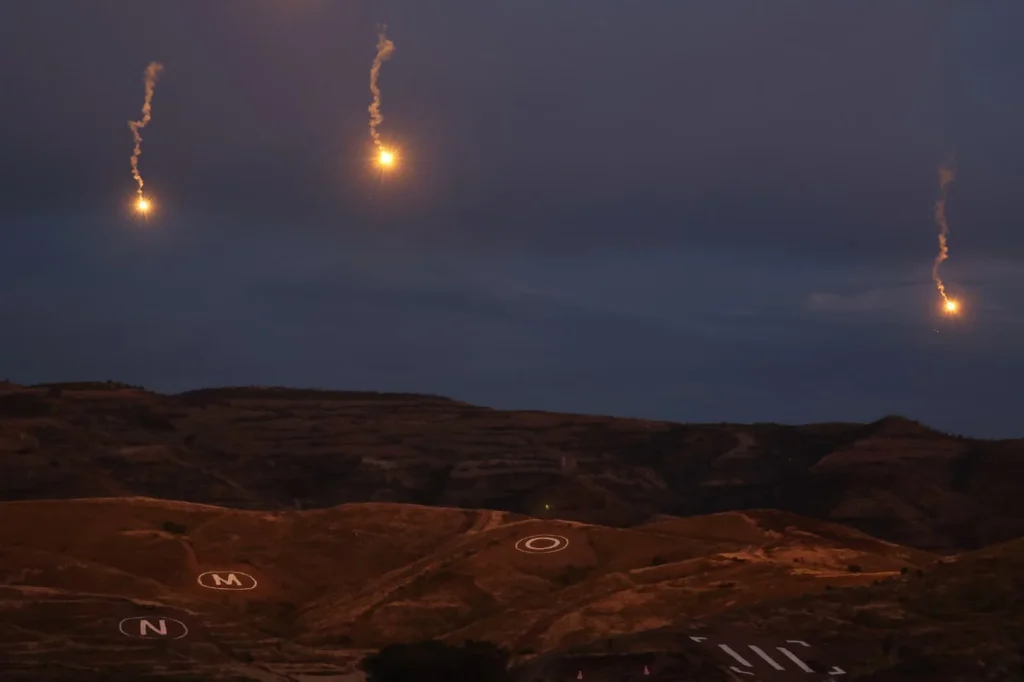
National Defence Minister Yaşar Güler, Chief of General Staff General Selçuk Bayraktaroğlu, force commanders, Defence Industry Agency President Professor Dr. Haluk Görgün and Deputy Defence Minister Salih Ayhan arrived at Doğanbey. The defence ministers of Azerbaijan, Georgia and Bosnia and Herzegovina also watched the night‑time live firing. Senior military officials from many countries observed the exercise.
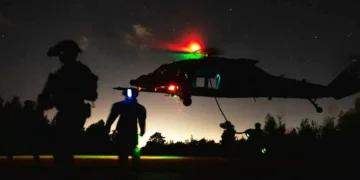
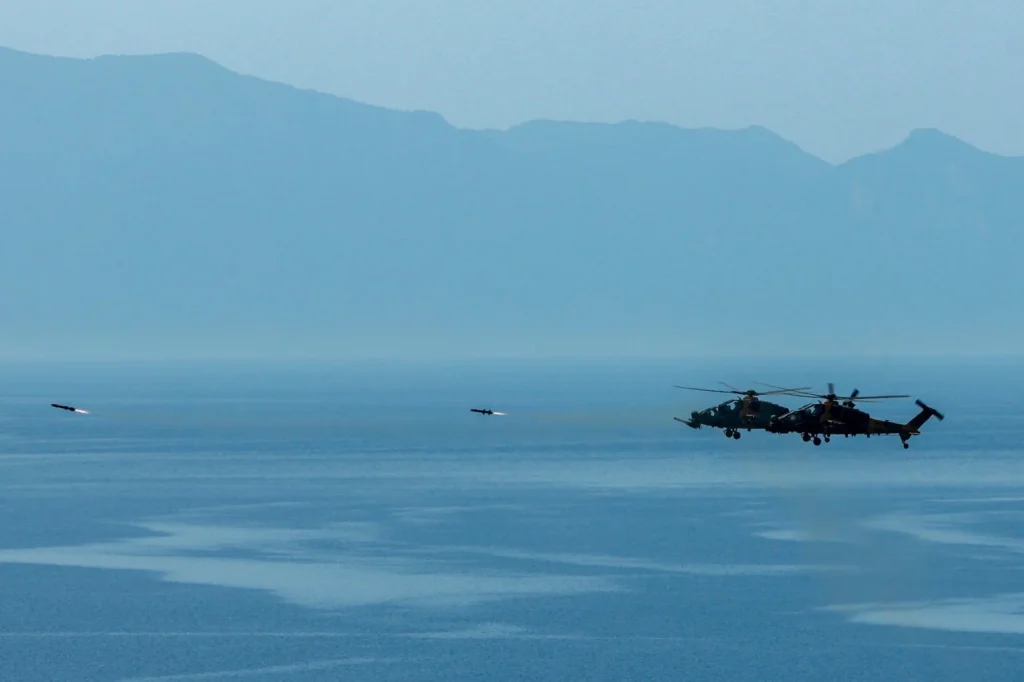
During the night phase, simultaneous operations were conducted from land, sea and air. T129 ATAK helicopters scored direct hits on designated targets with CİRİT missiles. The scenario, which included swarm drones, special forces infiltration operations, attack helicopters and fighter jets, concluded with engagement by air defence systems. In the day phase, the operation began with a TB3 UAV taking off from TCG Anadolu and included naval gunfire support, amphibious landing, submarine detection and an Aksungur UAV firing.
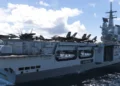
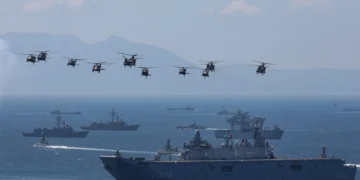
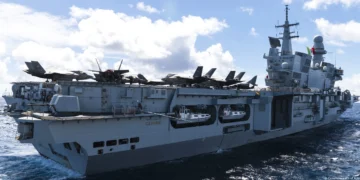
Before the Distinguished Observer Day, TCG Anadolu’s capabilities were demonstrated off the coast of Urla, İzmir. A UAV was lifted to the flight deck via elevator, while amphibious marines boarded Armoured Amphibious Assault Vehicles (ZAHA) for the landing operation. Personnel aboard the ship were transferred to an SH‑70 Seahawk helicopter, and AH‑1W attack helicopter pilots conducted landing and take‑off training.
Emerging Technologies and Digital Transformation
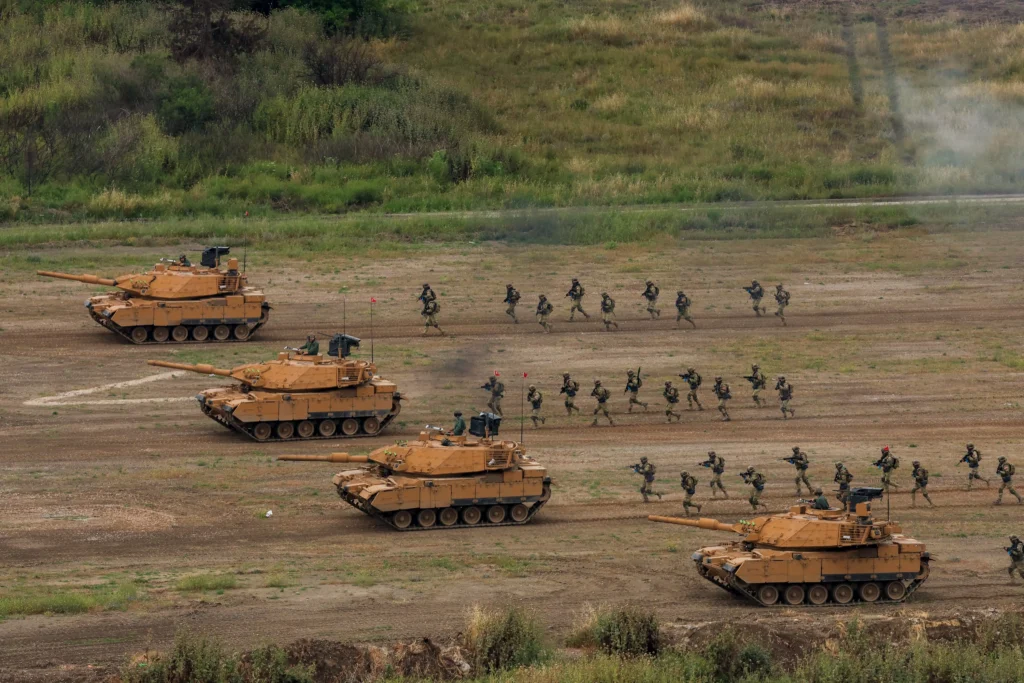
At EFES‑2026, dozens of weapons and systems in the Turkish Armed Forces inventory were used for the first time. In addition, laser weapon systems, kamikaze swarm drones and electronic attack systems planned for future induction were also deployed during the exercise.
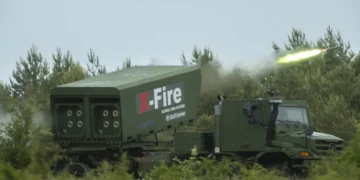
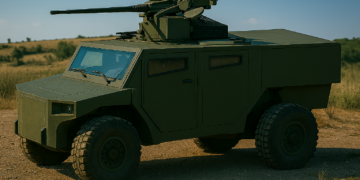
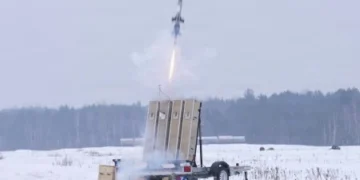
Among the systems used for the first time in the EFES‑2026 exercise were: the GÖKBEY helicopter, the M‑60 T1 tank, the Panter and Boran howitzers, TRLG‑230 and Sungur missiles, Tayfun, Hisar‑A and Hisar‑O air defence missile systems, the KORKUT air defence weapon system, the 35mm modern towed gun, the Kalkan air defence radar, the İhtar counter‑UAV system, the Armoured Tactical Vehicle Remote Controlled Weapon System (ZTA‑UC), the KARAOK anti‑tank weapon, the UMTAS anti‑tank missile, special purpose tactical wheeled armoured sensor reconnaissance, radar, command and CBRN vehicles, the SARP‑turreted improved armoured personnel carrier, the KARAYEL rigid‑hulled boat, the Mechanical Mine Clearing Equipment (MEMATT), the Vehicle‑Mounted Mine/IED Detection System (AMMTS), the ALKAR 120mm mortar weapon system, the GEZGİN satellite terminal, Fire Support and Direction (ADY) systems, the TARAS‑II radio link system, the Electronic Circuit IED Detection and Disposal System, the Armoured Fuel Tanker, the CBRN decontamination drone, the ASLAN IKA, paramotors, motorcycle commando teams, Dragoneye‑2, DORUK‑2 electro‑optical sensor systems, urban search and rescue vehicles, Explosive Material Reconnaissance and Disposal (PMKİ) vehicles, mobile dental units, portable field units, container dog kennels, and TEBER and MAM‑T UAV munitions.
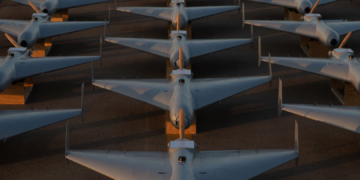
Various weapons and systems planned for future induction were also used for the first time in the exercise, including the Portable Electronic Attack (MİLKAR‑A) system, the ALKA laser weapon system, MAGAS‑E, the TOLGA short‑range air defence system, the GÖKBERK laser weapon system and kamikaze swarm drones.
EFES Exercise From Past to Present
EFES‑2024 was held between 25 April and 30 May with approximately 11,000 personnel from 45 countries. EFES‑2026 was held in the Gulf of İzmir and Doğanbey with more than 10,000 personnel from 50 countries.
EFES‑2026 was notably different from previous editions due to the use of the Land‑Network KOCATEPE Battle Management System, an AI‑supported analysis application within the Military Decision‑Making Process (AKVES), the JTLS‑GO simulation system and advanced operational methods. Within this scope, the Simulation‑Supported Command Post (SDKY) phase, conducted on a 24‑hour basis, together with the AKVES training phase lasted a total of two weeks.
Beyond the computer‑supported phase held in Istanbul and the increase in participant numbers, the first‑time deployment of AI‑supported command systems, laser weapons and kamikaze swarm drones constituted the most significant technological differences of EFES‑2026.
Finale with Distinguished Observer Day
As part of technology activities, an exhibition was opened in Doğanbey, Seferihisar, featuring 55 defence industry companies. The exhibition also included the top 10 projects from a university‑level project competition on “EFES‑2026 Defence Science and Technologies”, which received 292 applications from 69 universities. On 21 May, the Turkish Stars aerobatic team performed a demonstration flight.
After the night and day phases, EFES‑2026 concluded successfully with the Distinguished Observer Day attended by President Recep Tayyip Erdoğan.
The exercise, which showcased the Turkish Armed Forces’ combat readiness and the advanced level achieved by the domestic defence industry to international participants, validated the TSK’s technology‑driven new warfare doctrine. With domestic systems deployed in the field, EFES‑2026 clearly demonstrated its vision for the future battlefield.
🔍You may also like
- ASPİLSAN Energy Stands Out with Energy Solutions at EFES‑2026
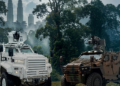
- Nurol Makina’s Armoured Vehicles at the EFES‑2026 Exercise
- Domestic Software BERTUĞ at the EFES‑2026 Exercise
Source: C4Defence