









Key Highlights
- NATO meetings in May 2023 are rebalancing the military equilibrium between Europe and the United States.
- Russia’s situation in the Ukraine war is accelerating NATO’s military preparations.
- NATO is developing new strategies in artificial intelligence and cyber warfare.
- The US is calling for a more independent NATO while increasing its security responsibilities in Europe.
- The Ankara Summit is set to be a historic event that will accelerate NATO’s transformation processes.
The Ankara Summit, to be held in July, carries significant weight for NATO. The NATO Chiefs of Defence meeting on 19 May, followed by the NATO Foreign Ministers’ meeting in Helsingborg, Sweden, on 21‑22 May, marked a turning point for the Atlantic Alliance.

Beyond diplomatic statements, a clear reality is now emerging: while the Alliance is preparing for a long‑term strategic confrontation with Russia, it is also restructuring the military and structural balance between Europe and the United States.
It seems inevitable that Russia will either “end” the war in Ukraine or partially freeze it in the near future. In this conflict, which has been ongoing since 2014 and escalated in 2022, both sides are exhausted and neither has been able to gain a decisive advantage over the other. But this should not mislead us, because both sides have taken their warfare capabilities to an unprecedented level by experiencing the conditions, contours and doctrinal shifts of modern warfare. We see this reflected in NATO exercises involving Ukrainian troops as well. As noted before, the Russian military’s preparations and the large‑scale, rapid production of modern weapon systems by its defence industry are tangible evidence of this transformation.
Alliance Focuses on War Preparations
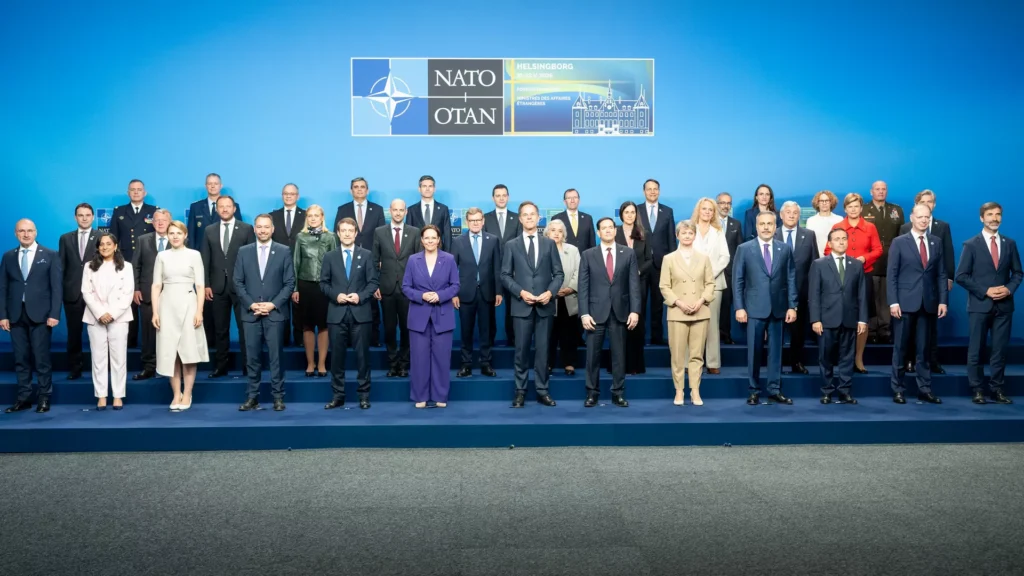
Speaking at the foreign ministers’ meeting held in Sweden, NATO Secretary General Mark Rutte stressed the need to prioritise the urgent increase of military capacity, faster weapons production, the drafting of new regional defence plans, and a more responsive chain of command.
In Rutte’s view, the aim is “to ensure that defence budgets translate into real military capability.” This approach shows that NATO is no longer just an alliance that provides political deterrence, but a structure actively engaged in military preparation.
The Alliance’s emphasis on the defence industry and the rapid integration of the evolving battlefield’s new requirements into military structures make it necessary to update strategic plans.
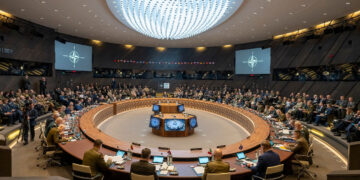
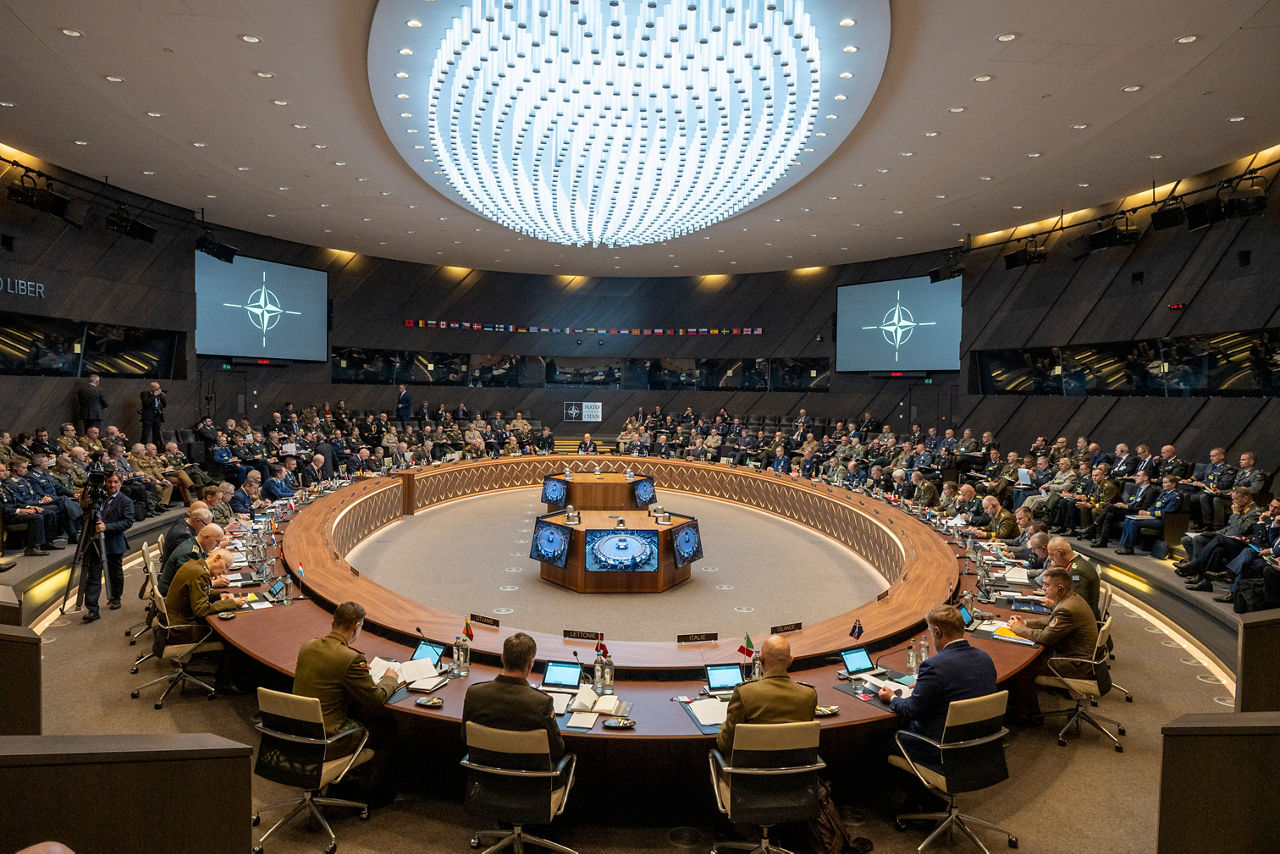
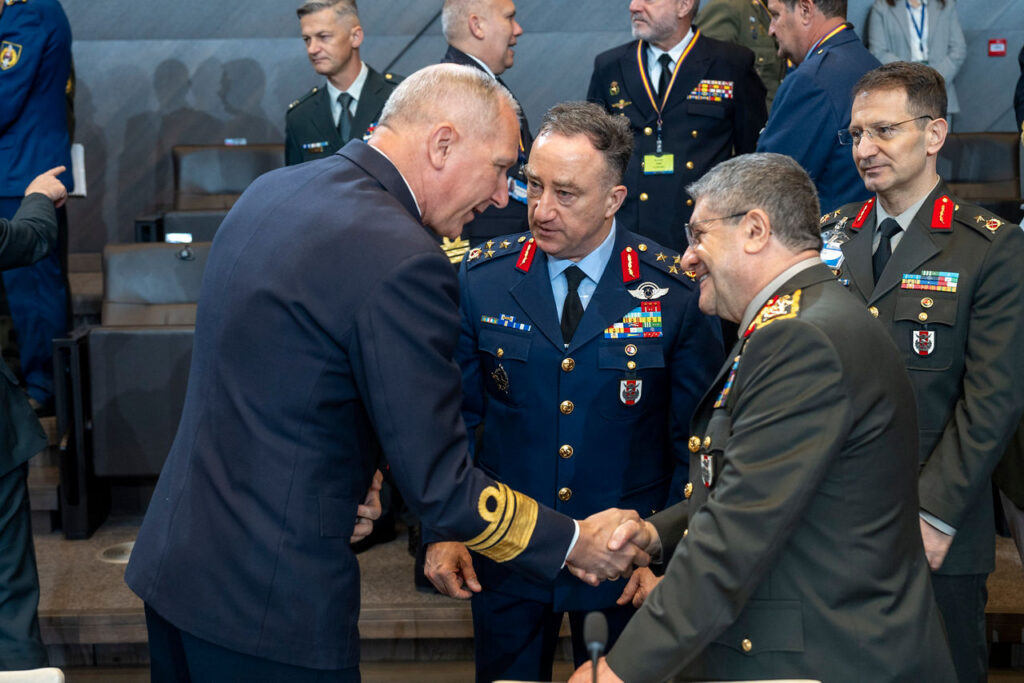
At the NATO Chiefs of Defence meeting held in Belgium on 19 May, the key topics were the reorganisation of command structures, the integration of cyber warfare, drones, satellites and artificial intelligence, and the protection of military and critical infrastructure in Europe. Following the use of artificial intelligence and the success of drones on the battlefield, the goal is to extend these preparations from the command level down to all unit levels. The war in Ukraine continues to shape all of NATO’s strategic planning.
These efforts are being carried out through Allied Command Operations (ACO), Allied Command Transformation (ACT), the NATO Cyber Operations Centre and the NATO Communications and Information Agency. The Alliance now defines its cyber domain as a full-fledged “operational domain” – just like land, air, sea and space. Therefore, tactical‑level preparations must be fully aligned with the ultimate strategic objectives.
ACO oversees Allied military operations and the new regional defence plans. It also works alongside ACT on force modernisation, military artificial intelligence, digital networks, interoperability and cyber warfare. The NATO Cyber Operations Centre is the body that coordinates military cyber operations among allies and integrates cyber elements into conventional military operations. The NATO Communications and Information Agency (NCIA) is the technical institution that manages secure communication networks, satellites, the military cloud system and the cyber security of allied systems. And let’s not forget the two major regional commands – Joint Force Command Brunssum and Joint Force Command Naples – which manage the north‑eastern and southern parts of the Alliance respectively.
In addition, the Cooperative Cyber Defence Centre of Excellence, based in Tallinn, Estonia, is a cyber defence centre of excellence that develops doctrines, simulations and cyber training programmes.
During this transformation period, work has begun on establishing a faster chain of command in crisis situations, and on integrating drones, satellites and artificial intelligence into NATO centres. In the defence and security field, the protection of critical infrastructure such as submarine cables and power plants, as well as the combination of conventional defence methods with cyber defence, are coming to the fore. Electronic jamming and the creation of military networks resistant to digital attacks – the unseen force of the battlefield – are of great importance today.
At the Helsingborg meeting, many ministers drew attention to drone incidents in the Baltic countries and the rising tensions caused by Russia’s accusations against Estonia and Latvia.
US Secretary of State Marco Rubio warned that Russia’s pressure on the Baltic states “could turn into a larger conflict”. Other priority areas include air defence, modern munitions, military training standards and technological cooperation in the defence industry. In fact, all of this serves as a reminder of alliance obligations that were set out in the Washington Treaty but neglected for the past 30 years. As you may recall, these also include the covert embargoes to which Türkiye has been subjected.
Rutte, recalling the ongoing war in the Black Sea basin, announced that Ukrainian President Zelenskyy will be invited to the NATO Summit to be held in Ankara in July 2026.
US wants a More “European” NATO
The most sensitive issue of the two major meetings was the reshaping of the role of American troops in Europe. In Washington’s view, Europeans must now take greater responsibility for their own security. As a result, Marco Rubio announced that the US military presence in Europe will be “recalibrated”.
This approach aligns with President Donald Trump’s strategy: reducing some American forces in Europe, pushing Europeans to increase defence spending, and transferring most of the strategic responsibility and cost to Europe.
President Trump repeatedly states in every speech that Russia does not pose a military threat, that he is friends with President Putin, that his country spends far too much “MONEY” on the European continent, and that they receive no allied support in return. The US announcement that it would withdraw 5,000 US/NATO troops from Germany as a means of punishing the country, followed shortly by the decision to send an additional 5,000 troops to Poland, has reassured Eastern European countries for now. However, this situation has also raised concerns in many European countries about Washington’s unpredictable security policies.
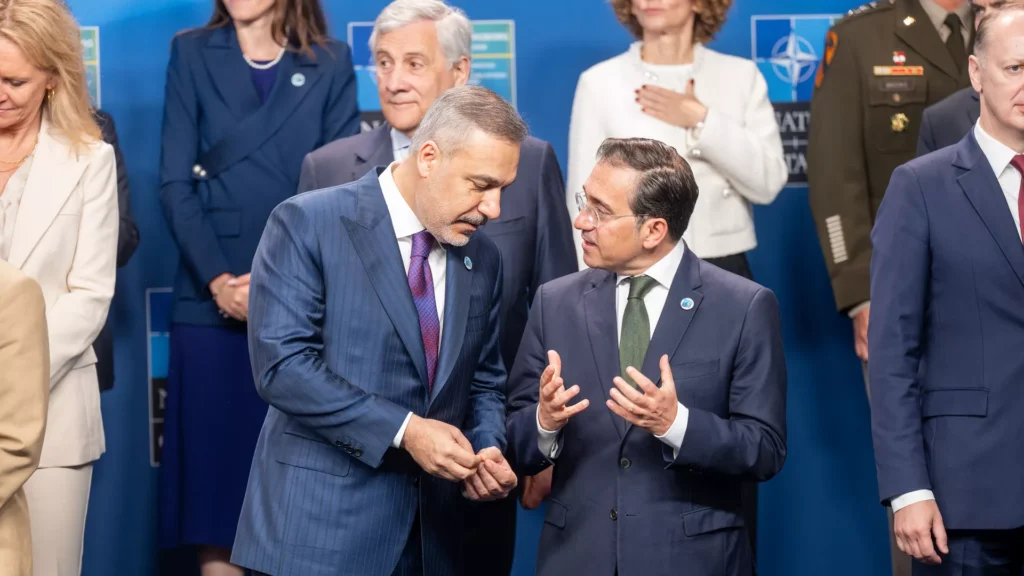
Swedish Foreign Minister Maria Malmer Stenergard described the process as “complicated”, while her Norwegian counterpart Espen Barth Eide said Europe should make an “orderly transition” towards a more independent defence structure.
Despite the show of military unity against Russia, serious differences of opinion have also emerged between the parties. Issues awaiting resolution – such as the Iran crisis, Greenland, the use of American bases in Europe, Türkiye’s exclusion from EU defence industry programmes, and imbalances in military spending – remain on the table.
Marco Rubio particularly criticised Spain for refusing to allow the use of US bases during the recent tensions with Iran. This situation shows that while NATO is growing stronger militarily, it is becoming more fragile politically. When it comes to the nuclear defence umbrella, the answers given shift according to daily political circumstances.
Ankara Summit Launches a Historic Transformation Process
Thus, NATO enters a new era – one in which it is better prepared for cost‑effective technological solutions and high‑intensity warfare, more reliant on its own military capacity, yet equally exposed to internal political tensions.
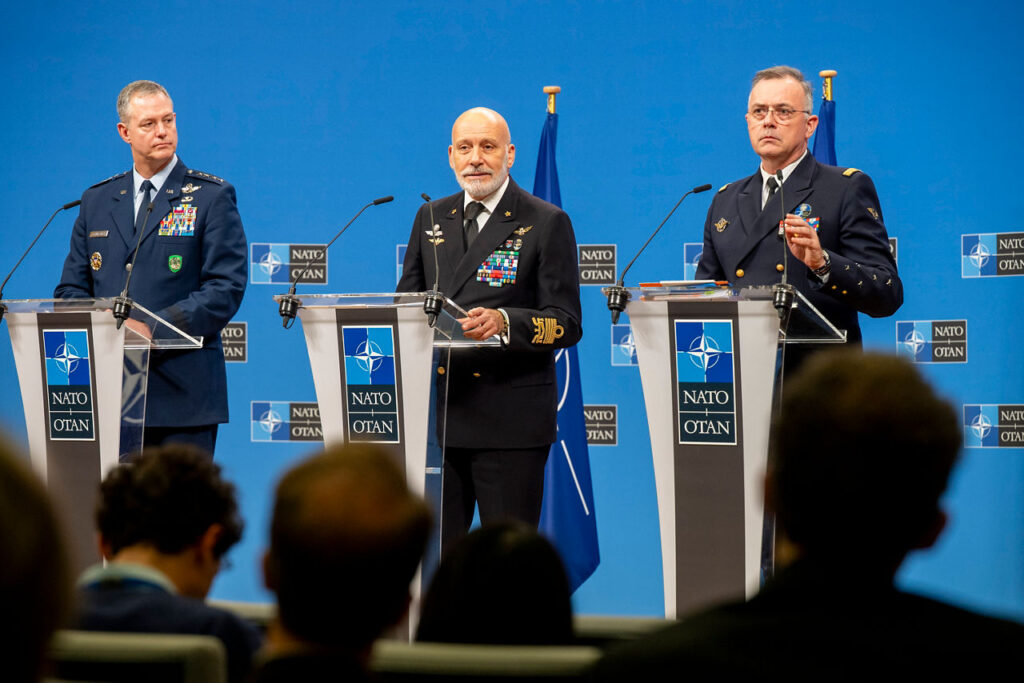
The May 2026 NATO meetings ahead of the Ankara Summit show that the Alliance is preparing to reshape not only Europe’s defence against Russia, but also the strategic leadership structure of the Western world. Europe and Türkiye must now learn to defend themselves with less American support. While Türkiye has been preparing for this process for two decades, European armies have many shortcomings that need to be addressed in a short period of time.
I have already shared which heads of state will come to Ankara, what issues they will discuss at the summit, and their military preparations. The “NEW NATO” is in a genuine transformation period.
🔍 You mat also like
Source: C4Defence