

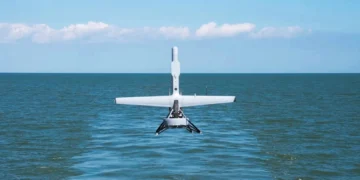
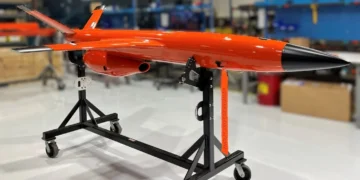
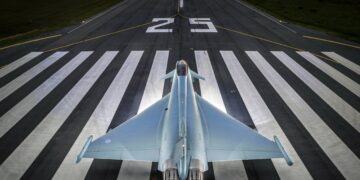

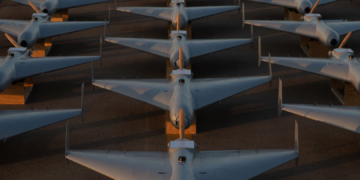



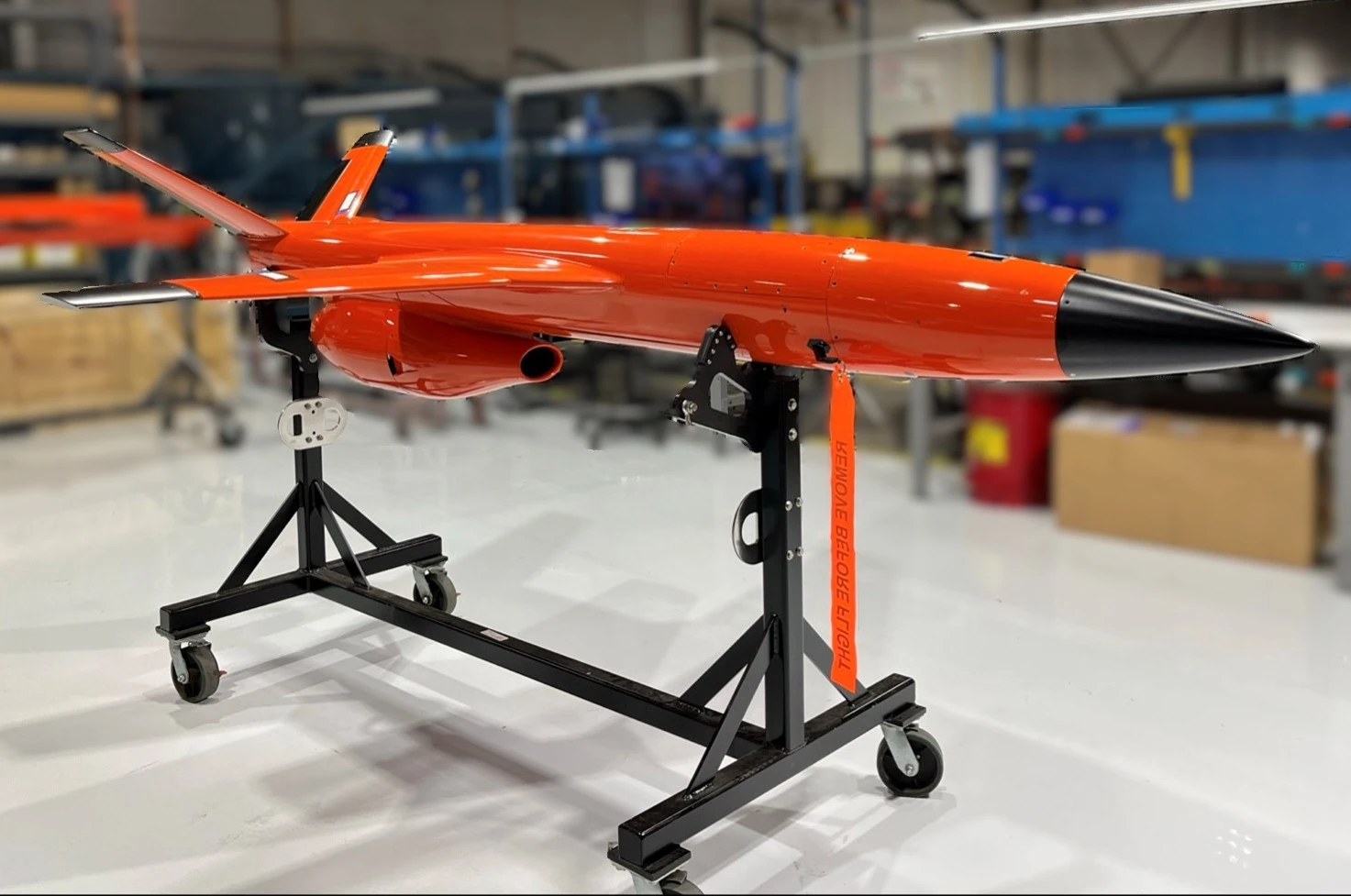
The Firejet unmanned aerial system stands out as a high-performance solution in the tactical jet UAV segment with the integration of the new J85 engine. Developed by Kratos and having successfully completed its flight test series, the Mk1 Firejet draws attention with its payload and sensor capacity that enhances operational flexibility. The platform serves as a technical response to the increasing demand for high-speed and highly maneuverable systems in the modern theater of war.

Operational Flexibility: From Target Drone to Tactical Platform
Kratos offers users two different configurations with the existing “Classic Firejet” and the new “Mk1” models, allowing customers to choose based on their operational needs. The Mk1 version, equipped with the new J85 engine, delivers a significant performance leap in key flight metrics such as range, endurance, speed, and climb rate.
The “Classic” version of the platform is already in use by the U.S. Army’s Target Systems Management Office (TSMO) and is also actively used by allied nations like Taiwan for training and testing activities.
Production Capacity and Operational Scalability
The operational efficiency of the Firejet system relies on supporting high-performance components through a sustainable production model. Kratos plans to scale the production line for the J85 and other Spartan engine models to thousands of units within this year. With the objective of reaching production capacities in the tens of thousands in the coming period, this expansion is envisioned as a technical response to the requirements for intensive deployment of high-speed systems in the modern theater of operations.
Technical Capabilities and Mission Profiles
Supporting both surface-to-air and air-to-air engagement tests, Firejet stands out with the following technical capabilities:
- High Maneuverability: High subsonic speed and high-G maneuvers.
- Advanced Sensor Capability: Towed targets, proximity scoring, passive/active RF, and infrared (IR) enhancement.
- Supply Chain Security: Minimized supply chain risk through the use of U.S.-sourced components and engines.
The new engine configuration transforms the platform from merely an aerial target into a survivable, munitions- and sensor-carrying tactical UAS (CCA) system.
Read more defence news
Source: C4Defence-Kratos