








“Omnes Somniant Sed Non Aequales – All People Dream, But Not Equally”
“As we enter the year 2026, those who rethink, dream, and guide change in the light of accurate and visionary foresight will assume leadership roles in the world of the future. We are confronted with a global metaphor of conflict and expansionist violence, in which international law, traditional diplomacy, and the Pax Americana order are collapsing, and nuclear weapons are once again being debated. In this environment of chaos and uncertainty, which threatens our aging planet and human civilization, it is concerning that the UN, EU, and NATO remain inadequate in deterring aggressors who raise arms against peace. In this critical period in which human history is evolving toward a new reckoning, the magic key for sovereign states to remain free and competitive lies in reading this historic fracture correctly, developing next-generation technologies, and building stronger national defense ecosystems.”

SUMMARY
The rules-based world order is receding and violence is increasing, which forces countries to rethink their relationships. In a world that is being divided again, the sense of an inevitable march toward a third world war is growing closer in a week when former allies commemorated separately the 80th anniversary of the end of the Second World War. The collapse of Pax Americana, the interconnectedness of conflicts, a renewed willingness to resort to unrestrained state-sponsored violence, and the indifference of the institutions of the rules-based order were brutally exposed this week. From Kashmir to Khan Younis, to Hudaydah, Port Sudan, and Kursk, the only sound heard was explosions, and the only lesson learned was that the old rules no longer apply. [1]
Global supply chains faced a “perfect storm” of shocks arising from geopolitical conflicts, trade wars, natural disasters, and strikes. As the year 2025 drew to a close, Israel’s rising Gaza-Iran Wars in the Middle East, the collapse of the Assad Regime in Syria, the Russia-Ukraine Missile Wars in Europe, Pakistan-India air battles, Japan’s involvement in the Taiwan Crisis in the Pacific, and the United States’ challenge to Venezuela in the Caribbean triggered increases in defense spending by the European Union and Japan against the threat posed by China. On December 8, 1991, the leaders of Russia, Ukraine, and Belarus—Boris Yeltsin, Leonid Kravchuk, and Stanislav Shushkevich—met at a hunting lodge in Belarus and formally dissolved the USSR. [2]
As the world adapts to a multipolar era, volatility is expected to intensify in all domains. As the world adapts to a multipolar era, variability and uncertainty are expected to intensify in all areas. Globally, unlike the Cold War, the year 2025 has taken its place on the long ruler of political history as a critical year defined by deep geopolitical tensions, international conflicts, and anti-government public protests and dissenting tendencies that gained weight in a “Multipolar’’ balance of power. In global politics, 2025 was also the year in which the old political order came to an end. Importantly, the emerging modern multipolar world, the multipolar world, includes powers such as the countries of the European Union, NATO, China, Russia, India, Turkey, Brazil, Australia, and Japan. [3]
INTRODUCTION
Debate is very important! The Transatlantic alliance is rapidly changing. It is argued that Trump’s second term, together with the rise of right-wing populist parties in Europe, could launch a new era of revisionist transatlanticism. Trump’s dissatisfaction with the EU and NATO is very well documented. Many view NATO with skepticism and are open to Russian demands. Any of these comments not only questions NATO’s future ability to protect and secure Ukraine, but also casts doubt on the White House’s commitment to Alliance solidarity for NATO member states.[4]
Since Europe’s security environment is deteriorating and America’s unipolarity has disappeared, NATO must change. It is assumed that Europe should have the capacity and responsibility to defend itself, as it has the resources to outmatch Russia and has more at stake than the United States in defending its territory. European countries may plan to replace most of the U.S. military personnel and infrastructure in Europe over the next decade.[5] The structural changes emerging in the fate and future of transatlantic relations, Trump’s insult to Ukrainian President Volodymyr Zelensky in the Oval Office on 28 February 2025 during an attempt to end the war in Ukraine, his approaches that largely exclude Europeans, his disregard for diplomatic norms, his threats toward allies such as Denmark and Canada, and his dismissal of European interests in the outcome of the war-ending negotiations unnecessarily damaged America’s credibility. This imposed serious costs on U.S.–Europe relations, which are built upon mutual trust, mutual expectations of reasonableness, and the credibility of both sides’ commitment to work constructively in economic, security, and political fields.[6] If Russia invades a major European country, the United States would suffer greatly, and therefore it has a clear interest in supporting Europe’s efforts to deter and prevent this. The transition from one world order to another continues at full speed, but how this new world order will take shape is still uncertain. The emergence of artificial intelligence, the rise of China, and the relative decline of the United States offer challenges as well as opportunities.
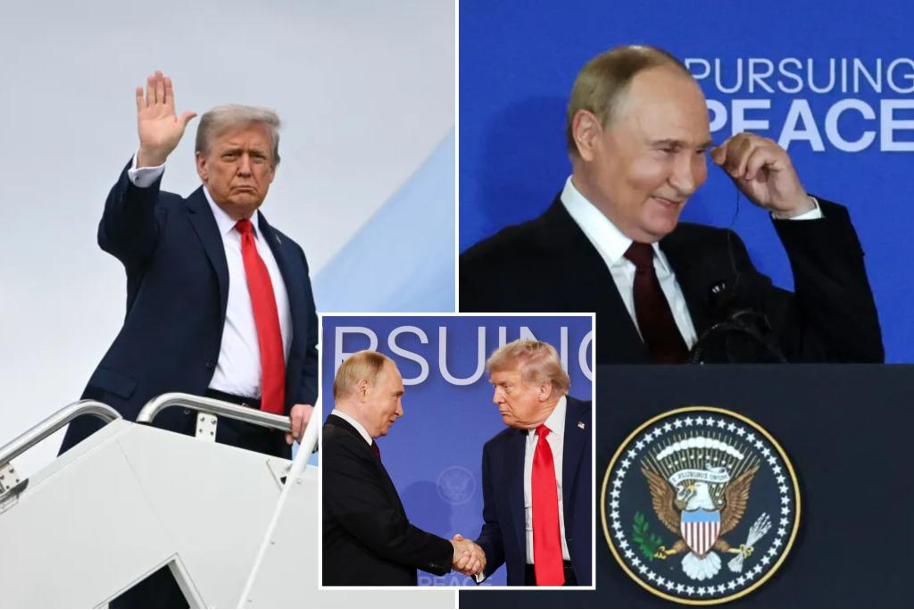
Today’s trade war weapon has shifted from tariffs to bottlenecks, creating new challenges for governments and producers. The world of 2026 will be largely shaped by U.S. President Donald Trump’s efforts to restructure the global economic and geopolitical order, and by how Washington’s allies, rivals, and adversaries attempt to mitigate these risks or take advantage of new opportunities. In particular, European security will be at the forefront as the continent looks beyond the Russia–Ukraine war, while the Middle East will transition into the post-Gaza War period with many unanswered questions.
To put it plainly, the U.S.-led international order may be coming to an end in the face of the rising power China. If so, we may soon discover just how unstable, turbulent, and dangerous this emerging world order—or disorder—really is. Will the current changes lead to a new world order, and if so, what will it look like and how dangerous will it be?[7]
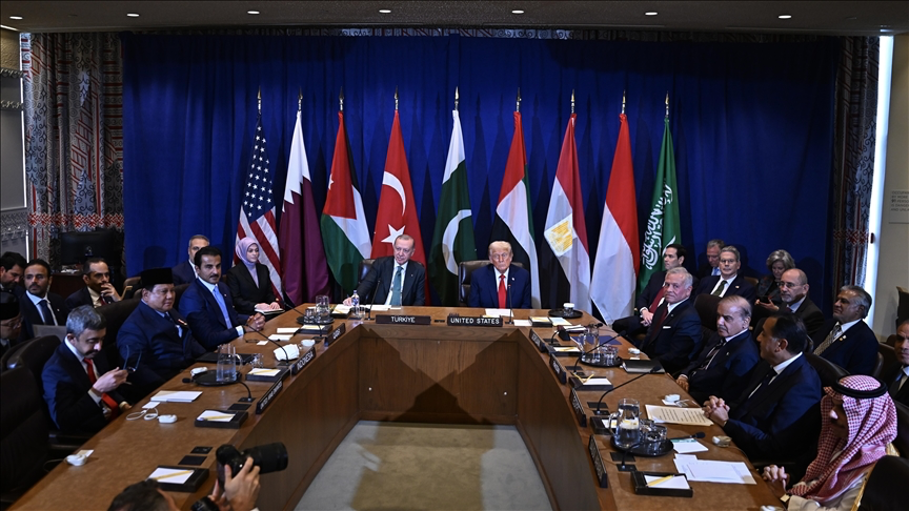
We are likely to witness a fluid period in which the world’s most powerful actors (the U.S., China, and possibly the EU) and influential rising players such as Russia, India, Brazil, Turkey, and others exist within shifting alliances until a clearer and more stable order emerges. What is the danger? Anything is possible.
What is the positive side? Anything is possible. Whatever the answers may be, we are at a turning point with echoes for all of us. This is why the forward-looking variation of this year’s assessment can be assumed to bear the main theme of “the breaking of geopolitical shifts.” Quite simply, we are at a significant turning point in how international relations (diplomacy and conflict) are conducted by the world’s major and other powers.[8] Moreover, as cyberattacks become increasingly sophisticated and espionage continues to adapt to the digital world, the traditional boundaries between domains of conflict will blur, making cross-domain analysis and strategy development mandatory. Financial troubles in France and the United Kingdom are likely to remain a source of concern. Despite headwinds, global growth is quite resilient. It is estimated that this resilience will continue into 2026, along with significant risks. [9] In 2026, the world is entering a new period of economic adjustment. The policy uncertainty triggered by the U.S. administration accelerates global restructurings, reshaping trade, growth, and investment flows. The end of the fragile U.S.–China trade truce, shifting U.S. policies, high borrowing costs, and ongoing geopolitical tensions lead to continued caution.[10] World GDP growth in 2026 is projected to be 2.7%. [11]On the other hand, President Trump’s “Trade Wars,” which have positioned him against the entire world, along with fragile ceasefire agreement efforts in Alaska and Gaza, have maintained uncertainty in global supply chains and sustainable liberal trade. In 2026, we can expect to witness how much of these changes and conflicts will emerge unpredictably and undoubtedly bring further turbulence to the increasingly fragile geopolitical arena. Although the global economy showed significant resilience in 2025, the real impact of U.S. tariffs, one of the year’s most important events, remains uncertain. However, the International Monetary Fund (IMF) raised its 2025 global growth forecast to 3.2% while keeping the 2026 forecast at 3.1% .[12]In 2026, the global economy will undergo a new phase of turbulence and adjustment. Policy uncertainty in the U.S. is reshaping trade dynamics, inflation expectations, and investment flows worldwide. Although tariff tensions have temporarily eased, high borrowing costs, changing fiscal policies, and rising geopolitical risks have negatively affected growth expectations, leaving the path ahead uncertain.13]
Uncertainties in U.S. Foreign Policy and the Trump Balance
President Donald Trump’s extraordinary return to the U.S. presidency has generated some waves of concern, while reigniting Americans’ hopes and strengthening the tendency to finally prioritize the interests of U.S. citizens, aiming for a revival of the United States akin to a “Phoenix.” Essentially, the ideological foundation of Trump’s foreign policy can be traced back to his 2016 campaign and first term. “ [14] America First” was not just a slogan; it was a repudiation of the international consensus that had defined U.S. strategy for generations. Largely defined by Trump, this approach advocated unilateralism, nationalism, and the reduction of global commitments to transactional relationships.
While critics described this as “isolationism,” supporters referred to this approach as “realism.” What was clear was that the traditional safeguards of U.S. diplomacy—stability, reliability, and alliances—were set aside. The “America First” doctrine reversed decades of U.S. leadership strategy. Agreements were canceled, alliances were dismissed, and international obligations were reshaped as burdens.[15] Since the beginning of his second term, President Trump has followed surprising and unsettling tactics in both U.S. foreign policy and domestic affairs. Ongoing themes highlight the belief that the international order disadvantages Americans. It is argued that President Donald Trump has dramatically upended not only the White House but also norms and institutions that have persisted for decades. Tariffs are undermining the multilateral trade system. From the UN to foreign aid, the mechanisms of international diplomacy are affected by American funding cuts. Under a second Trump administration, the U.S. is attempting to rebalance its economic and security relationships. However, the way the agenda is pursued will challenge traditional alliances and trigger geopolitical and economic restructuring. Conflict risk and geopolitically-driven brinkmanship will be fundamental elements of the global landscape, contributing to high risk premiums and sustaining shock risks in commodity prices. [16]
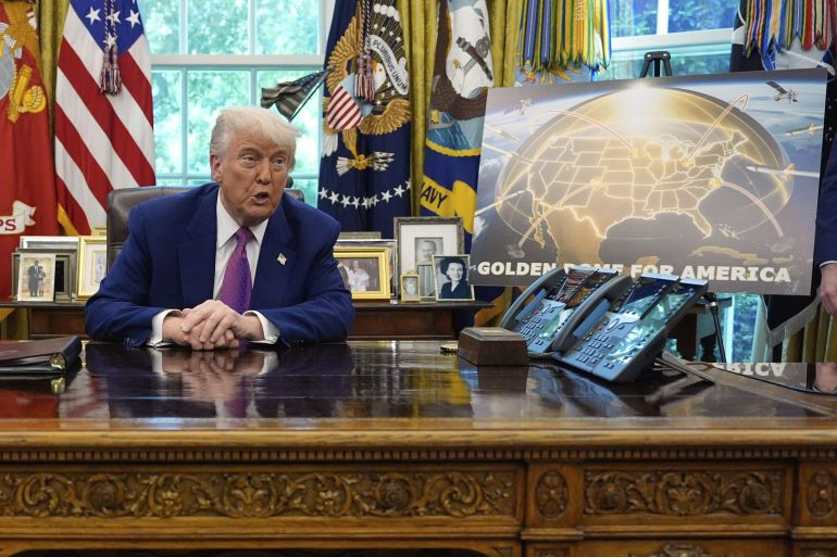
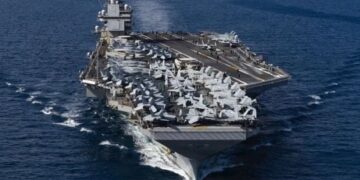
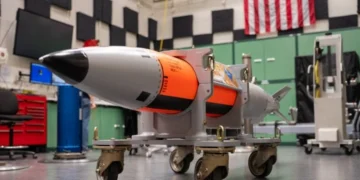
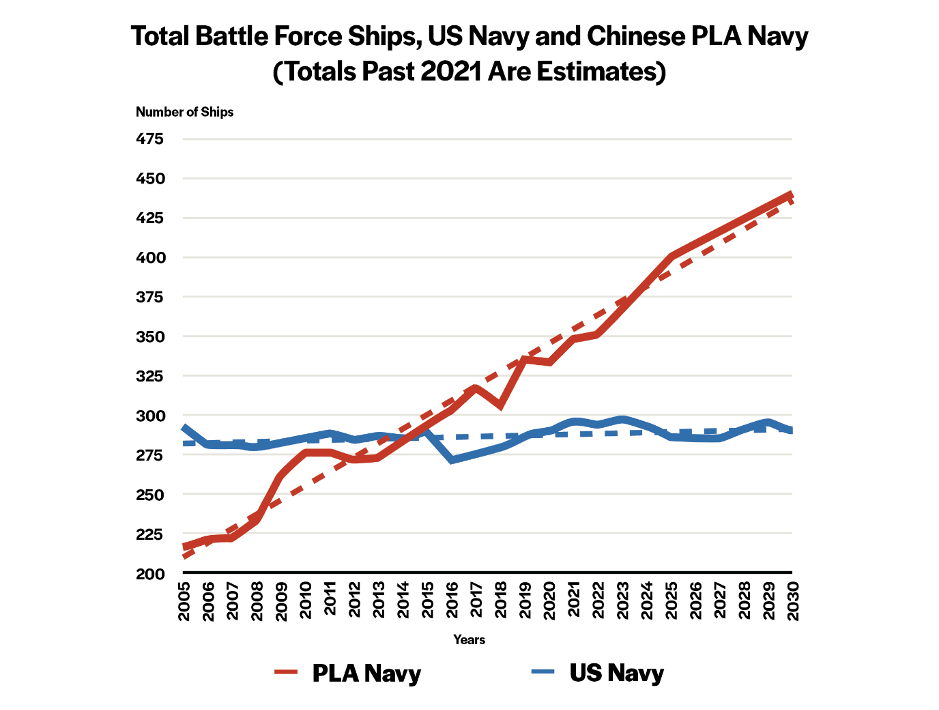
Long-standing security alliances have been transformed into more transactional relationships that monetize American military and economic power. Domestically, President Trump has sought to assert the most extensive executive authority in a century. In this context, according to some commentators, troops were deployed to Democrat-led cities; universities were constrained through threats and funding cuts; the independence of the Federal Reserve was questioned; and government mechanisms were mobilized against the president’s adversaries. [17] The second year of Trump’s second term is shaping up as a historic gateway toward either a world of consolidation and stability or a world of increasing disorder and conflict. In 2025, while America’s global military supremacy remained unshaken, China and Russia were systematically developing their armed forces. In contrast, the U.S. is planning its first nuclear tests in thirty years to maintain strategic balance with its rivals. The United States is expected to retain its clear superiority in global military spending in 2026. [18] According to the draft defense budget for fiscal year 2026, Washington plans to allocate approximately $892.6 billion for defense expenditures. Key investments in this budget are expected to fund, among others, the B-21 Raider bomber, Columbia-class submarines, the LGM-35A Sentinel intercontinental ballistic missile, Long-Range Hypersonic Weapons (LRHW), the AGM-183A Air-Launched Rapid Response Weapon (ARRW) hypersonic glide vehicle, the Hypersonic Attack Cruise Missile (HACM), and the Iron Dome missile defense system. [19] While the U.S. Navy remains largely static in total ship numbers, China is increasing its fleet, and whereas the U.S. Navy is deployed globally, almost all Chinese ships operate in the Pacific Ocean.or.
See Figure 1 for trends and estimated totals. Chinese ships operate under the protection of land-based missile systems and close to support bases and supply depots. While the U.S. Navy and the Chinese Navy have approximately the same number of ships with vertical launch system batteries, the U.S. Navy deploys larger ships with greater capacities. The Beijing fleet is closing this gap and now deploys missiles equivalent to half of the U.S. fleet.
Designing and funding a navy capable of winning wars will be one of the Pentagon’s highest priorities and will be costly. Some experts estimate that the People’s Republic of China’s (PRC) shipbuilding capacity is 200 times greater than that of the United States. This is reflected in China’s ship production, as the country launched 689 large commercial ships and 30 naval ships in 2023. In contrast, American shipyards produced no large commercial vessels and built only nine gray-hulled ships for the U.S. Navy. The U.S. Congress faces a shipbuilding revolution to compensate for twenty years of stagnation and insufficient investment.
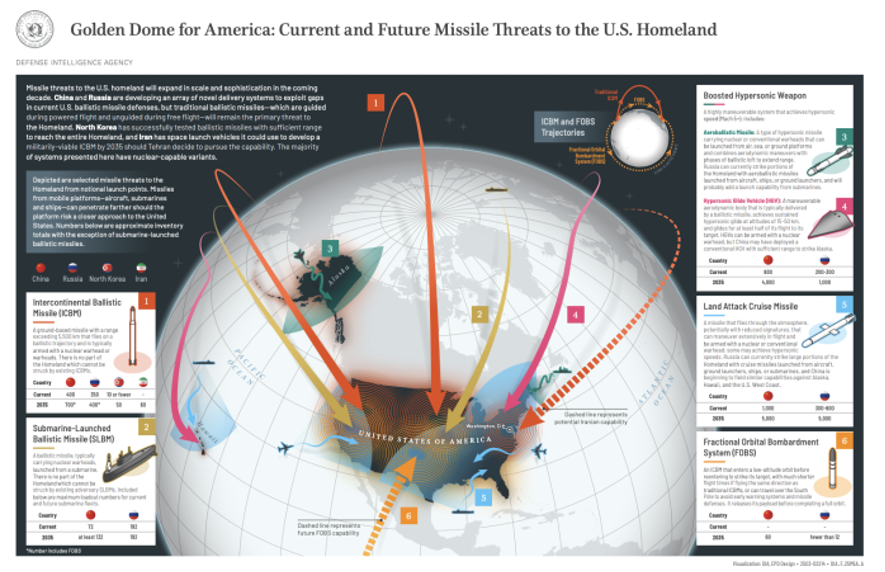
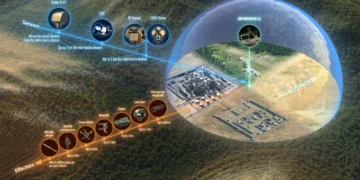
The U.S. Air Force is also facing the same challenges in the region. According to a former Air Force Commander, “China’s significant investment in medium-range systems launched from air, land, and sea, as well as systems reaching the so-called second island chain and beyond, has already put traditional Air Force systems and operational concepts at risk.” President Donald Trump and Secretary of Defense Pete Hegseth have unveiled their clearest plans yet for the “Iron Dome” missile defense program. This plan, for the first time, includes sending weapons into space. Speaking at the White House, Trump stated that he had “officially selected an architecture” for the system designed to neutralize “hypersonic missiles, ballistic missiles, and advanced cruise missiles.”[21] In a subsequent statement, Trump added, “I have promised the American people that I will build a state-of-the-art missile defense shield to protect our country from foreign missile attacks,” noting that the Iron Dome system would include “space-based sensors and interceptors.” Trump continued, “Once fully built, Iron Dome will have the capacity to stop missiles even if they are launched from the other side of the world or from space.” The U.S. President also claimed, “We will have the best system ever built.” [22]
Will There Be a No-Fly Zone in the Russia–Ukraine Peace Process?
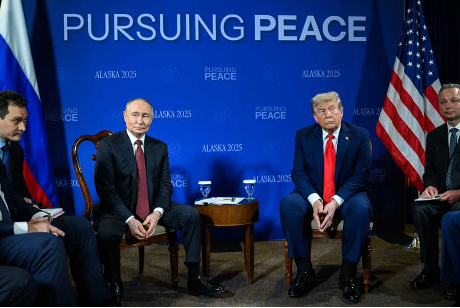
In Ukraine, Russia, completely deadlocked, is continuing a war of attrition at significant cost. The Kremlin’s military and political elite adopt a confrontational stance toward European countries supporting Ukraine. Moscow places the nuclear factor at the center of its escalation logic to deter them. Its vulnerabilities lie on land, where Russia holds advantages in mass and firepower. On the other hand, European countries maintain superiority in air, sea, space, and cyber domains. Russia benefits from military support from North Korea and Iran, as well as backing from the People’s Republic of China. Despite being condemned by many countries, it faces only Western sanctions. Diplomatically, the war fuels a “post-West” narrative that resonates in the Global South; however, Russia’s contributions to development aid are negligible compared to Europe’s.
The war has strengthened ties between the EU and NATO, with Sweden and Finland’s participation. Expansion expectations appear to serve as strong levers for the continent’s transformation. [23] Despite unprecedented sanctions imposed on Russia, its macroeconomic situation initially appeared strong during 2022–2024: GDP growth reached 4.3% in 2024, while declines in trade with European countries were offset, particularly by rapidly expanding trade with China. However, Russia’s economic momentum peaked at the end of 2024, and the country is now drifting toward stagnant inflation. This decline is evidenced by rising inflation (the central bank interest rate reached nearly 21% in three-quarters), a growing budget deficit (expected to be -2.6% in 2025), and the rapid shrinkage of the liquid portion of the National Wealth Fund (falling to $31.5 billion in June 2025).[24] Russia’s long-term outlook is bleak. Its modernization potential is constrained, and its economy is expected to slow significantly, becoming increasingly dependent on China. Most importantly, Russia’s gas sector will not recover from losses in the European market, resulting in an estimated €160 billion loss in export revenues for Gazprom during 2025–2030.[25] Russia has more than a dozen overseas military bases and facilities, including in Syria, Armenia, and Moldova. These bases serve operational and training purposes.
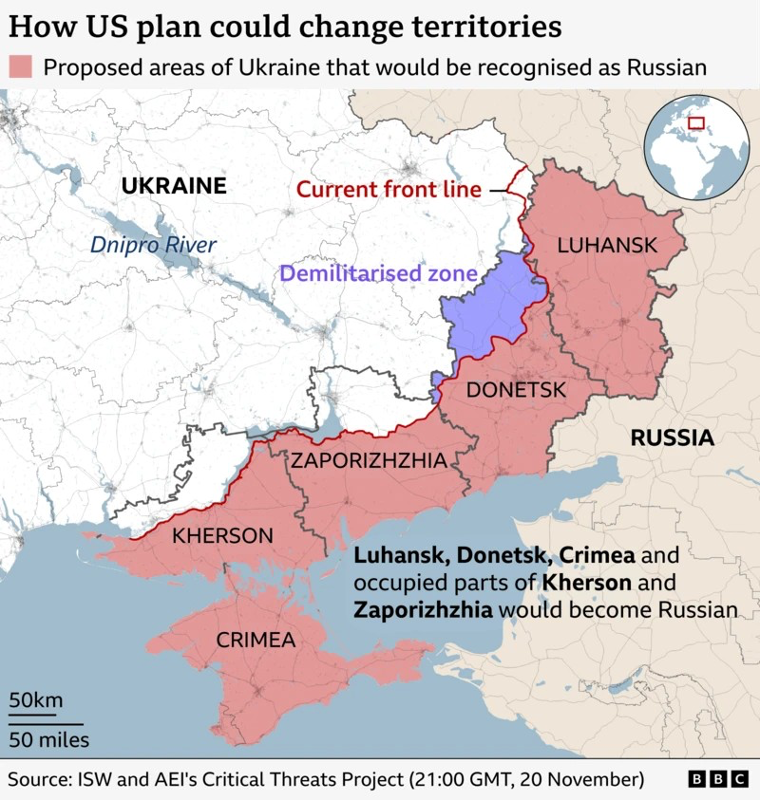
Although Russian Central Bank Governor Elvira Nabiullina claims that Russia has exhausted the resources necessary for economic growth, Kremlin spokesperson Dmitry Peskov asserts that Russia holds a “strategic advantage” on the battlefield in Ukraine and plans to continue the war based on this assumption. [26] In our view, any discussion of resolving the war in Ukraine must begin with two fundamental facts: Russia cannot achieve its military goal of defeating and occupying Ukraine, and Ukraine cannot fully expel Russia from its borders. Wars will end either with the victory of one side or through negotiated settlement. Both sides are approaching exhaustion, and momentum for international mediation is increasing. Since it is unlikely that the current status quo will last long, the coming year could be decisive. [27]
If there is no concrete breakthrough on the battlefield, American policy is likely to be decisive. Should Washington significantly increase aid, Kyiv may be able to pressure Moscow into negotiations; however, these negotiations would likely involve territorial concessions. Yet, President Trump’s inconsistent messaging increases the risk of early concessions to Russia. In the short term, whether the conflict prolongs or moves toward resolution will be determined not by momentum on the battlefield, but by U.S. influence. One of the most important developments in 2026 will be the delicate task of implementing a possible ceasefire between Ukraine and Russia, rather than a new conflict.
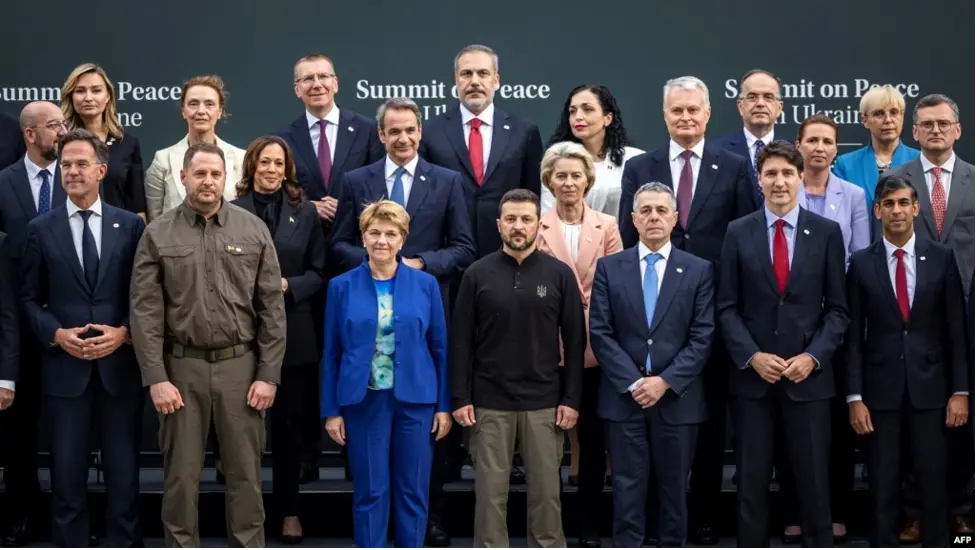
If the hostilities cease, the international community will demand a strong enforcement mechanism. In this context, U.S. and NATO air power will be presented as the primary tool—seemingly clear, decisive, and uncompromising. However, relying solely on air power is a strategic trap and creates a paradox in which the enforcement instrument could become the catalyst for a wider war.
An air‑centered enforcement strategy would likely involve the establishment of a No‑Fly Zone (NFZ) over designated Ukrainian territory, enforced by NATO combat air patrols operating from allied bases. The mission would be to deter or destroy any Russian military presence that violates the terms of the agreement. At first glance, this appears to serve the West’s overwhelming strengths, using superior Western platforms to dominate the airspace and provide continuous surveillance.
If the West does not increase assistance to Ukraine or apply sanction pressure on Russia, Ukraine is expected to remain far more vulnerable in financing its defense against Russia’s full‑scale invasion.
Russian President Vladimir Putin stated that Moscow would halt its attacks on Ukraine only if Kyiv withdrew from all the territories that Russia claims as its own. Otherwise, he argued, Russian forces would seize them by force. During his visit to Kyrgyzstan, Putin said, “If Ukrainian forces withdraw from the territories they hold, we will stop combat operations. If they do not withdraw, we will achieve this by military means.” [28]
European Security Architecture and the Four Flagship Initiatives
France’s new Chief of Staff, General Fabien Mandon, warned last week that the country must be prepared to “lose its children” in the event of a potential conflict with Russia, noting that Russia annexed 20% of Georgian territory in 2008, Crimea in 2014, and launched a full-scale invasion of Ukraine in 2022. Mandon stated, “Unfortunately, based on the information available to me, Russia is preparing for a conflict with our countries by 2030. It is organizing itself accordingly, preparing, and believes that its existential enemy is NATO.”
French President Emmanuel Macron announced a new program aimed at strengthening France’s armed forces by training thousands of volunteers aged 18 and 19 starting next year. Macron said, “From this summer, a gradual establishment of a new national service is planned. In this uncertain world where power prevails over law and war is ever-present, our nation has no right to fear, panic, be unprepared, or be divided.” [29]
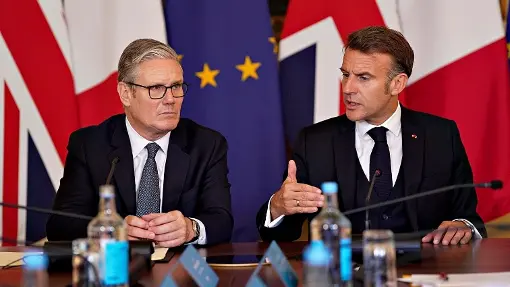
France and the United Kingdom have reaffirmed their plans to maintain a military presence following the end of Russia’s war in Ukraine. French President Emmanuel Macron stated, “Real and solid guarantees are required.” France and the UK called on members of the “Coalition of Volunteers” to provide strong security guarantees to secure a future peace agreement in Ukraine. This includes deploying military units on the ground as a multinational force. The “Coalition of Volunteers,” bringing together European countries, Turkey, Canada, Australia, New Zealand, and Japan, convened online to discuss the U.S.-initiated peace agreement effort. [30] On November 25, 2025, President Macron announced that, if a lasting peace agreement is achieved between Ukraine and Russia, British, French, and Turkish troops would serve on Ukrainian territory as a “peacekeeping force.” According to Macron, these forces will be deployed not along the front lines, but in withdrawal and security zones such as Kyiv and Odesa. Their duties will include training, security, and maintaining stability—they will function as a post-conflict assurance force, not as active combatants.
A similar statement came from U.K. Prime Minister Starmer, who said, “We need to plan and finance the building of Ukraine’s future defensive capabilities. The multinational force we train will be a vital part of that effort.” [31]
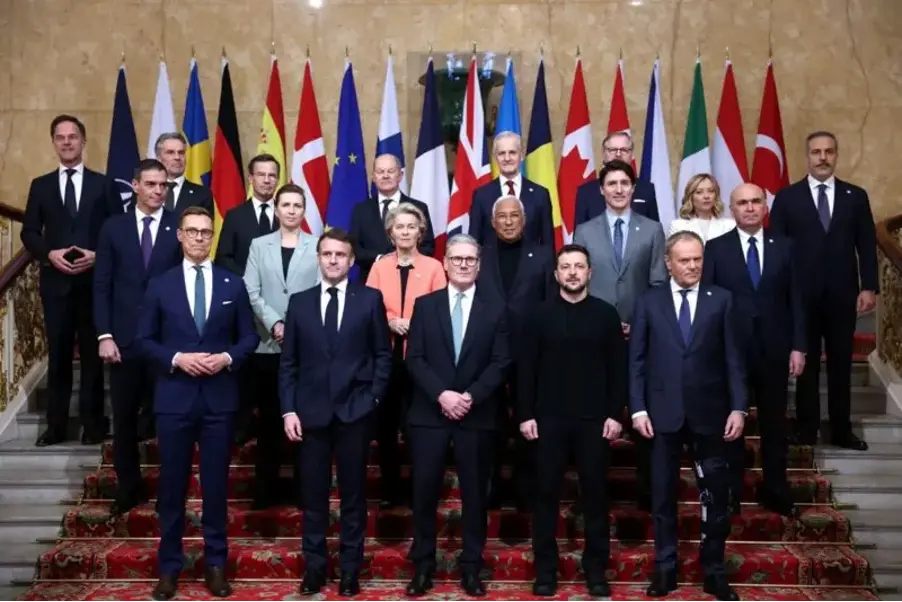
Under the proposed plan, the international security force will work to guarantee air and maritime security in conflict-free areas such as Odesa and Kyiv. The security force will also play a role in training the Ukrainian military. Macron has claimed that around 20 countries wish to participate in the security force. Russian Foreign Minister Sergey Lavrov suggested that Turkey and Belarus could play a constructive role in resolving the conflict in Ukraine, stating, “Turkey and Belarus can play a constructive role as mediators in resolving the conflict in Ukraine. We were not the ones who rejected the Istanbul platform; it was the Ukrainians who did.” [32]
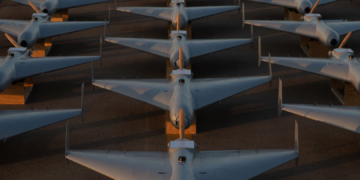
EU member states, within the framework of changing European Security Architecture priorities, propose four initial European flagship initiatives under the Defense Roadmap to act swiftly where a common approach is most effective: the European UAV Defense Initiative, Eastern Flank Observation, the European Air Shield, and the European Space Shield. [33] On October 16, the European Commission presented a work plan to EU member states to monitor progress and deliver core defense capabilities by 2030. [34]
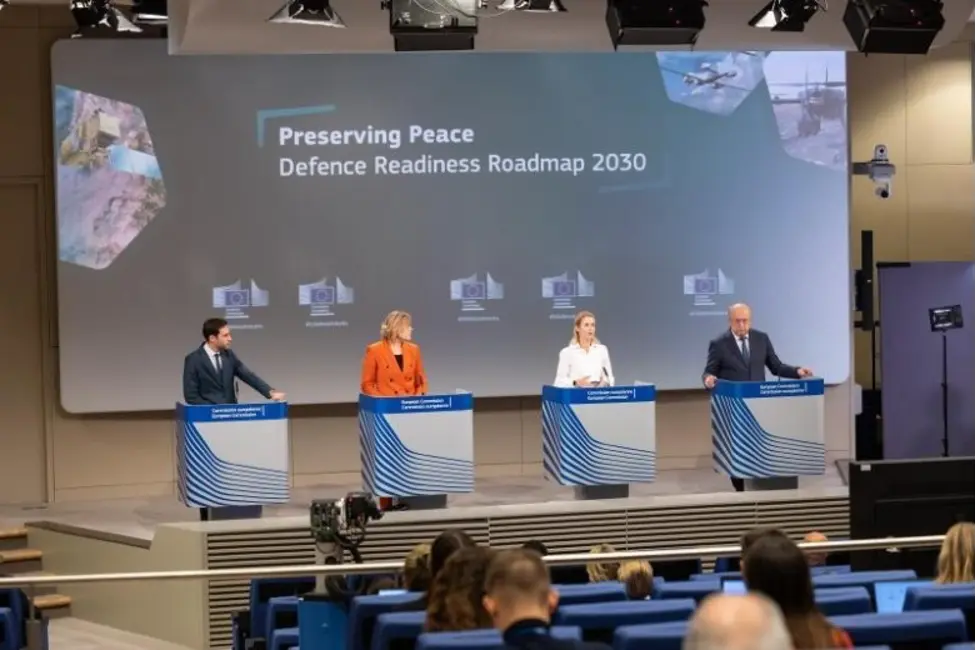
The roadmap titled “Peacekeeping – Defense Preparedness Roadmap 2030” follows the March European Defense – Preparedness 2030 White Paper and the broader ReArm Europe/Preparedness 2030 package, which aims to mobilize up to €800 billion ($933 billion) in defense investment through a mix of financial flexibility, EU-backed loans, and joint procurement tools. Commission President Ursula von der Leyen described the roadmap as “a clear plan with shared objectives and concrete milestones on our path to 2030.” The roadmap is the latest document outlining Europe’s efforts to strengthen military sovereignty amid rising tensions with Russia and global geopolitical instability. While the White Paper identifies priorities such as closing capability gaps, focusing on critical technologies, and preparing for worst-case scenarios, the roadmap translates these into milestones and four EU-wide “flagship” programs.[35]
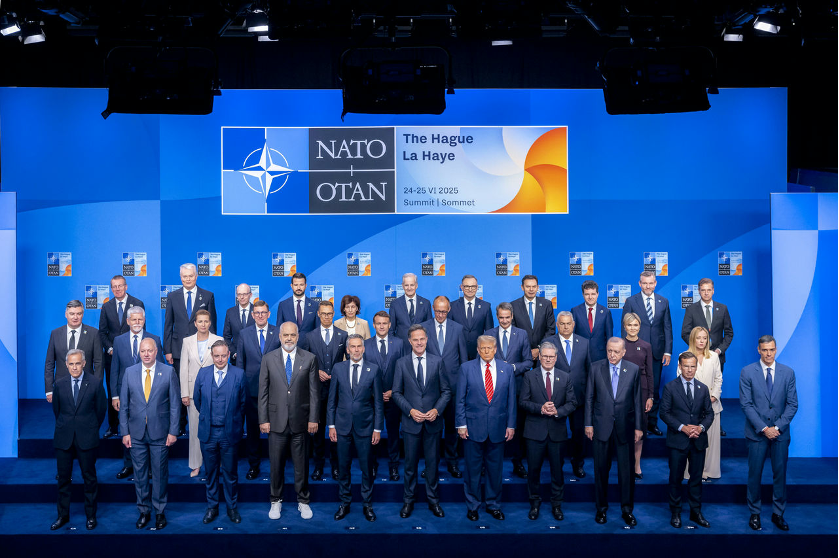
As summarized above, the Russia–Ukraine war has clearly exposed a lack of initiative regarding Europe’s security. NATO’s European members collectively decided to spend 5% of their GDP on defense. This historic shift underscores that American foreign policy can no longer be relied upon as a fixed element. The security and defense environment in 2026 is being shaped by changing global norms. The repercussions of increased spending commitments, strategic restructurings, and the testing of established structures are further intensified by volatile situations on the ground.
Public and private sector stakeholders are confronted with the emergence of new regional dynamics and global trends in this rapidly evolving arena. As NATO allies struggle to meet the 5% defense spending targets, the concessions already made and the pace of increased expenditures test the alliance’s stability, raising fundamental questions about burden-sharing and collective resolve. The return of the Trump administration to the White House has intensified these pressures. The United States’ approach to international relations is forcing both allies and rivals to readjust their strategies across multiple areas of potential conflict. In 2026, defense strategies are increasingly focusing on innovation to address rising security threats. European NATO countries are modernizing their defense systems to remain prepared and resilient in the face of shifting geopolitical tensions.[36]
Increasing Defense Budgets: European NATO countries have announced that they will increase defense spending by 60% by 2028, with €700–800 billion allocated to new equipment and defense innovation.
Stock Replenishment: Ensuring the resupply of ammunition and weapons systems remains a top priority for readiness.
Technology Integration: Artificial intelligence, quantum computing, and robotics are at the center of Europe’s defense modernization efforts. These technologies will improve mission readiness, enhance deterrence capabilities, and provide a strategic advantage on the battlefield.
If European countries agree to guarantee Ukraine’s security following a potential peace agreement, maintaining peace could be critically important. Although European military production and coordination have accelerated, their armies remain constrained—at least in the short term—due to continuous reliance on American supply chains in critical regions. Europe faces a crossroads: either reform, demonstrate strength, and become capable of defending its interests, or continue to fragment into smaller, dynamic blocs tied to domestic politics and shared threats of the day.[37]
By 2030, the goal is to create a simplified EU defense market with common rules that encourage both production and innovation, enabling faster and larger-scale industrial output. The Commission will monitor industrial capacity, starting with air and missile defense systems, unmanned aerial vehicles, and space systems, to ensure Europe can meet urgent needs. The defense preparedness roadmap follows the ReArm Europe / Preparedness 2030 plan, which provides Member States with greater financial flexibility to strengthen production and readiness. Additionally, by 2027, it plans to establish an EU-wide military mobility domain with a network of land, air, and sea routes under harmonized rules, enabling rapid movement of troops and equipment across Europe. Developed in close coordination with NATO, this initiative will enhance Europe’s ability to respond quickly to crises.[38]
SOURCE: C4Defence
REFERENCES
1https://www.theguardian.com/news/ng-interactive/2025/may/10/are-we-heading-for-another-world-war-or-has-it-already-started
2 https://www.wilsoncenter.org/blog-post/border-war
3 https://www.globalguardian.com/global-digest/2026-global-risk-map-summary-and-key-takeaways
4 Sophia Besch &Tara Varma: ”Alliance of Revisionists: A New Era for the Transatlantic Relationship”, Survival,31 Mar 2025, Vol. 67, No. (2), pp. 7-38.
5 Stephen Wertheim: ”The End of Illusion: Why Europe Needs Independence from the United States”, Survival,2025, Vol. 67, No. (2), pp.39–54.
6 Dana H. Allin &Christopher S. Chivvis: ”Transatlantic Relations: Is There a Beginning After the End?”, Survival,2025, Vol.67, No. (2), pp.203–208.
7 https://www.fitchsolutions.com/bmi/events/world-worries-political-risks-2026-08-10-2025
8https://illuminem.com/illuminemvoices/the-global-esgt-megatrends-20252026-1-geopolitical-tectonic-shifts-rupturing
9 https://www.abnamro.com/research/en/our-research/global-outlook-2026-the-shifting-world-order
10 https://www.eiu.com/n/webinars/global-2026-outlook/?gad_source=B
1 https://www.oxfordeconomics.com/resource/three-key-trends-to-watch-in-the-global-economy-in-2026/
12https://www.axa-im.co.uk/investment-institute/market-views/annual-outlook/outlook-2026-core-investment-implications
13 https://www.eiu.com/n/campaigns/global-outlook-2026/?gad_source=1
4 Patrick Slowinski: ‘’ Trump’ s Redefinition of American Global Leadership’’, Foreign Policy, 2025, https://foreignanalysis.com/wp-content/uploads/2025/07/FOREIGN-ANALYSIS-SUMMER-2025.pdf
5Steven E. Hendrix: ‘’ Sustainability Crisis of American Foreign Policy’’, Foreign Policy, 2025, https://foreignanalysis.com/wp-content/uploads/2025/07/FOREIGN-ANALYSIS-SUMMER-2025.pdf
6 https://www.eiu.com/n/blogs/global-outlook-looking-ahead-to-2026/
7https://www.economist.com/the-world-ahead/2025/11/10/the-contours-of-21st-century-geopolitics-will-become-clearer-in-2026
18 https://edition.cnn.com/2025/09/23/politics/unga-2026-pivotal-year-mcgurk-analysis
9https://defence24.com/geopolitics/america-and-its-adversaries-an-overview-of-the-military-potential-of-world-powers
20 https://www.airandspaceforces.com/discriminating-space-sensor-golden-dome/
21https://publications.armywarcollege.edu/News/Display/Article/4217911/the-next-national-defense-strategy-mission-based-force-planning/
22 https://www.aljazeera.com/news/2025/5/20/trump-says-us-will-put-weapons-in-space-as-part-of-golden-dome-plan
23 https://edition.cnn.com/2025/09/23/politics/unga-2026-pivotal-year-mcgurk-analysis
24 https://www.ifri.org/en/studies/europe-russia-balance-power-review
25https://defence24.com/geopolitics/america-and-its-adversaries-an-overview-of-the-military-potential-of-world-powers
26 https://www.kyivpost.com/analysis/56069
27 https://geopoliticalfutures.com/on-the-28-point-plan-to-resolve-ukraine/
28 https://www.kyivpost.com/post/65126
29 https://www.pbs.org/newshour/world/french-president-unveils-new-military-program-for-volunteers-aged-18-and-19
30https://tr.euronews.com/my-europe/2025/11/25/fransa-ve-ingiltere-savas-sonrasi-kieve-asker-gondermeyi-planliyor
31 https://www.sde.org.tr/haber/macron-baris-anlasmasi-imzalanirsa-fransa-turkiye-ve-ingiltere-askeri-gorev-alacak-haberi-61632
32 https://www.hurriyet.com.tr/yazarlar/gokce-aytulu/fransa-ve-ingiltere-neden-turk-askeri-istiyor-43036177
33https://www.sde.org.tr/uluslararasi-iliskiler-ve-dis-politika/lavrov-ukrayna-konusunda-turkiye-ve-belarus-arabulucu-olabilir-haberi-61625
34https://www.eunews.it/en/2025/10/16/eu-unveils-its-defence-roadmap-work-to-start-in-early-2026-aiming-for-2030-readiness/
35 https://spacenews.com/europe-outlines-defense-flagship-programs-and-confirms-european-space-shield-by-2026/
36 https://www.chathamhouse.org/events/all/conference/security-and-defence-2026
37 https://www.linkedin.com/pulse/future-european-defence-2026-how-innovation-investment-redefining-37sac/
38 https://commission.europa.eu/topics/defence/future-european-defence_en