












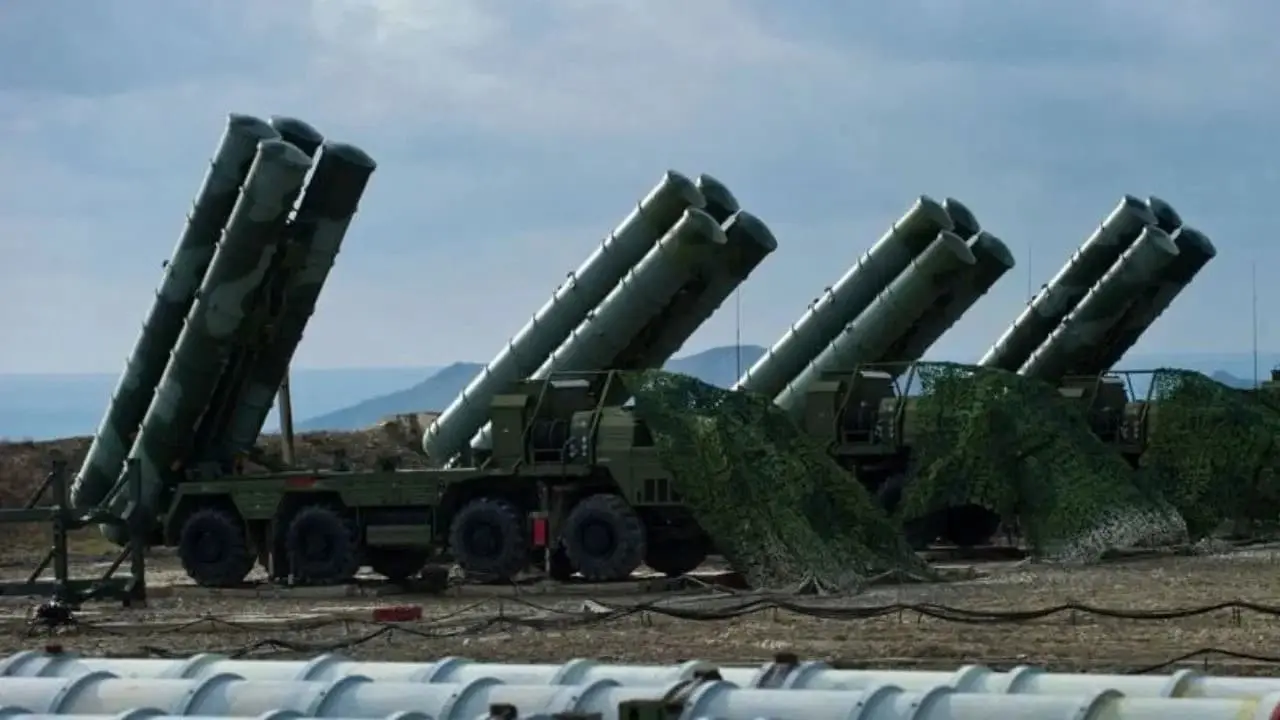
Russian officials have officially confirmed the delivery schedule for the remaining two squadrons of S-400 Triumf air defense systems to be supplied to the Indian Air Force (IAF). According to the official announcement made after serious delays in the procurement process, the fourth squadron is targeted to enter India’s inventory by May 2026.

Critical Juncture in S-400 Procurement: May 2026 Target
The approximately $5.5 billion major agreement signed between India and Russia in 2018 covers the procurement of a total of five S-400 (SA-21 Growler) air defense missile system squadrons. The latest confirmation text conveyed by Russian defense officials to Indian authorities has formalized the delayed delivery process caused by logistical issues and the global conjuncture. According to information shared by IDRW (Indian Defence Research Wing), while the fourth squadron is expected to join the operational strength of the Indian Air Force (IAF) by the end of May 2026 at the latest, it has also been confirmed that the delivery of the final units under the contract will be completed promptly following this process.
Regional Deterrence and Strategic Positioning
The IAF has already significantly increased its air defense capacity by deploying the first three S-400 squadrons it has received to strategic regions, particularly covering the border lines with China and Pakistan. Considered the most critical component of India’s “Multi-Layered Air Defense Umbrella” doctrine, these systems provide highly effective protection against a wide range of threats, from ballistic missiles at a range of 400 kilometers to stealth aircraft and modern UAV platforms. With the remaining two squadrons entering the inventory, India aims to establish an uninterrupted air defense barrier along its border line.
Strategic and Logistical Reasons Behind Delivery Delays
Although the contract signed in 2018 was planned to be completed much earlier under normal conditions, the process remained under the shadow of many global crises. The most important factor underlying the delays was the Russia-Ukraine war, which led the Russian defense industry to shift its priority to domestic front needs and mobilize its production capacity accordingly. In addition, disruptions in payment systems arising from international sanctions against Russia pushed the parties toward non-SWIFT methods and a Rupee-Ruble trade model, thereby prolonging the bureaucratic process. Combined with contractions in global logistics lines, this situation led to revisions in delivery dates; however, Moscow’s latest confirmation once again registered that, despite Western sanction pressure, defense cooperation with New Delhi continues to maintain its strategic importance.
Source: C4Defence/IDRW