
















A historic pivot is taking place in U.S. defense doctrine. The Pentagon’s newly released 2026 National Defense Strategy (NDS) abandons the Joe Biden–era approach that labeled China as the “primary competitor,” announcing instead that the focus of defense policy is shifting toward domestic security and the Western Hemisphere. While the new strategy envisions “critical but limited support” for allies, it marks a sharp change in how the global military burden is to be shared.

“Reasonable Peace” With China and a New Balance in the Indo-Pacific
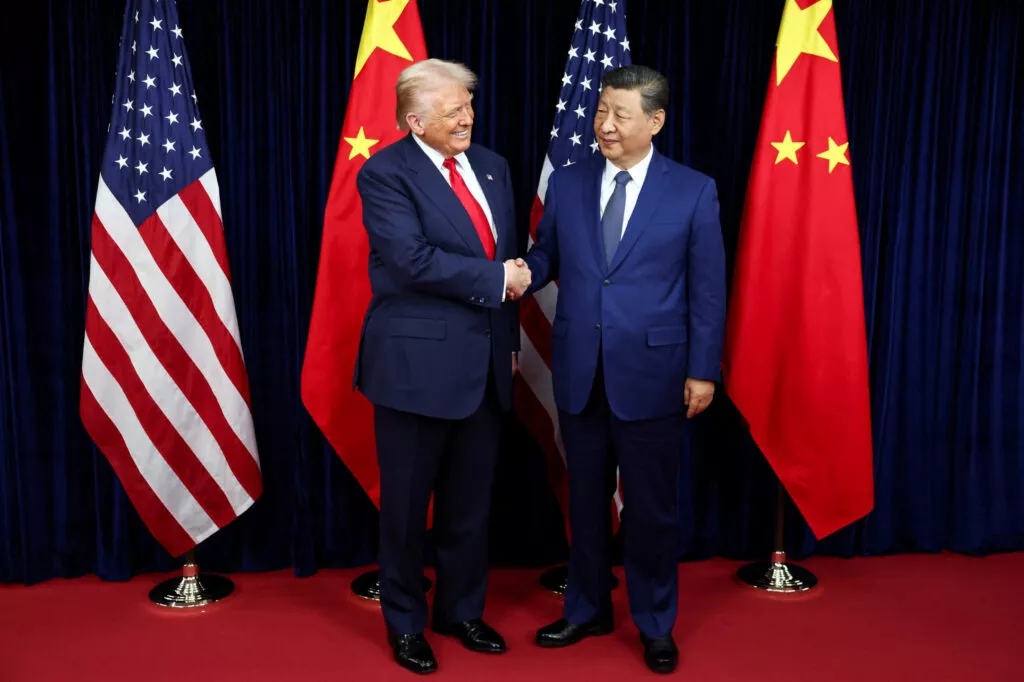
The shift in tone toward Beijing stands out in the new strategy document. Although China is described as the most powerful state the United States has confronted since the 19th century, it is now accepted as an “established power” in the Indo-Pacific. The Pentagon’s new objective is not to crush China, but to establish a military balance that prevents it from achieving dominance over the United States and its allies. Emphasizing that a “reasonable peace acceptable to China” is possible, the document prioritizes deterrence over conflict.
Western Hemisphere Priority: Greenland, Panama, and the Gulf
The Pentagon’s new roadmap indicates that the U.S. military will concentrate its primary energy on its own geography. Under the strategy, the United States will no longer abandon key regions in the Western Hemisphere; strategic locations such as Greenland, the Gulf of America, and the Panama Canal will be prioritized in terms of military and commercial access. From the Arctic to South America, the Pentagon will focus on developing “credible options” to guarantee U.S. sovereignty along this axis.
Europe and NATO: Limited Support and Allied Responsibility
Although Europe retains its strategic importance, it has fallen to a secondary position in the United States’ global priority ranking. NATO will continue to serve as the cornerstone of European security, but the United States will no longer manage every conflict on its own. While Washington declares it will provide “critical but limited” support to its allies, it stresses that NATO members must increase defense spending, strengthen their own military capabilities, and assume operational leadership.
Ukraine and Russia: The Ball Is Now in Europe’s Court
The issue of Ukraine’s defense undergoes a radical shift in the new strategy. The Pentagon defines the achievement of peace in Ukraine as “primarily Europe’s responsibility.” Russia is described as a “persistent but manageable threat” to NATO’s eastern flank, while it is stated that Moscow lacks the capacity to establish dominance over the European continent. The document notes that Germany’s economy alone overshadows Russia’s, underscoring Europe’s potential to ensure its own security.
Korean Peninsula: South Korea as the Primary Deterrent Force
South Korea is positioned as the “primary responsible actor” and the main deterrent against North Korea. While the existing presence of 28,500 U.S. troops in the region is deemed sufficient for strategic deterrence, the Pentagon states that U.S. support will remain limited and that the main burden of defense should be borne by South Korea’s own armed forces.
Source: C4Defence