











The latest report added to ResearchAndMarkets.com’s product portfolio reveals the striking increase in defense spending by Latvia, one of the critical actors in the Baltic region. According to the report titled “Latvia Defense Market 2025–2030,” the country’s defense budget is estimated to rise from $1.7 billion in 2025 to $2.9 billion by 2030.

Geopolitical Dynamics and Budget Increase
Latvia’s defense expenditures are shaped by the unique geopolitical conditions faced by a former Soviet state that shares a border with the Russian Federation. Growing security concerns following the invasion of Georgia in 2008 and the annexation of Crimea in 2014 turned into a historic investment process with the full-scale invasion of Ukraine in 2022. In this context, spending, which stood at $0.9 billion in 2022, increased to $1.5 billion as of 2024. During the 2026–2030 period, expenditures are expected to continue their upward trend with a compound annual growth rate (CAGR) of 4.6%.
Critical Procurement Programs and Modernization Activities
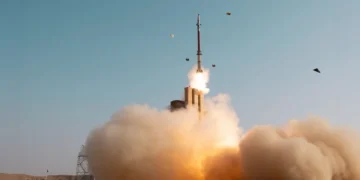
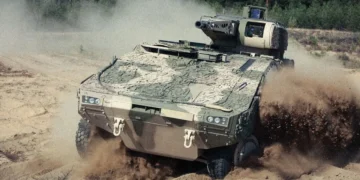
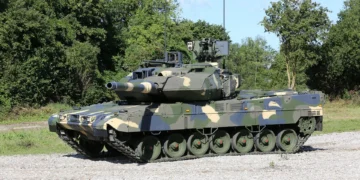
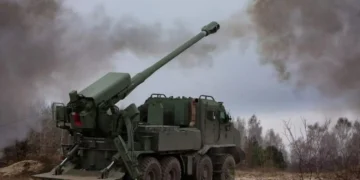
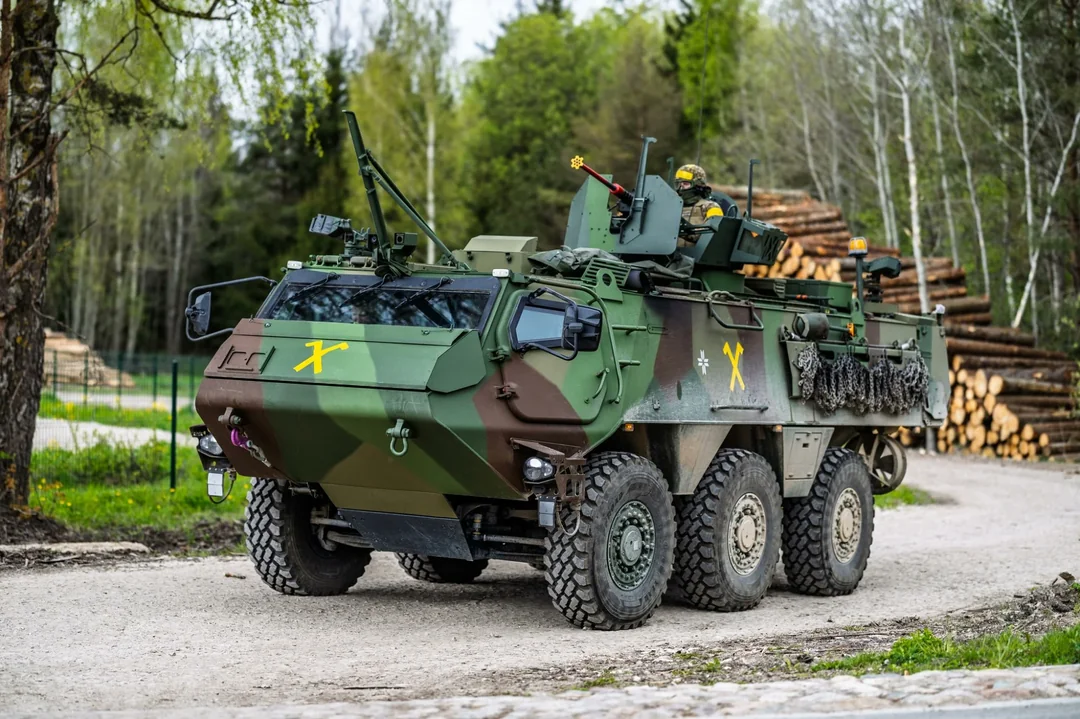
Although the overall size of the Latvian armed forces is small, the procurement projects being carried out are noteworthy in terms of scope and technological sophistication. In line with its modernization objectives, the country is implementing an intensive acquisition schedule focused on armored vehicles, tactical trucks, missile defense systems, and helicopter platforms. Key programs highlighted in this process include IRIS-T SLM air defense missile systems, ASCOD infantry fighting vehicles, and the Common Armoured Vehicle System (CAVS) developed jointly with Patria.
NATO Integration and Infrastructure Investments
The increasing presence of NATO personnel in the country has also led to higher spending on military facilities and logistics infrastructure. While allocating significant resources to infrastructure projects in order to better host allied forces, these investments constitute an important item within the defense budget. The report also provides a detailed analysis of military doctrine, market entry strategies, regulations, and import–export dynamics between 2016 and 2024.
Source: C4Defence / ResearchAndMarkets.com