





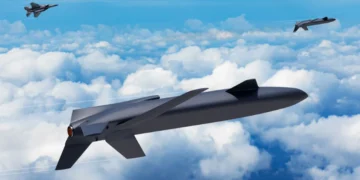



















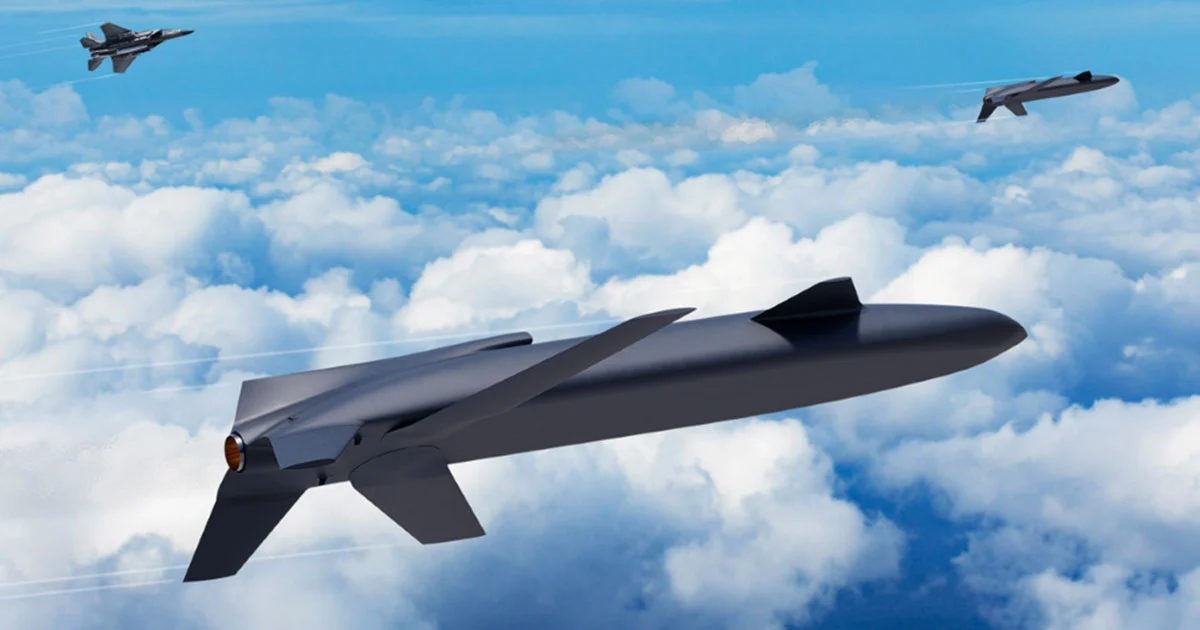
The unmanned air superiority system LongShot, developed in partnership between the U.S. Defense Advanced Research Projects Agency (DARPA) and General Atomics Aeronautical Systems, Inc. (GA-ASI), has been officially designated by the U.S. Air Force under the experimental aircraft series name X-68A. The announcement made by GA-ASI on February 17, 2026, represents a critical milestone in the program’s transition from the prototype phase to its formal journey into the military inventory.

A New Doctrine in Air Combat
The LongShot concept aims to fundamentally transform air combat as an autonomous platform capable of being launched from larger host aircraft and carrying its own air-to-air missiles. This approach enhances pilot safety by allowing traditional manned fighter aircraft to remain outside enemy air defense range, while significantly expanding mission effectiveness and engagement range.
Technical Process and Testing Phases
As part of the development activities led by DARPA, wind tunnel tests and key program milestones have been successfully completed for the X-68A, which has been designed with an operational flexibility-focused architecture. Featuring a platform-independent structure, the system can be integrated with various host platforms, including fighter jets, bombers, and large transport aircraft. The X-68A can be air-dropped from transport aircraft via palletized launch systems. The next critical phase will be the flight test campaign planned to begin at the end of 2026. During these tests, the objectives include demonstrating the platform’s safe separation from an F-15 Eagle aircraft, maintaining flight stability, and successfully releasing its encapsulated sub-munitions over the target area.
GA-ASI’s Second X-Plane
The X-68A marks General Atomics’ second “X-plane” following the XQ-67A Off Board Sensing Station (OBSS). GA-ASI President David R. Alexander expressed pride in the program’s success, stating that the X-68A is part of a broad transformation supporting modern warfare concepts through its long-range strike capability, integrated autonomy, and advanced sensing capabilities.
Defense-Related News on the Topic
Source: C4Defence– GA-ASI