
















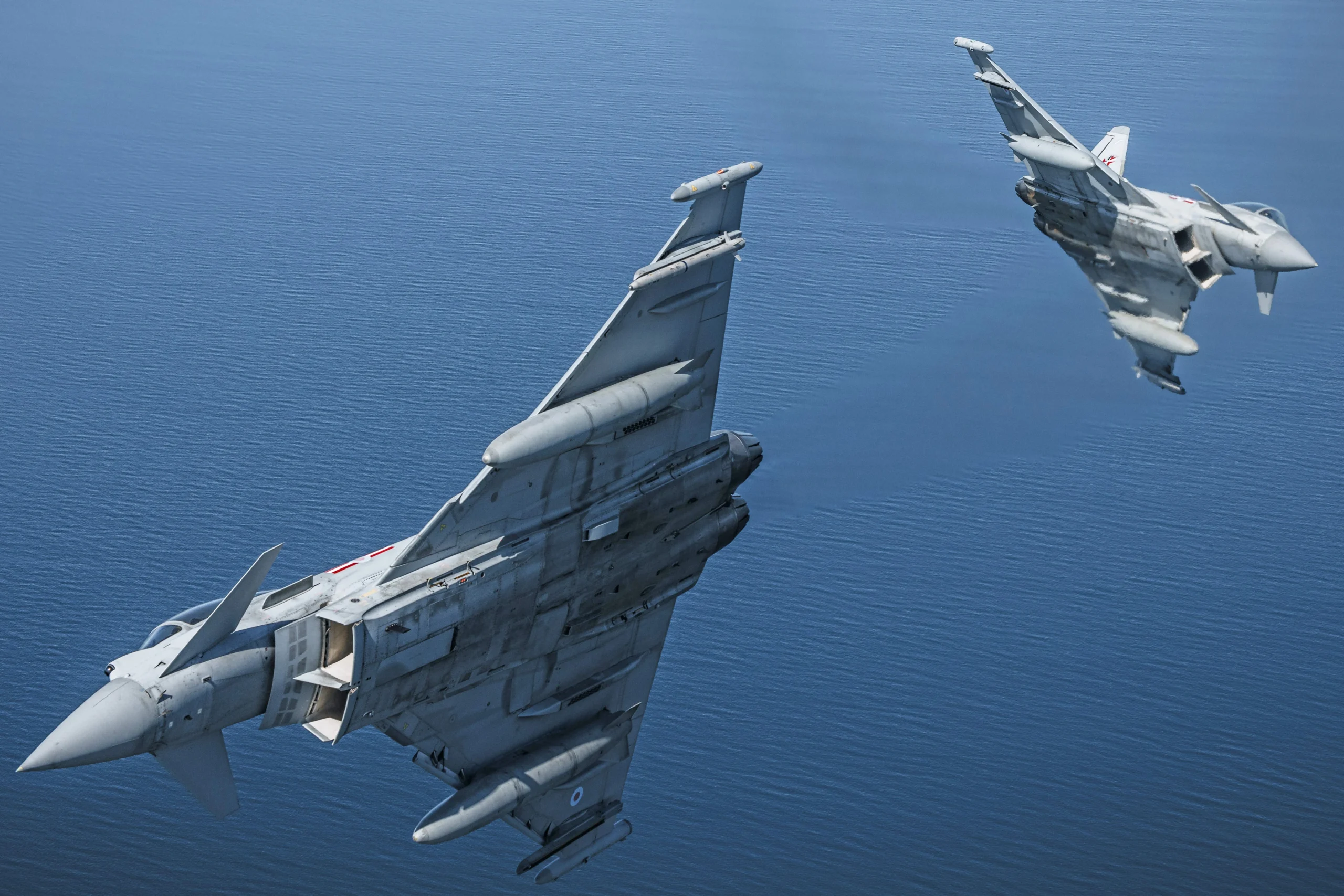
The United Kingdom reached the highest defense export figure of the past 40 years in 2025, with defense contracts exceeding £20 billion signed with its allies. Sales of Typhoon fighter jets and C-130 aircraft to Türkiye played a critical role in this record-level increase.

The United Kingdom’s defense industry is experiencing its most productive period since records began being kept in 1983. Data for 2025, described as the peak of an approximately 40-year period, prove that the defense sector has become a strategic engine of growth for the national economy.
Major Aviation Cooperation with Türkiye
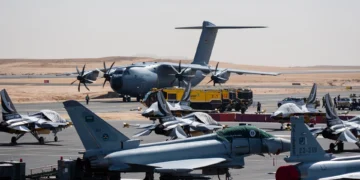
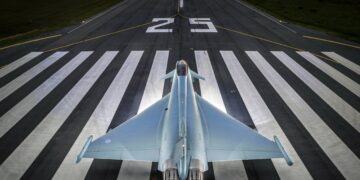
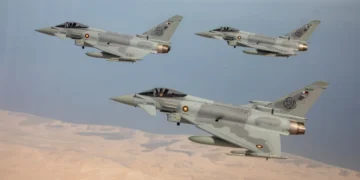
Aviation projects carried out with Türkiye held strategic weight in the United Kingdom’s export success in 2025. Within this framework, the sale of 20 Typhoon fighter jets to Türkiye alone provided a massive contribution of £8 billion to the UK economy, while also ensuring the continuity of more than 20,000 highly skilled jobs. This cooperation in the aviation field was not limited to fighter aircraft; the sale of 12 C-130 transport aircraft to Türkiye, valued at approximately £550 million, also secured 1,400 skilled jobs in the Cambridge region. These moves not only supported the United Kingdom’s goal of promoting economic growth through its defense industry, but also reinforced its commitment to strengthening collective security on NATO’s southern flank.
Historic Contract in Naval Systems: Type 26
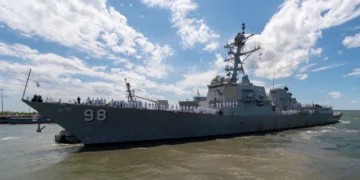
In addition to success in the aviation sector, a £10 billion agreement signed with Norway in naval systems, covering the export of at least five Type 26 frigates, went on record as the largest warship export contract in United Kingdom history. This project alone supports 4,000 jobs and more than 430 subcontractor companies. Furthermore, with the Lunna House agreement signed between the United Kingdom and Norway, it is aimed to increase operational cooperation between the Royal Navy and the Royal Norwegian Navy in the North Atlantic.
Strategic Objectives and the 2026 Vision
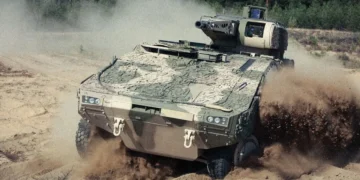
Minister for Defence Readiness and Industry Luke Pollard stated that these achievements have strategically strengthened both NATO’s southern and northern flanks, emphasizing that defense exports have been turned into a core engine of economic growth for the country. In future projections, the new AUKUS agreement with Australia—carrying an export potential of £20 billion—holds a critical place, while for 2026 the focus is aimed at new markets through Boxer armored vehicles, advanced air platforms, and unmanned systems. To support this growth strategy, the United Kingdom has joined the Defence Export Controls Agreement with France, Germany, and Spain to streamline operational processes. In addition, through the National Armaments Director Group established within the Ministry of Defence and new international cooperation teams, it is aimed to reinforce leadership in the global market as part of the largest reform program of the past 50 years.
Source: C4Defence / Gov. UK