















Russia has set a strategic modernization schedule in its defense industry for 2026. From the fifth-generation Su-75 Checkmate to the Khabarovsk nuclear submarine, the carrier of the “Poseidon” system, many critical platforms are expected to complete their testing processes within the year and enter operational service.

In line with Russia’s goals to enhance its military-technical capacity, 2026 is marked as a period in which many strategic projects—primarily nuclear deterrence and autonomous systems—will move into their final phase. According to information cited by the newspaper Izvestia, based on military sources, the Russian armed forces are planning a simultaneous transformation next year in aviation, submarine technologies, and strategic missile systems.
Su-75 Checkmate: The Fifth-Generation Objective in the Skies
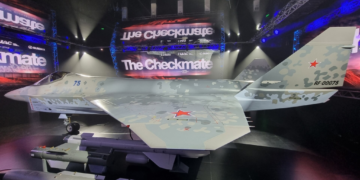
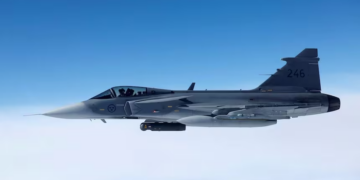
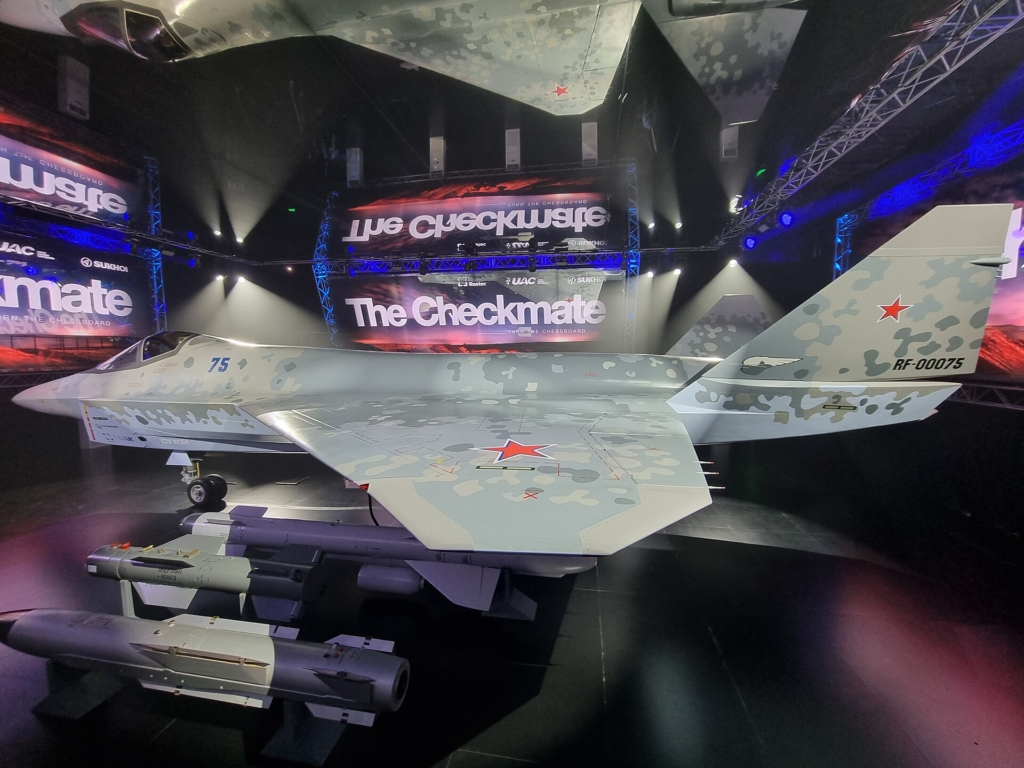
For the Su-75 Checkmate, Russia’s single-engine, supersonic fifth-generation fighter aircraft project, 2026 has been designated as the critical date for the first test flight. First unveiled in 2021, the aircraft is expected to transition from the prototype stage to flight testing. Designed with a low radar signature and high maneuverability, the aircraft is intended to replace the MiG-29 fleet in the inventory of the Russian Aerospace Forces, while also being positioned as a strategic export alternative to modern F-16 variants in the global market.
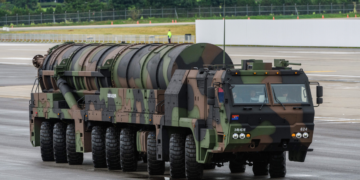
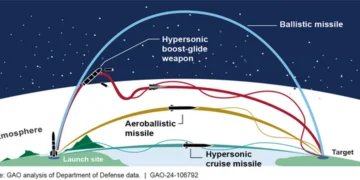
While aviation tests of the aircraft continue, a significant change is also taking place in Russia’s nuclear deterrence capacity. Within the 2026 timeline, the heavy-class, liquid-fuel intercontinental ballistic missile (ICBM) Sarmat is expected to complete its flight test program and enter service. In addition to conventional warheads, Sarmat will be capable of carrying hypersonic glide vehicles, making it the new flagship of the strategic missile forces. In addition, new-generation solid-fuel missile systems, which will replace the Topol-M missiles and be equipped with second-generation controlled hypersonic payloads, are planned to be incorporated into the operational process during this period.
The Khabarovsk Submarine and the Poseidon Doctrine
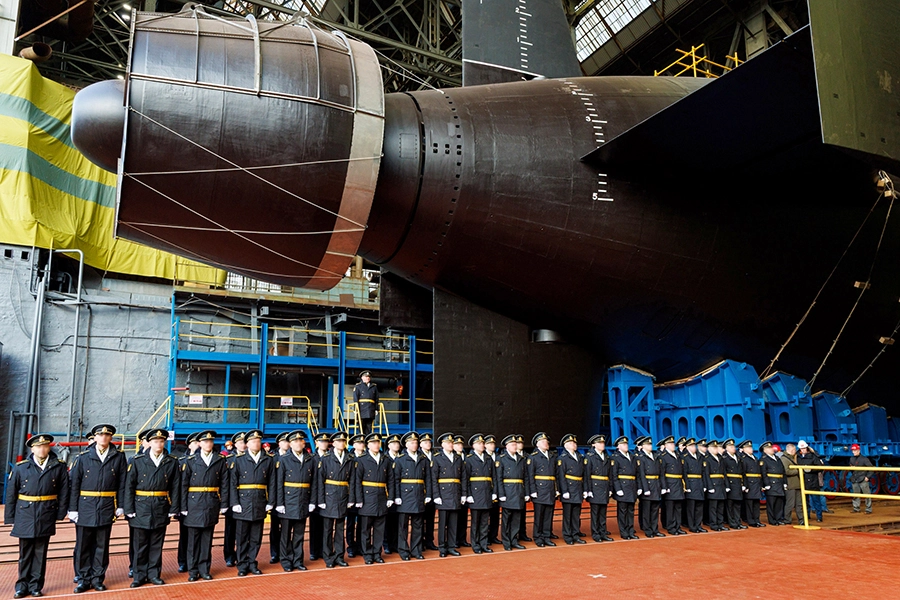
/ Photo: Russian Ministry of Defense
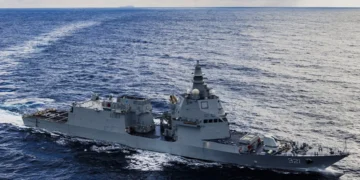
On the naval side, the Khabarovsk nuclear submarine, developed under Project 09851, is expected to begin sea trials in 2026. This special platform, whose construction is ongoing at the Sevmash shipyard in Severodvinsk, will serve as the primary standard carrier of the nuclear-powered autonomous underwater vehicle Poseidon. Benefiting from the high-stealth technologies of the Borey-A class strategic submarines in its design, Khabarovsk is planned to house six Poseidon launch systems in its forward section.
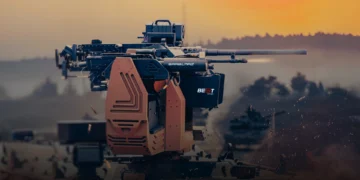
In addition to strategic submarines, the navy’s hypersonic strike capability is also being strengthened. In 2026, the delivery to the navy of the K-572 Perm submarine—the first serial-production carrier capable of launching Tsirkon missiles from underwater—is targeted. Meanwhile, in response to technological changes on the battlefield, the widespread deployment at unit level of AI-supported FPV interceptor drones and autonomous ground robots within the same schedule is seen as part of Russia’s force-structure plan for “Unmanned Systems.”
Source: C4Defence / Izvestia