

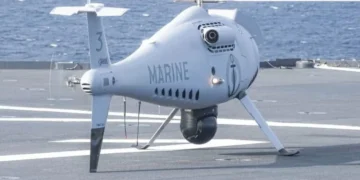

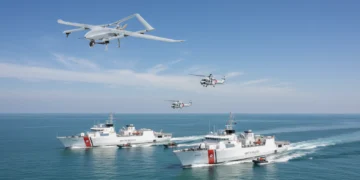
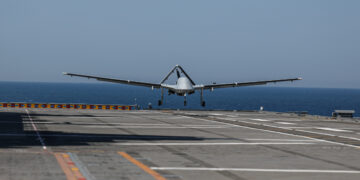














NATO is accelerating efforts to expand the use of unmanned systems in the Baltic Sea. Alliance officials stated that the deployment of a large drone fleet in 2025 would be a significant proof of concept for rapidly fielding commercially available technology to protect critical undersea infrastructure.

The next phase of this effort will be formed by a new initiative called Task Force X Baltic. The program, which will be formalized through a letter of intent to be signed by eight allied countries—Denmark, Estonia, Finland, Germany, Latvia, Lithuania, Poland, and Sweden—represents a transition from innovation testing to real operational support. Speaking at NATO Headquarters in Brussels, the Director of Defence Industry, Innovation and Weapon Systems, Nikolaos Loutas, stated that this initiative is a direct part of the goal to accelerate technology integration following the 2025 Summit.
Baltic Sentry Operation and Deployment Process
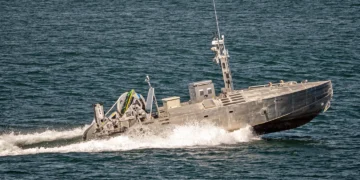
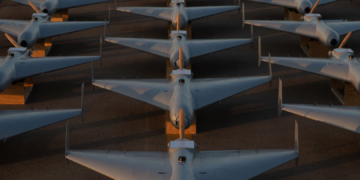
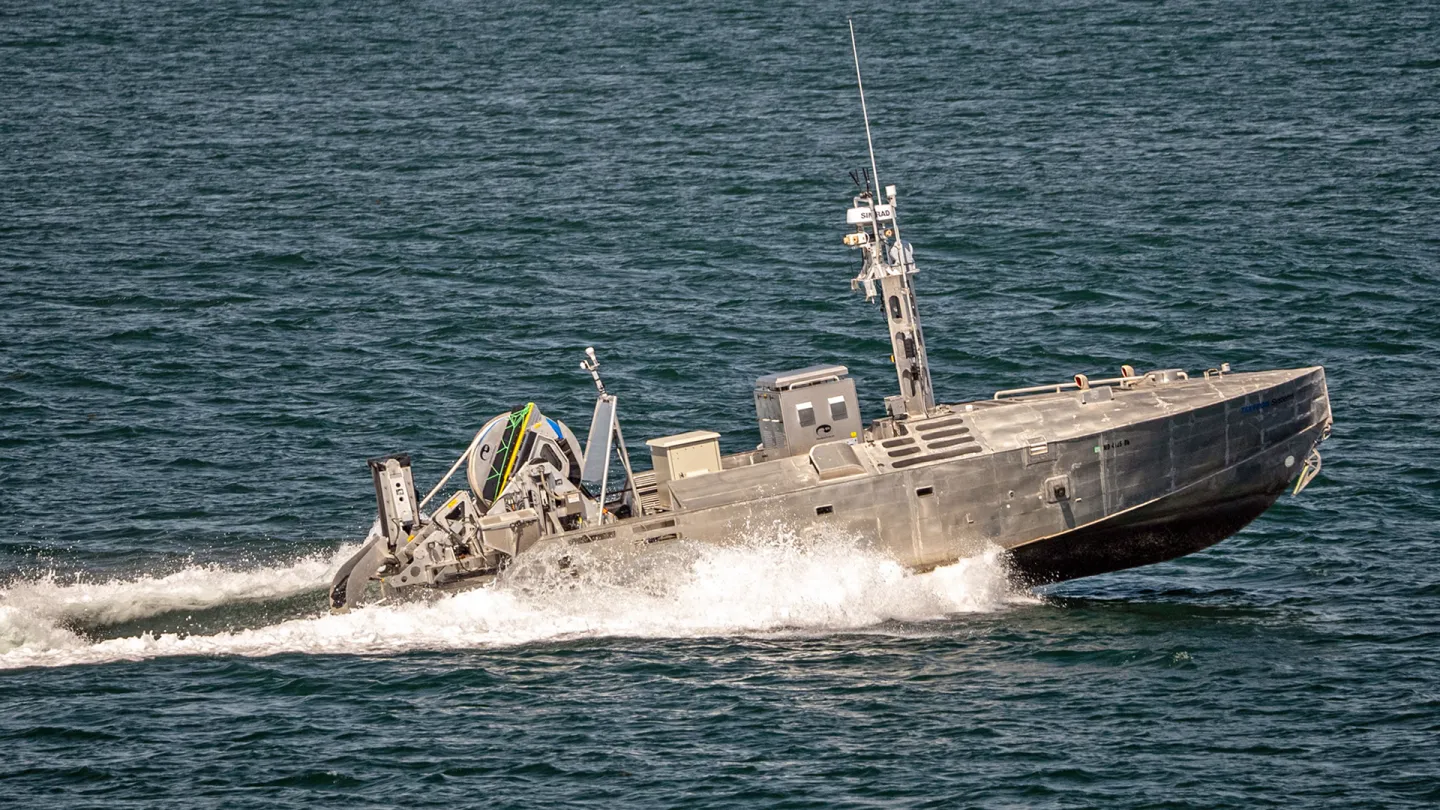
According to reporting by UK Defence Journal, Alliance officials describe the deployment of a large drone fleet in 2025 as an “important proof of concept” for rapidly employing existing market technologies to protect critical undersea infrastructure. This operation aims to demonstrate that innovative technologies can be quickly integrated with and deployed alongside traditional military systems. Officials noted that, in this initial trial, commercially available unmanned platforms were used to provide continuous intelligence, surveillance, and reconnaissance from underwater to space. NATO commanders reported that they were able to deploy the first two unmanned systems within just one month and made nearly 50 platforms operational during that period. If each of the eight volunteer nations provides approximately 20 platforms, the goal is to create a massive fleet of nearly 100 unmanned systems monitoring the region.
Digital Ocean Vision and Operational Capability
NATO emphasizes that this initiative will directly contribute to the Digital Ocean vision. The eight participating nations are formalizing cooperation to develop multi-domain capabilities and fully integrate these unmanned systems into maritime operations. Reporting also notes that this next-generation fleet will not be limited solely to surveillance missions; thanks to the modular design of the platforms, they can be adapted for strike or intervention roles when required.
Source: C4Defence– UK Defence Journal