












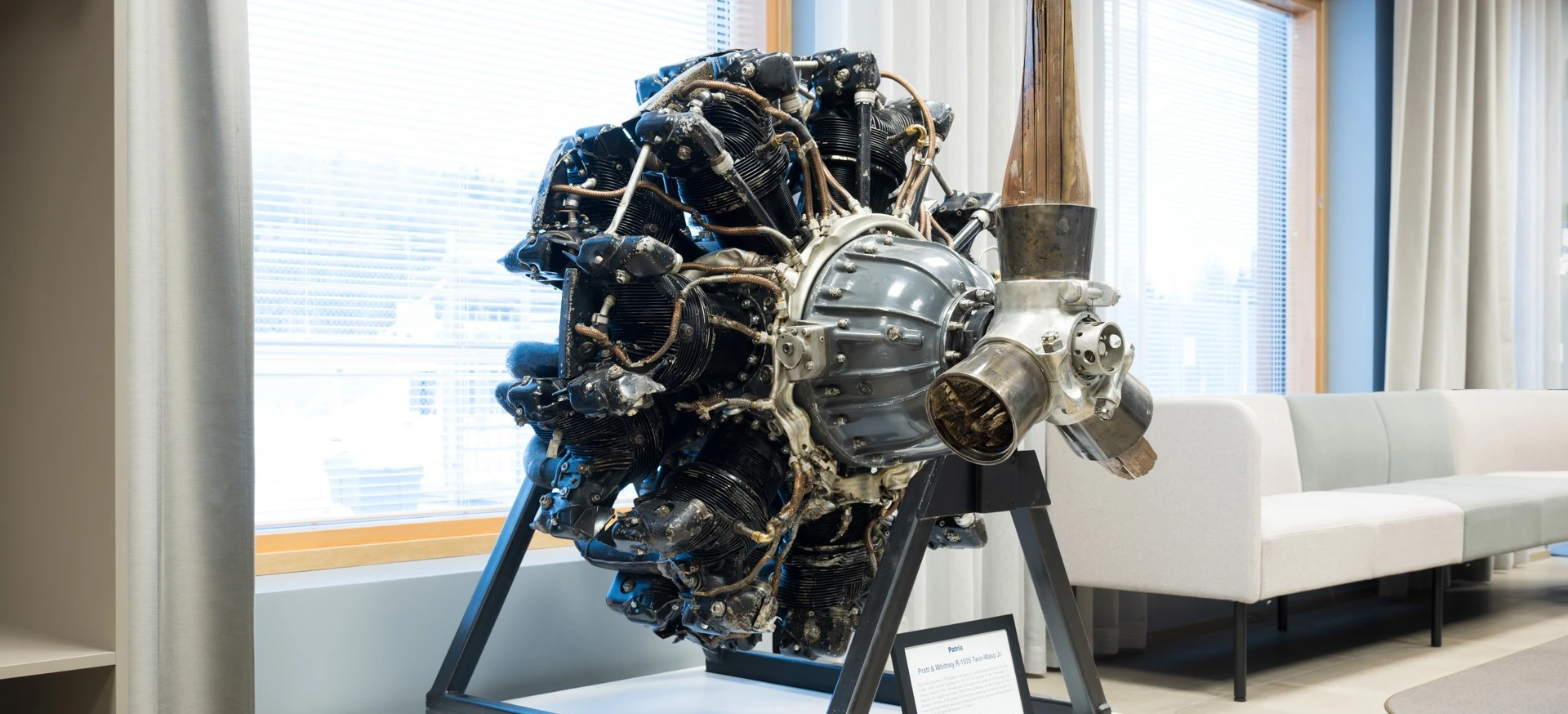
Finland’s defense industry company Patria has brought together a historic legacy with the future’s “stealth” technology at its Linnavuori facilities. A rare aircraft engine that remained underwater for 85 years has begun to be displayed simultaneously with the official opening of the newly established F-35 engine maintenance center.

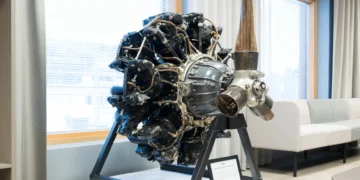
The Finnish aviation industry is witnessing a strategic period in Linnavuori that unites the past and the future. The Pratt & Whitney R-1535 Twin Wasp Jr engine, which belonged to a Fokker fighter aircraft that crashed into Lake Haukkajärvi in 1941 and was restored as a result of three years of work, has been put on display at the entrance of Patria’s engine maintenance facilities.
Historical Heritage: Restoration After 85 Years
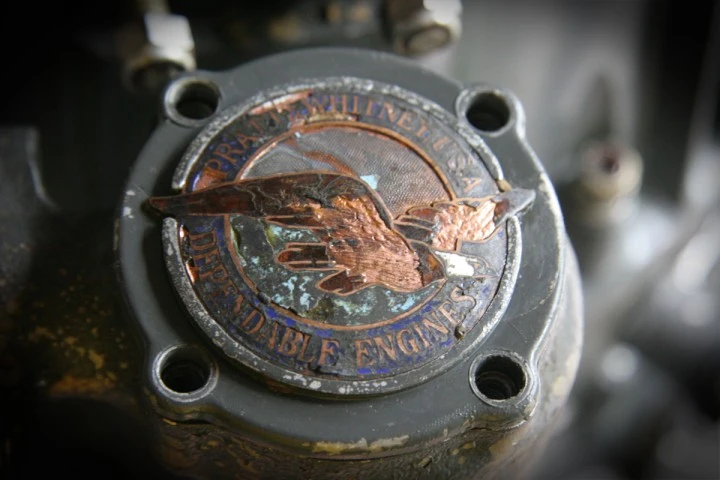
The engine in question belonged to a platform produced by the State Aircraft Factory (Valtion Lentokonetehdas), the predecessor of Patria. With an operation carried out in 2025, the engine was recovered from the lakebed at a depth of 7 meters, and it was observed that it had preserved its structural integrity despite the 85 years that had passed. This component, whose technical conservation has been completed, is considered one of the rare examples of aviation history, as only a few units remain worldwide.
Strategic Maintenance Center for F135 Engines
The exhibition of this historic component was combined with the official opening ceremony of the F-35 Engine Maintenance Facility, a critical point in Finland’s defense capacity. According to details published in Patria Magazine, the following activities will be carried out at this new center, which was established in coordination with Pratt & Whitney:
- Life Cycle Support: The final assembly and full life-cycle maintenance of the F135-PW-100 engines of the F-35A aircraft that will enter the inventory of the Finnish Air Force will be carried out at this facility.
- Strategic Capability: While increasing Finland’s competence in advanced fighter aircraft engine technologies, the facility will strengthen Patria’s position within the global maintenance, repair, and overhaul (MRO) network.
The Complete Cycle of History
The Linnavuori facility is carrying the engine maintenance tradition that has continued since its establishment in 1943 to the most advanced point of aviation technology with next-generation F135 engines. This process, extending from the engine technologies of the 1940s to today’s low-observable (stealth) engine systems, is described by the organization as a “complete cycle” of aviation history.
Source: C4Defence / Patria