





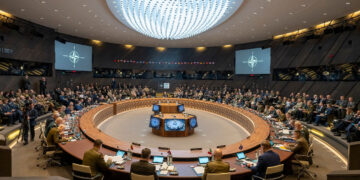













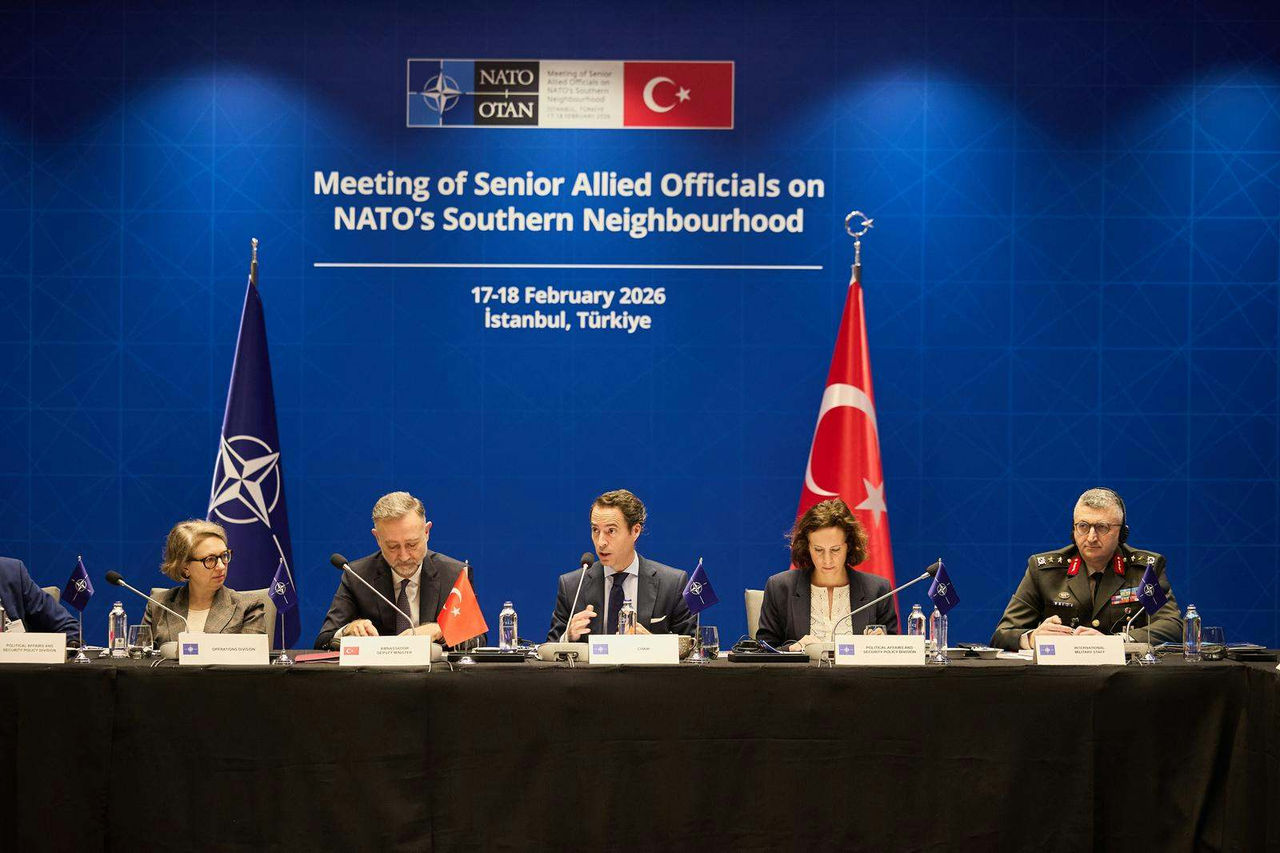
A critical summit addressing NATO’s Southern Neighbourhood policies and regional security architecture was held in Istanbul. At the high-level meeting, attended by Special Representative Javier Colomina and Turkish diplomats, the message of “capacity building” against asymmetric threats in the Middle East and the Sahel region came to the forefront.

NATO Secretary General’s Special Representative for the Southern Neighbourhood, Javier Colomina, brought together senior officials from Allied countries in Istanbul on February 18, 2026. Hosted by the Ministry of Foreign Affairs of the Republic of Türkiye and attended by Deputy Foreign Minister Ambassador Z. Levent Gümrükçü, the strategic coordination meeting comprehensively addressed the defense and security dynamics on the Alliance’s southern flank.
Washington Summit and the Southern Neighbourhood Action Plan
During the meeting, the implementation phases and on-the-ground implications of the Southern Neighbourhood Action Plan adopted at the 2024 Washington Summit were evaluated. Javier Colomina emphasized that the Istanbul gathering represented a concrete step in NATO’s determination to establish more proactive, results-oriented, and in-depth engagement with its southern partners. Noting that the Southern Neighbourhood remains one of the cornerstones of NATO’s “360-Degree Security” approach, Colomina drew attention to the progress achieved in deepening political dialogue and expanding practical cooperation across the region.
Strategic Threat Matrix: Terrorism and Geostrategic Competition
The main focus of the discussions centered on current developments in the Middle East, North Africa, and the Sahel belt, as well as the direct impact of these instabilities on Allied security. Officials elaborated on the asymmetric threats shaping the regional security environment and counterterrorism strategies. In particular, the hybrid threat capabilities of radical elements and the influence efforts of geostrategic competitors in the region (such as actors like Russia and China) and their pressure on NATO’s southern flank were examined closely. In this context, disinformation activities and risks to energy corridors were identified as priority threat factors for collective security.
Strengthening Defense Capacity (DCB)
At the conclusion of the meeting, Allies agreed that processes aimed at modernizing the defense institutions of regional countries and building capacity in line with NATO standards (Defense Capacity Building – DCB) must continue uninterrupted. In order to more effectively address shared security challenges, it is envisaged that projects carried out with partners under the Mediterranean Dialogue and the Istanbul Cooperation Initiative will be enhanced at the technical level.
Source: C4Defence / NATO