













The Taiwanese government has shared the list of systems to be procured under the special defense budget totaling 1.25 trillion New Taiwan Dollars (approximately 39.6 billion US dollars), in line with the opposition’s demands for transparency.

The Taiwanese Ministry of National Defense presented technical details of the eight-year special defense budget draft covering the years 2026–2033 to the public. In the statement made to lift the budget blockage imposed by the opposition parties KMT and TPP in parliament, the quantities of systems to be procured and strategic focus areas were brought together for the first time within this framework.tesini paylaştı.
US-Origin Systems and Procurement Details
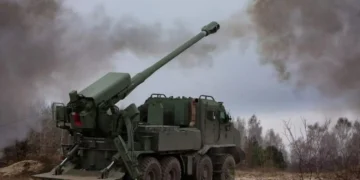
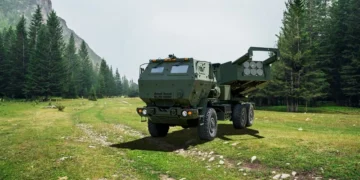
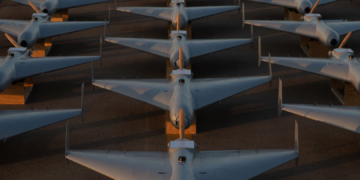
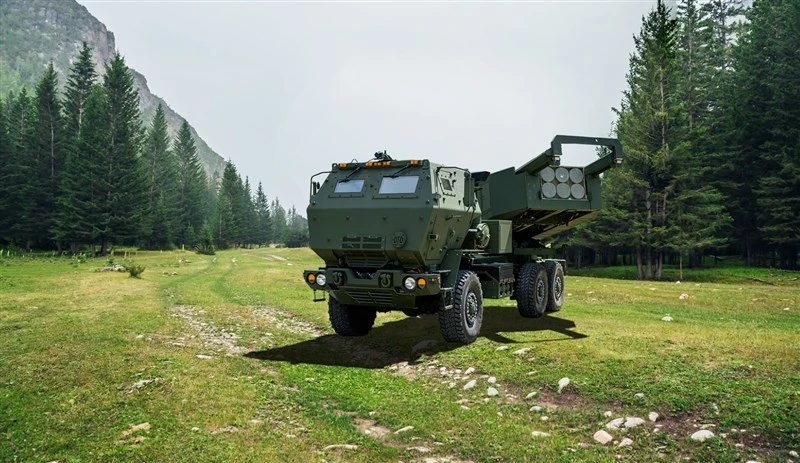
According to reports by Focus Taiwan based on data from the Ministry of National Defense, approximately 76% of the special budget has been confirmed to be allocated to US-origin weapons systems. Major items in the procurement plan include 82 High Mobility Artillery Rocket System (HIMARS) launchers, 1,203 precision rocket pods for these systems, and 420 tactical missiles. While the acquisition of 60 M109A7 self-propelled howitzers is planned for the modernization of artillery units, 70 Javelin launchers (with 1,050 missiles) and 24 TOW-2B systems (with 1,545 missiles) will be added to the inventory to enhance anti-armor capability. In addition, to address drone threats and asymmetric warfare requirements, the procurement of 1,554 Altius-700M and 478 Altius-600ISR systems is envisaged.
Domestic Production and Technological Priorities
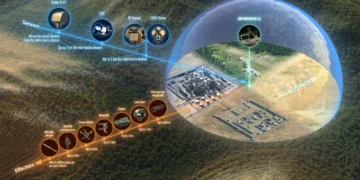
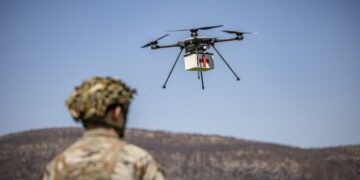
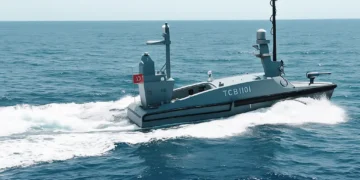
The remaining portion of the budget focuses on increasing Taiwan’s domestic defense industry capacity and integrating advanced technologies. Within this scope, it is aimed to domestically produce or procure more than 200,000 unmanned aerial vehicles (UAVs) of various types and more than 1,000 unmanned surface vehicles for island defense. Strategic priorities also include the development of artificial intelligence–supported C5ISR (Command, Control, Communications, Computers, Intelligence, Surveillance, and Reconnaissance) capabilities and the expansion of industrial infrastructure to ensure continuity of ammunition production in the event of a possible conflict.
Legislative Process and Political Situation
The budget proposal submitted to the Legislative Yuan at the end of 2025 had been put on hold due to opposition parties’ criticisms regarding a lack of transparency. TPP Chairman Huang Kuo-chang stated that the process has become clearer following the latest briefing meetings, while noting that the opposition is preparing an alternative proposal containing its own regulations. The Ministry of National Defense stated that new packages to be approved by the US Defense Security Cooperation Agency (DSCA) may be added to the list in the coming period.
Source: C4Defence / Focus Taiwan