









As European armies reinvest in tanks to counter the changing dynamics shaped by the drone threat in the war in Ukraine, a French analyst issues a critical warning about the risk of a lasting decline in Paris’s heavy armored capability after the Leclerc.

The latest study prepared by Léo Péria-Peigné at the French Institute of International Relations (L’Ifri) examines the future of main battle tanks and the balance of power within the European defense industry. The report highlights the drone threat against tanks and the need for adaptation revealed by the war in Ukraine, while drawing particular attention to the critical risk of deterioration in France’s heavy armored capacity.
5,000 Tank Losses in Ukraine: The True Face of the Drone Threat
Since February 2022, Russian and Ukrainian forces have lost more than 5,000 battle tanks. This figure exceeds the entire existing European tank fleet. Tanks, a core element of Soviet doctrine, have become a major target for the growing number of UAVs (drones).
Analyst Péria-Peigné notes that the frequent media coverage of drone strikes has led to the conclusion that tanks are “obsolete” in the modern battlespace. However, the report emphasizes that this view should be moderated when losses are examined in more detail:
• Multi-Threat Environment: Drone strikes are rarely the primary cause of tank losses; most losses occur through a combination of factors such as mines, artillery fire, or other anti-tank systems.
• The Drone’s Role: Drones are often used to completely destroy immobilized or abandoned armored vehicles to prevent their recovery.
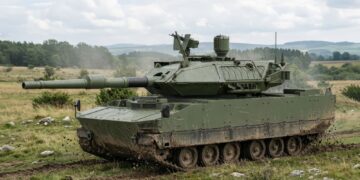
Despite the increasing transparency of the battlefield, tanks continue to be used to provide fire support to infantry and conduct engagements beyond the direct line of sight. These adaptations, along with tactical innovations such as anti-drone cages, have helped reduce tank losses.
Europe Reinvests in Tanks: German and Korean Industry on the Rise
A decade ago, many European armies reduced their tank numbers or abandoned tanks altogether. Today, as tanks remain an indispensable component of combined-arms warfare, Europe has entered a large-scale reinvestment cycle. Most European countries are launching new tank procurement programs or modernizing existing fleets.
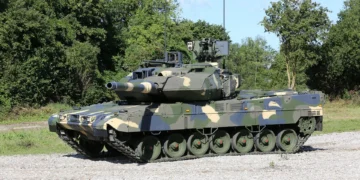
This revival particularly benefits German industry, which fields the most widely used modern tank in Europe, the Leopard 2. Since historic European manufacturers (the United Kingdom, Italy, France) have halted tank production, Germany’s near-monopoly position has allowed non-European actors such as South Korea and the United States to win contracts in the continental market.
Global competition for next-generation tanks is also expected to unfold mainly between German and South Korean industries.
France’s Armored Dead-End: New Tanks Not Before 2045
France currently remains outside this European dynamic of rebuilding heavy armored forces. Modernization of the national tank fleet is limited, and no increase in the number of tanks in service is planned.
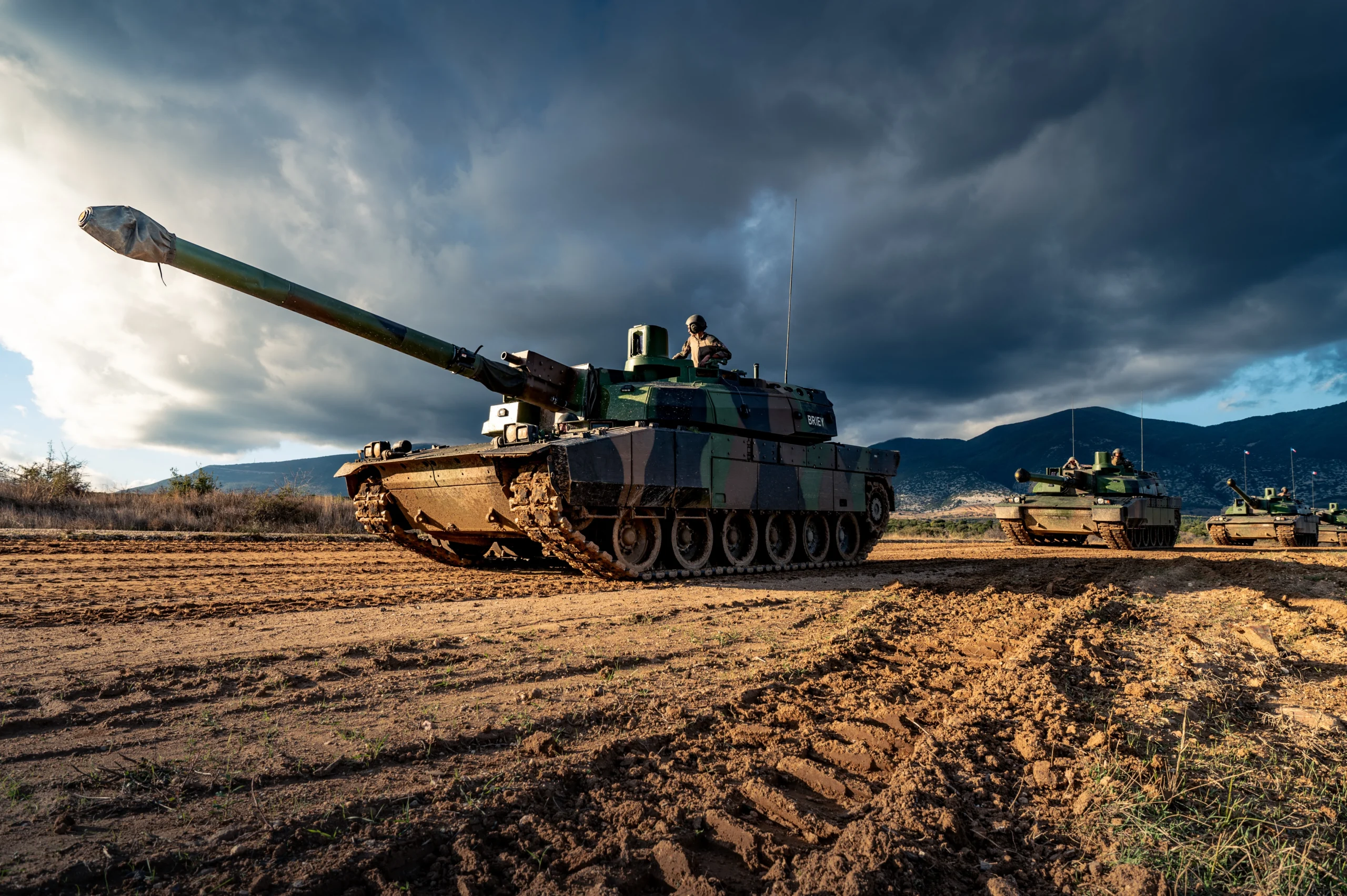
Production of the Leclerc tank was halted more than fifteen years ago and appears impossible to restart. Under the best possible scenario, next-generation tanks that will replace the Leclerc will not enter service before 2045.
This situation increases the risk that France may face a potential gap in armored capability. The Franco-German cooperation program (MGCS) remains challenging due to industrial imbalances and differing military requirements between the two armies. Berlin’s financial and technical ability to independently develop a solution further pressures France to seek alternatives.
Risk of Reputational Loss
The analysis concludes that the early-2000s idea of the French Army moving away from tanks has lost relevance. Although alternatives to Franco-German cooperation are limited, France still has the potential to develop an interim national solution, in addition to off-the-shelf procurement options. The report emphasizes that France must restore its heavy armored component to support its ambition to lead a corps within the Atlantic Alliance starting from 2030.
It warns that even if France cannot match Polish or German plans aiming for over a thousand tanks, it must take part more decisively in Europe’s ongoing rearmament dynamic—otherwise, a lasting loss of credibility will be inevitable.
Source: C4Defence / L’Ifri